10 Best Diaper Bags for Travel and Everyday Use
A good Diaper Bag needs to work beyond the nursery. It may hold spare clothes, wipes, bottles, snacks, and a changing pad during a long day out. On a trip, the same bag must fit comfortably under a seat or stay easy to reach in a crowded station. These demands can make choosing one feel surprisingly personal.
This guide to the 10 best diaper bags for travel and everyday use focuses on practical details: storage layout, access, carrying comfort, materials, and ease of cleaning. A wide opening can make it easier to find a clean onesie, while insulated pockets may help separate bottles from other essentials. Small details matter. Strap padding, bag weight, and attachment points can also shape how a bag feels after hours of carrying it. Features vary, and no single design suits every family. A roomy backpack may be useful for travel, while a compact tote could feel less cumbersome on short errands. That changes everything. Or not quite: a well-organized bag still becomes frustrating when it is overpacked. The options ahead are considered with daily routines and travel scenarios in mind, so you can compare useful features without assuming the most expensive or spacious choice is automatically the best.
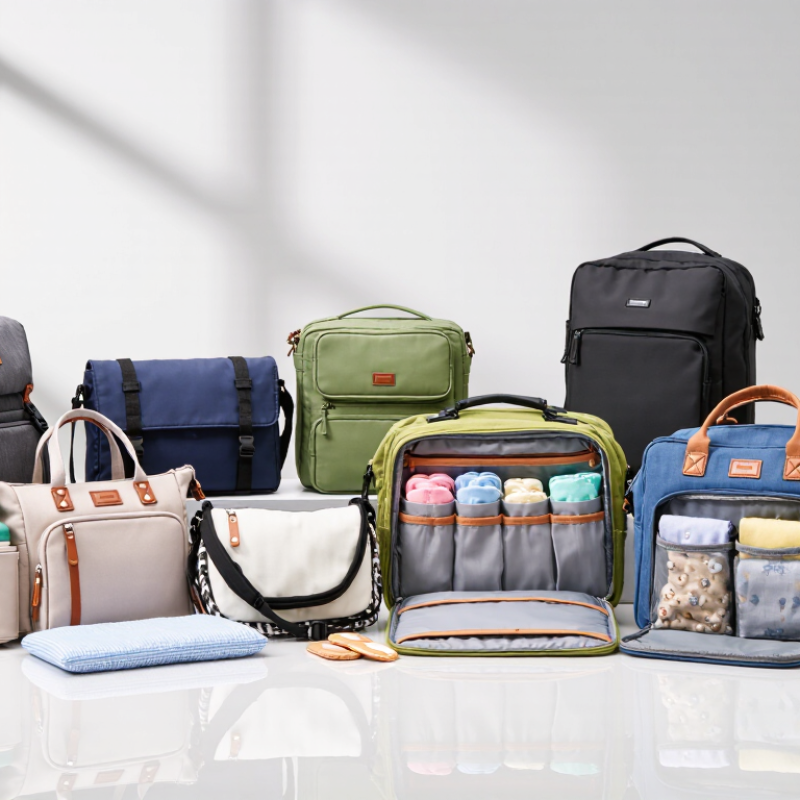
Key Features of a Diaper Bag for Travel and Everyday Use
A useful diaper bag should make essentials easy to reach, not simply offer more space. The CDC says newborns may breastfeed 8–12 times in 24 hours, so feeding items often need frequent access. Choose a wide-opening main compartment, plus a dedicated insulated pocket for bottles. A small, clearly separated pouch can hold wipes, creams, and spare pacifiers. Keep it simple.
For travel, look for a wipe-clean lining, a removable changing pad, and a separate wet-item pocket. These details help when a change happens in a cramped restroom or beside a parked car. The American Academy of Pediatrics’ HealthyChildren guidance recommends changing wet or soiled diapers promptly; a reachable diaper-and-wipe pocket makes that task less fiddly. Still, no layout works perfectly for every caregiver.
Comfort matters after the bag is packed. Padded backpack straps distribute weight across both shoulders, while a luggage sleeve can keep the bag steady on a rolling suitcase. Check that zippers open with one hand and that the bag stands upright when set down. A few pockets are helpful; too many can hide small items. Test the layout with your own diapers, bottle, and change of clothes before traveling.
Types of Diaper Bags and Their Practical Differences
Diaper bags differ less by appearance than by how they carry weight and organize daily essentials. A backpack spreads the load across both shoulders, which helps when you are carrying a child or folding a stroller. Its main drawback is access: you may need to take it off to reach wipes at the bottom. A tote opens wide and sits easily beside a car seat, but one shoulder can feel tired after a long walk. Small details matter. Check for a wipe pocket you can reach quickly and a base that stays upright.
Messenger bags keep essentials close and are easy to swing forward, though the strap may slide during a busy outing. Convertible bags offer more carrying options, but extra straps and clips can add bulk. A compact diaper bag suits short trips with a few diapers, a change of clothes, and a snack. For travel, a larger bag with separate compartments can keep clean clothes apart from used ones. Still, more pockets do not always mean better organization. I sometimes pack too much, then waste time searching through it.
Tips: Try the bag with a full water bottle and a few everyday items inside. Check whether you can open it with one hand. If you use a stroller, test the straps before relying on them; a bag that swings against the wheels gets annoying fast.
Ten Diaper Bags for Travel and Everyday Use
A useful diaper bag should work in a taxi, on a train, and beside the changing table. For travel, look for a wide opening, wipe-clean lining, and pockets that keep wipes and spare clothes easy to reach. A backpack style can leave both hands free, while a luggage sleeve helps on longer trips. Small matters. A bulky bag may hold more, but it can feel awkward in crowded aisles.
Capacity should match the trip, not just the bag’s advertised size. The American Academy of Pediatrics’ HealthyChildren.org diapering guidance notes that newborns may go through about 10–12 diapers a day. That makes a roomy main compartment useful for full-day outings, but daily errands rarely need the same load. A wet-item pouch and a secure pocket for keys can make packing simpler. Still, too many compartments can slow you down when a baby is fussy.
Tips: Pack one spare outfit, a few more diapers than the outing requires, and wipes where you can reach them quickly. Test the bag with your usual load before traveling. Straps that look sturdy in a product photo may dig into your shoulders when the bag is full. A little trial and error helps.
10 Best Diaper Bags for Travel and Everyday Use - Ten Diaper Bags for Travel and Everyday Use
Comparison of common diaper-bag styles. Capacity and empty-weight figures are typical estimates; actual measurements vary by design and materials. No specific brands or products are listed.
| Bag Style | Typical Capacity | Typical Empty Weight | Changing Pad | Best For | Main Trade-Off |
| Everyday Backpack | 18–25 L | 0.6–1.0 kg | Often included | Daily outings, hands-free carrying, and longer walks | Can feel bulky when only a few essentials are needed |
| Convertible Backpack Tote | 18–24 L | 0.7–1.2 kg | Often included | Parents who want backpack or shoulder-carry options | Extra straps and hardware can add weight |
| Structured Tote | 16–24 L | 0.7–1.3 kg | Sometimes included | Car trips, short errands, and quick access to contents | Usually less comfortable for hands-free, extended carrying |
| Compact Daypack | 12–18 L | 0.4–0.8 kg | Sometimes included | Short outings and parents who pack light | Limited room for spare clothing, toys, and larger items |
| Travel Backpack | 25–35 L | 0.8–1.5 kg | Often included | Full-day trips and carrying supplies for more than one child | May be oversized for routine errands |
| Expandable Backpack | 20–30 L | 0.8–1.4 kg | Often included | Trips when packing needs change during the day | Expanded compartments can make the bag feel less compact |
| Messenger-Style Bag | 14–22 L | 0.5–1.0 kg | Sometimes included | Fast access to diapers, wipes, and small essentials | Weight rests on one shoulder unless the strap is repositioned |
| Stroller-Friendly Organizer Bag | 10–18 L | 0.4–0.9 kg | Sometimes included | Walks and outings where a stroller carries most of the load | Capacity and comfort may be limited when carried for long periods |
| Insulated-Pocket Backpack | 18–26 L | 0.7–1.3 kg | Often included | Keeping bottles or snacks separate from other supplies | Insulated sections take up space and can add weight |
| Minimalist Crossbody Bag | 8–14 L | 0.3–0.7 kg | Rarely included | Quick errands with a small set of essentials | Not suited to bulky items or extended travel |
How to Choose a Bag for Your Family’s Routine
A useful diaper bag should fit the day your family actually has, not an imagined perfect routine. For a short grocery run, a compact bag may hold diapers, wipes, a change of clothes, and a bottle without feeling bulky. Longer outings call for room for snacks, a light blanket, and perhaps a parent’s water bottle. Small details matter. Check whether essentials are easy to reach with one hand while you hold a child or fold a stroller.
Think about how you travel. If you drive often, a wide opening can make it easier to find spare clothes in the back seat. For public transport, a secure closure and comfortable straps may matter more than extra capacity. Before choosing, measure the space beneath your stroller and consider whether the bag will also fit under a seat. That adds up. Pockets help, but too many can turn a simple search into a rummage.
Try packing the items you use most, then carry the bag for a few minutes. Notice whether the weight pulls on one shoulder or whether the changing pad is awkward to remove. I have found that “just in case” items can quietly take over; a bag that looks spacious in a shop may feel heavy by lunchtime. Not every day. Leave a little room for the unexpected, but be honest about what your family rarely uses.
Packing and Caring for a Diaper Bag on the Go
A travel-ready diaper bag should make the next change easier, not turn every outing into a search. Pack diapers for the trip plus a small reserve, wipes, a foldable changing mat, and one spare outfit. Keep clean supplies together and place used clothes in a separate washable or sealable pouch. A lightweight snack and water bottle can help older babies, but keep them away from soiled items. Small details matter.
Care starts when you get home. Empty the bag, discard rubbish, and wash or wipe the changing mat according to its care instructions. Let damp items dry fully before repacking; trapped moisture can leave the bag smelling stale. The CDC reports that handwashing can reduce diarrheal illness by 23–40%, making clean hands after diaper changes a practical habit, not just a packing detail. Still, a perfectly stocked bag is unrealistic. Supplies get used, and sometimes the spare outfit is the one thing missing.
Tips: Refill diapers and wipes after each outing, not right before the next one. Store a small hand sanitizer where an adult can reach it, and keep it away from children. Check pockets for damp cloths at day’s end. A quick reset helps.