Best Hotel Outdoor Seating Ideas for Every Climate?
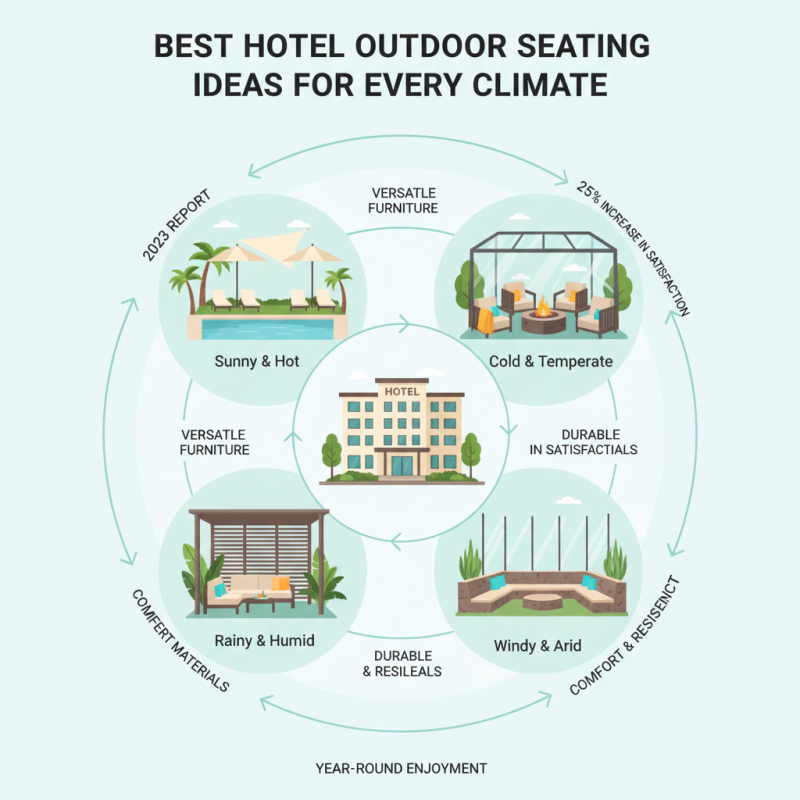
In the hospitality industry, "Hotel Outdoor Seating" has become a focal point for enhancing guest experiences. According to a 2023 report by the Global Hospitality Insights Group, establishments offering well-designed outdoor seating saw a 25% increase in customer satisfaction scores. This trend underscores the importance of creating inviting outdoor spaces that adapt to various climates.
Expert designer Laura Kensington emphasizes this need: "Outdoor seating isn't just an aesthetic choice; it's a vital part of the guest experience." Her insights highlight that thoughtful design can transform a simple patio into a dynamic social hub, regardless of weather conditions. It's crucial to recognize that while aesthetics matter, functionality cannot be overlooked, especially in challenging climates.
However, there are challenges. Many hotels struggle to find durable materials that withstand weather extremes. The right balance between comfort and resilience is key. Investing in versatile furniture is essential to cater to fluctuating temperatures. This approach not only protects hotel assets but also ensures guests enjoy a seamless outdoor experience year-round.
Best Outdoor Seating Designs for Hot Climates: Material and Shade Solutions
Creating outdoor seating for hot climates requires thoughtful design. Materials need to reflect heat instead of absorbing it. Aluminum furniture is lightweight and cool to the touch. Choose natural fibers like rattan or bamboo. These materials breathe better than plastic. They provide comfort during high temperatures.
Shade solutions are vital for comfort and usability. Consider pergolas, umbrellas, and shade sails. These can block intense sunlight effectively. Planting trees or tall shrubs can offer natural shade. They not only provide relief but also enhance the aesthetic. Remember the importance of airflow. Avoid crowded spaces that trap heat.
Reflect on the style of your seating. Oversized cushions can create comfort, but ensure they are made with UV-resistant fabrics. This protects against fading in the sun. Regular maintenance is key to prolonging the life of your outdoor investments. Hot climates present challenges, but with careful planning, you can create an inviting and functional outdoor space.
Incorporating Fire Pits: Enhancing Outdoor Dining Experience in Cold Areas
In colder climates, outdoor dining can present challenges. However, incorporating fire pits into hotel outdoor seating areas can transform the experience. A report by the American Institute of Architects states that outdoor dining spaces increase guest satisfaction by 30%. Fire pits create warmth, making them inviting year-round.
The glow of a fire evokes a cozy atmosphere. Guests often linger longer when enjoying good food and warmth. Fire pits can be designed for various settings, from rustic stone to modern metal. Each style can complement the overall aesthetic of the hotel. According to the National Restaurant Association, 60% of diners prefer outdoor seating when fire features are present.
However, there are considerations. Proper ventilation is necessary to ensure safety. Fire pits require regular maintenance to function efficiently. Reflecting on design and usage can enhance safety while also improving guest experience. Balancing aesthetics and function is key in creating a welcoming outdoor space.
Best Hotel Outdoor Seating Ideas for Every Climate - Incorporating Fire Pits: Enhancing Outdoor Dining Experience in Cold Areas
| Climate | Seating Type | Fire Pit Style | Features | Ideal Time |
| Cold/Temperate | Wooden Benches | Round Stone Fire Pit | Heated Seating Area, Cozy Blankets | Evening All Year |
| Temperate | Wicker Chairs | Portable Fire Bowl | Stylish Cushions, Ambient Lighting | Spring to Fall |
| Hot/Dry | Aluminum Lounge Chairs | Low-profile Fire Pit | Shade Canopies, Misting Systems | Evenings During Summer |
| Mild/Variable | Plastic Patio Chairs | Tabletop Fire Pit | Versatile Setup, Interchangeable Furniture | Year Round |
Weather-Resistant Furniture: Key Choices for Rainy or Humid Environments
Creating an inviting outdoor seating area requires selecting the right furniture for various climates. In rainy or humid environments, it’s essential to choose materials that can withstand moisture without degrading over time. Weather-resistant furniture made from aluminum, teak, or high-density polyethylene (HDPE) is often ideal for these conditions. These materials resist rust and mold, ensuring longevity and comfort for guests.
Cushions can be a challenge in humid areas. Opt for quick-drying foam and water-resistant fabric to enhance durability. Bright colors can add vibrancy, but watch for fading in strong sunlight. It’s a fine balance between aesthetics and functionality. Regular maintenance, such as cleaning and covering furniture when not in use, becomes necessary. This is not just practical; it extends the life of your pieces.
Consider adding features that enhance usability, like built-in storage for cushions or a rainwater drainage system in your layout. Practical solutions show thoughtfulness towards guests, while still addressing the realities of weather challenges. Even with sturdy materials, there can be setbacks. Skin irritation from damp seating is something to reflect on. Creating a cozy and resilient outdoor space is an ongoing journey.
Adaptable Outdoor Spaces: Versatile Seating Arrangements for All Seasons
Creating versatile outdoor seating arrangements is essential in the hospitality industry. Adaptable spaces can significantly enhance guest experiences, regardless of the climate. According to a recent survey by the American Hotel and Lodging Association, 73% of travelers prioritize outdoor seating when selecting hotels. This highlights the importance of designing flexible areas that cater to different weather conditions.
For colder climates, consider incorporating heated seating options. Fire pits can create a cozy atmosphere and allow for gatherings during chilly evenings. In warmer regions, lightweight furniture enables easy rearrangement to maximize shade while ensuring comfort. Utilizing large umbrellas or retractable awnings can also enhance the usability of outdoor spaces throughout the year.
Moreover, integrating nature into seating areas can improve guest satisfaction. Research shows that biophilic design increases well-being and comfort for users. Plants, flowers, and natural materials can create inviting environments. However, hotels must reflect on their maintenance practices. Keeping outdoor spaces clean and well-kept requires constant attention and resources. Ensuring versatility and maximizing comfort does require thoughtful design, but the investment can lead to increased guest loyalty and positive reviews.
Best Hotel Outdoor Seating Ideas for Every Climate
This chart illustrates the adaptability of outdoor seating arrangements across different climates. The data represents different types of seating options suitable for each climate category including Warm, Cold, Rainy, and Mixed climates.
Inspiring Decor Trends: Color and Comfort for Hotel Outdoor Areas
Creating inviting outdoor spaces in hotels requires understanding both color and comfort. Neutral palettes evoke calm, while bright hues can energize a space. Consider adding cushions in cheerful colors. They can bring a pop of vibrancy and welcome guests. The combination of soft fabrics and rich shades can create an alluring atmosphere.
When selecting furniture, prioritize both style and comfort. Opt for deep seating options that encourage guests to linger. Pair lounge chairs with small side tables for convenience. This balance is key to a hospitable outdoor experience. Don't overlook lighting; warm, ambient lights can transform the area in the evening.
Tips: Incorporate natural elements like plants to soften hard edges. Use durable materials suited for your climate, ensuring longevity. Regularly update your seating arrangements to keep the space fresh. Experiment with layouts to find what works best for your hotel’s unique outdoor environment. Embrace some imperfections in decor to create a more personalized touch that reflects your hotel's character.