Best Oak Kitchen Cabinets for 2026
Choosing the best oak kitchen cabinets for 2026 means looking beyond a finish sample. Grain, construction, hardware, and room lighting all shape the result. In morning light, white oak can read pale and calm; beside warm brass, the same boards may look richer. Small details matter. Check door samples at home, against your flooring and countertop. Oak is a natural material, so grain and color vary. That variation can feel lively—or less consistent than expected. A cabinet showroom cannot fully predict it.
Kitchen designer Lena Brooks offers this useful principle: “Let the oak’s grain lead; keep the surrounding choices quiet.” Treat that as a starting point, not a rule. A strong design still needs to fit how the kitchen works. Think about drawers near the range, wipeable finishes beside the sink, and clear space for daily prep. For this Oak Kitchen guide, we’ll compare popular oak species, cabinet styles, finishes, durability, and value. We’ll also consider what changes in 2026, from natural, low-sheen looks to more expressive grain. Trends move quickly. Your cabinets stay. One honest caveat: pale oak can show wear and spills, while darker finishes may make a small room feel heavier. The right choice depends on your home, habits, and tolerance for visible variation.
Oak Kitchen Cabinets: Materials, Grain, and Construction
Oak kitchen cabinets start with a choice between red oak and white oak. Red oak often shows warm, pinkish tones and bold, open grain. White oak tends to look more muted, with straighter grain and better natural resistance to moisture. Neither is waterproof. Wipe spills near the sink promptly.
Look closely at the door and drawer construction. Solid-oak frames can provide durable edges, while veneered panels keep broad surfaces more stable as humidity changes. A quality veneer is not a shortcut by itself. Check that its grain looks consistent across adjacent doors, and inspect exposed edges for lifting or rough seams. Small details matter.
Grain changes the room’s feel. Cathedral patterns create movement; quarter-sawn oak has tighter, straighter lines and distinctive flecks. I still find samples misleading under showroom lights. View a cabinet door beside your flooring, then check it again in morning and evening light. Finish also shifts the color: clear coatings preserve a pale look, while stains can deepen contrast and hide some natural variation. That may be the point, though it can make repairs harder. Feel the surface along corners and around handles; a slightly uneven finish is easy to miss in a photograph.
Best Oak Kitchen Cabinets for 2026
Oak Kitchen Cabinets: Materials, Grain, and Construction
Janka hardness measures the force needed to embed a steel ball halfway into wood; higher values indicate greater resistance to denting. White oak and red oak offer a balance of durability and distinctive grain, while cabinet performance also depends on joinery, panel construction, finish, and everyday use. Values shown are commonly reported reference ratings in pounds-force (lbf).
How to Choose the Right Oak Cabinet Style
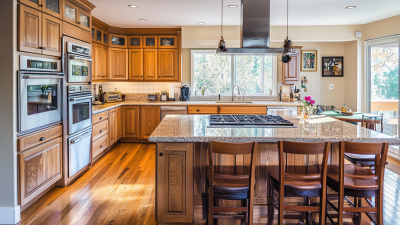
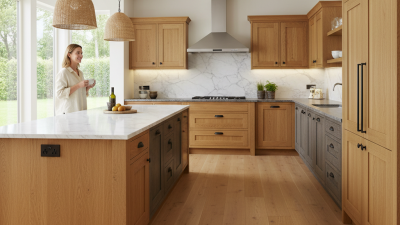
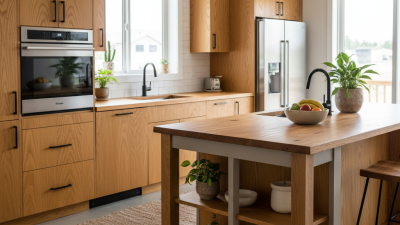
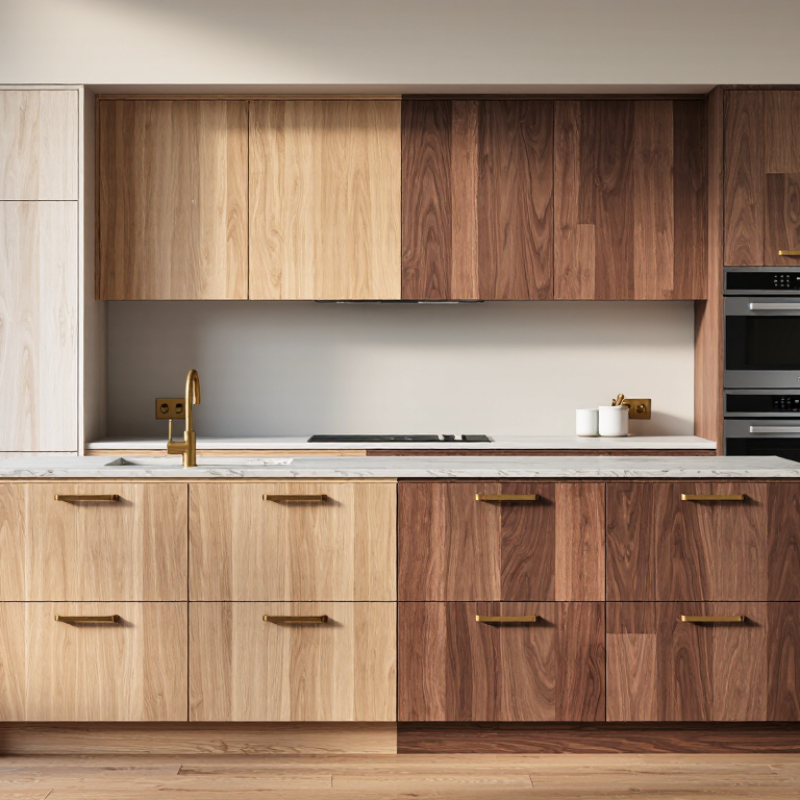
Oak cabinets can look calm, rustic, or distinctly modern; the door profile and finish make the difference. For a clean, contemporary kitchen, consider flat-front or slim-shaker doors with a clear, low-sheen finish. These keep the oak grain visible without making every cabinet feel busy. Like a little warmth? A natural finish often brings out honey and straw tones, while a muted stain can temper them.
Traditional kitchens suit raised-panel doors, especially when paired with visible grain and simple hardware. In a smaller room, heavy detailing may feel crowded. Look at your kitchen in morning and evening light before choosing a stain. Oak can shift noticeably under warm bulbs, and a sample that looks pale in a showroom may turn golden at home. That part is easy to underestimate.
Quarter-sawn oak has straighter, more consistent markings than many plain-sawn boards, which can help a modern layout feel orderly. Plain-sawn oak has broader, cathedral-like patterns and a more casual character. Neither is automatically better. Check several door samples together, since grain varies from piece to piece. Also consider daily wear: textured grain can disguise small marks, but deep grooves may take longer to wipe clean. If possible, inspect a full-size door, not just a tiny swatch. It may change your mind.
Best Oak Finishes and Colors for 2026 Kitchens
For 2026 kitchens, oak’s appeal lies in its visible grain and warm, adaptable color. Houzz’s 2024 U.S. Kitchen Trends Study reported white as the leading cabinet color at 40%, with wood tones at 24%. That preference leaves room for oak without making every kitchen feel rustic. White oak suits a pale, calm palette; red oak brings stronger grain and a rosier cast. Natural matte finishes keep the wood character clear, while light honey tones add warmth without turning orange. Trends shift, though, and a finish that looks perfect online may feel too yellow beside your actual floors.
Tips: Order door samples in the exact finish. View them beside countertops and flooring, in morning and evening light. Small samples lie. Check whether the grain and color vary across several doors; oak can look busier across a full run of cabinets.
For a softer look, consider a lightly smoked or muted, limed finish, then balance it with simple hardware and quieter surfaces. Test the finish against your wall color, too. I would avoid choosing from a tiny swatch alone; that shortcut is tempting, but it can miss how oak’s grain changes across a large cabinet face.
Comparing Oak Cabinet Quality, Cost, and Durability
For 2026, oak cabinets offer a practical balance of visible grain and everyday toughness. The USDA Forest Products Laboratory’s Wood Handbook reports Janka hardness ratings of about 1,290 lbf for red oak and 1,360 lbf for white oak. That helps explain why both handle ordinary kitchen knocks well. But hardness alone does not define quality. Check door thickness, smooth drawer action, sturdy joinery, and whether cabinet boxes use plywood or particleboard. Grain and color can vary between doors. That is natural, though sometimes frustrating.
Cost depends on more than the wood species. Door style, finish, box construction, and installation can shift a quote substantially. Solid oak doors paired with plywood boxes may cost more than printed finishes or simpler materials. For durability, white oak is often chosen for its resistance to moisture, but no wood cabinet is waterproof. Wipe spills near the sink promptly, and inspect the finish around handles. The trade-off is not perfectly neat: a tougher wood can still suffer from poor sealing or sloppy installation.
Tips: Compare written quotes line by line, including hardware and installation. Ask for a finished sample, then view it beside your countertop and under warm lighting. Check that drawer slides feel steady when loaded. Small details matter. Don’t assume a premium price guarantees better construction.