China Top 10 Veterinary Syringe Set Manufacturers
Veterinary care depends on tools that perform consistently, from farm treatment rooms to busy animal hospitals. A Veterinary Syringe Set may look simple, yet barrel markings, plunger movement, connection fit, and packaging can affect daily handling. Small details matter. For buyers comparing China-based manufacturers, product descriptions alone rarely reveal how reliably these details hold up across production batches.
Market growth helps explain the rising attention. Grand View Research valued the global veterinary medicine market at USD 42.1 billion in 2023 and forecast a 7.6% compound annual growth rate from 2024 to 2030. This broad market estimate is not a syringe-set sales figure, so it should not be treated as one. It does, however, point to expanding demand for veterinary care and the equipment that supports it. A useful supplier review should examine materials, available sizes, readable graduations, assembly consistency, and quality documentation. Ask how products are checked, and request samples when practical. A neat catalogue is not proof of dependable production. That is easy to overlook.
This guide introduces ten Chinese manufacturers for further evaluation, rather than declaring a universal winner. Buyers should compare stated specifications with actual samples and confirm that packaging suits their storage and handling needs. Manufacturing capabilities can change, and public information may be incomplete. Verify current details directly with each supplier. A careful comparison takes time, but it can prevent avoidable surprises after an order arrives.
Overview of Veterinary Syringe Sets and Their Uses
China Top 10 Veterinary Syringe Set Manufacturers
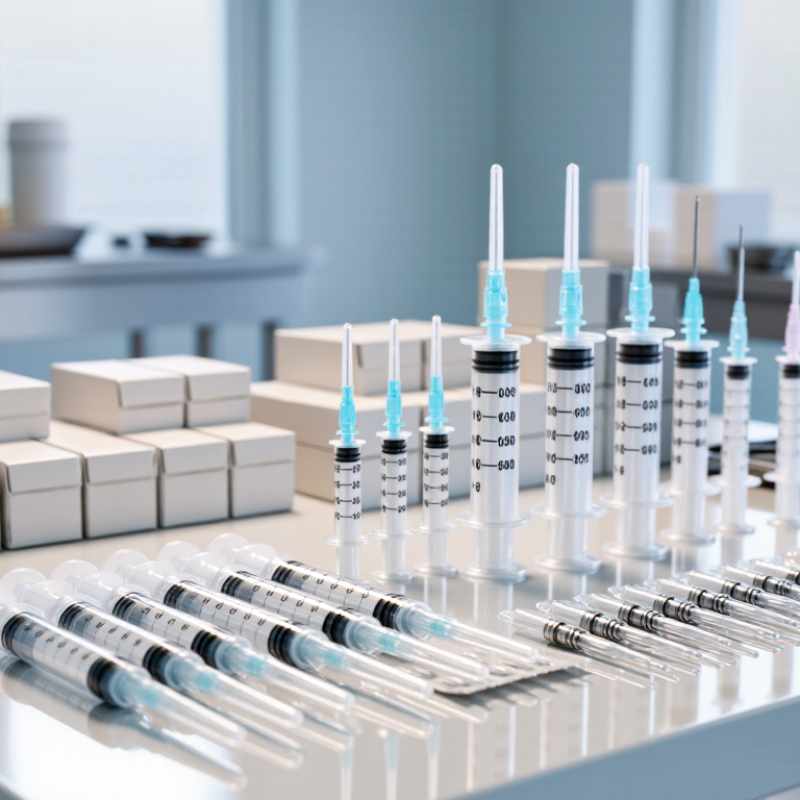
Veterinary syringe sets combine a calibrated barrel and plunger with suitable needles, caps, or dosing attachments. The exact components vary by animal, procedure, and product. A clear scale helps staff measure prescribed amounts, while a secure plunger supports controlled delivery. Small details matter.
Clinics may use syringes to administer prescribed vaccines, medications, or fluids under veterinary direction. Some sets are intended for one-time use; others may be designed for cleaning and reuse according to their instructions. Choosing the right barrel size can make small-volume measurements easier to read. Needle length and attachment type also affect handling, so they should match the veterinarian’s instructions and the animal’s needs.
Good practice includes checking the scale, connection, and packaging before use. Staff should follow the product directions and clinic hygiene procedures, and avoid reusing items labeled for single use. A clean tray and adequate lighting help make inspection easier. Still, a clear scale cannot prevent every error. I would not treat a syringe set as a substitute for training, especially when animals move or the dose is difficult to measure.
Key Types and Features of Veterinary Syringe Sets
Veterinary syringe sets vary by dosing task. Manual disposable syringes suit single treatments, while reusable metal or glass models tolerate repeated cleaning. Automatic and continuous-dose syringes help deliver similar volumes across a herd. Drench guns handle oral liquids, not injections. A small distinction, but an important one. OECD-FAO Agricultural Outlook 2024–2033 projects global meat production to grow about 12% over the coming decade. That expansion makes efficient routine animal care more relevant, though it does not mean every farm needs the same equipment.
Useful features are practical: clear, durable graduations; a dose-adjustment ring that locks firmly; and a barrel that can be inspected for residue. For injections, a secure needle connection helps prevent leakage, while compatible needle lengths and gauges suit different animals and sites. Smooth triggers and balanced handles matter during repeated dosing. Reusable sets need components that can be disassembled and cleaned according to the manufacturer’s instructions. Disposable sets reduce cleaning steps but create more waste. FAO identifies livestock as an important contributor to agricultural livelihoods and food systems, yet equipment choice still depends on species, dose, route, and handling conditions. Labels can look clear in a catalogue. In a dim barn, they may not. Check calibration and comfort before buying.
How to Evaluate Chinese Veterinary Syringe Manufacturers
China Top 10 Veterinary Syringe Set Manufacturers
Evaluating Chinese veterinary syringe manufacturers means checking performance, not just comparing catalog photos. OECD-FAO Agricultural Outlook 2024–2033 projects global meat production to rise by 12% by 2033. That growth makes dependable animal-care tools important, but it does not prove any supplier’s quality. Ask for current quality-system certificates, production records, and batch traceability. Check whether the certificate covers the actual factory and product range.
Test samples with the fluids and dosing conditions used in your work. Look for smooth plunger movement, clear graduations, secure needle connections, and leakage around the barrel tip. Request documented dose-accuracy and sterilization validation results when applicable. Where relevant, ask how products align with standards such as ISO 7886-1 for single-use hypodermic syringes. Confirm material specifications and packaging integrity, too. Small details matter.
A glossy catalog is not proof. Compare sample results with written specifications, and ask how defects are recorded and corrected. One weak spot in many evaluations is relying on a single sample; production batches can vary. Request samples from more than one batch, and consider an independent inspection before a large order. Keep the checklist practical, but leave room for review. Manufacturers may provide polished documents; verify their scope, dates, and issuing bodies.
Veterinary Syringe Manufacturer Evaluation: Common Nominal Capacities
Compare whether a manufacturer offers the syringe capacities required for your intended use. These are nominal capacity examples, not a ranking or market-share estimate; verify graduations, materials, sterility options, and product specifications directly.
Profiles of 10 Leading Veterinary Syringe Set Manufacturers in China
Profiles of ten leading veterinary syringe-set manufacturers in China should compare more than catalog size. Look for clear distinctions in disposable calibrated sets, reusable metal syringes, poultry vaccination equipment, livestock dosing guns, and small-animal precision tools. Some factories may specialize in molded barrels; others may focus on assembly, sterilized packaging, or custom production. Ask each profile to show production controls, batch traceability, needle-fit checks, and practical calibration evidence. A polished product photo proves little.
The OECD-FAO Agricultural Outlook 2024–2033 projects global meat production to rise by about 12% over the period. That growth supports demand for dependable animal-care equipment, though it does not guarantee demand for any specific syringe type. Buyers should compare material specifications, dose consistency, packaging protection, and documented quality procedures. Factory capability can vary by product line. This is easy to overlook.
Tips: Request sample sets and test markings, plunger movement, and leakage with the intended fluid. Check how the supplier handles defects and replacement parts. Ask for records, not promises. A useful comparison should also note what each manufacturer does not produce.
Quality Standards and Industry Trends in Veterinary Syringe Manufacturing
Veterinary syringe manufacturing depends on reliable dosing, clean assembly, and consistent materials. A clear barrel helps staff read small volumes under bright clinic lights. Smooth plungers reduce hand strain during repeated treatments. Small details matter. Manufacturers typically inspect graduations, fit, leakage, and packaging integrity across production batches. Each check supports safer, more predictable use.
Quality systems should include documented specifications, calibrated equipment, batch records, and checks for sterile products when applicable. Traceability matters when a component or production lot needs review. Practical evaluation also includes testing how syringe sets perform with different animal sizes, medications, and handling conditions. A set that works well for a large animal may feel awkward in a small-animal clinic. The fit is not always obvious on paper.
Industry trends include tighter process monitoring, improved ergonomic designs, and more consistent automated inspection. Manufacturers are also exploring packaging that protects product quality while reducing unnecessary material. Trade-offs remain: lighter packaging can be harder to handle, and automation cannot judge every real-world use. That gap deserves attention. Feedback from veterinarians and technicians can reveal issues missed during factory testing, such as faint markings or slippery grips. Reliable design grows from measurable standards and honest revision.