

How to Choose Precision Pellet Rigs for Your Business?

Choosing Precision Pellet Rigs is a capital decision, not a brochure comparison. A rig that runs well in a demonstration may struggle with damp feedstock, inconsistent particle size, or a demanding shift schedule. Buyers should compare throughput, energy use, maintenance access, die life, and finished-pellet quality under realistic operating conditions. Small details matter. A service hatch that opens easily can save time beside a hot, dusty production line.

The FAO/UNECE Forest Products Annual Market Review reported global wood-pellet production of about 46.5 million tonnes in 2022. That scale signals a substantial market, but it does not guarantee demand for every producer. Buyers still need to test local feedstock, delivery costs, and customer specifications. ISO 17225-2 provides graded specifications for wood pellets; it is a useful reference when checking product requirements. It cannot replace a trial using your own material.

A practical paraphrase of biomass researcher Dr. Thore Berndes’s systems perspective is: match the process to the feedstock and end use, rather than choosing by headline capacity. This is not a verbatim quotation. The distinction matters. Ask suppliers for test data, operating references, and documented assumptions behind their capacity figures. Verify those claims with a production trial where possible. Even a careful comparison has limits: real feedstock varies, and early estimates can be wrong. A little skepticism helps. This guide outlines how to assess Precision Pellet Rigs against your business needs, available evidence, and realistic operating conditions.
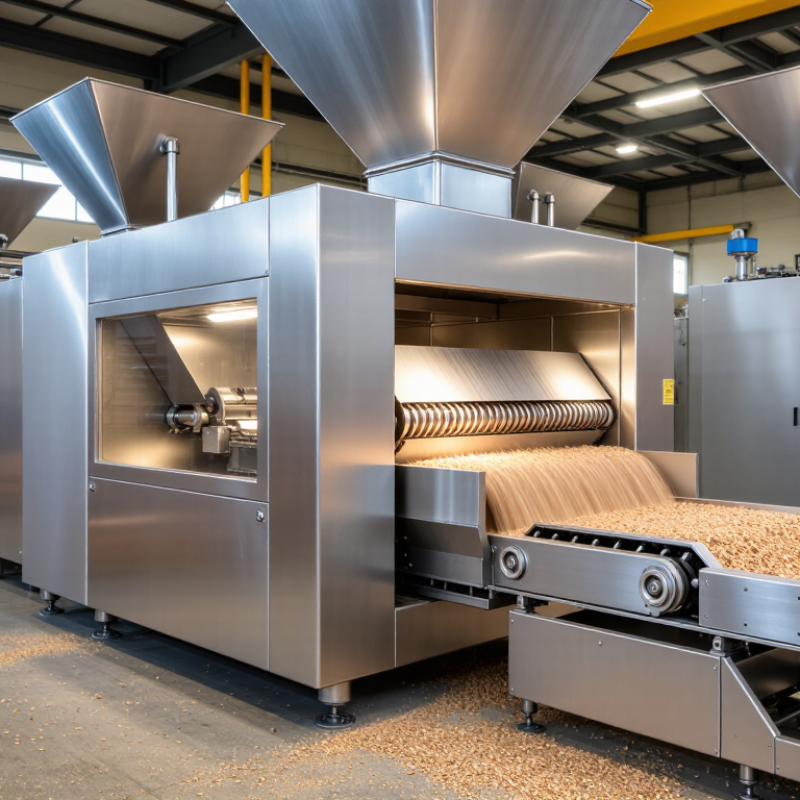
How to Choose Precision Pellet Rigs for Your Business?

Define Your Production Requirements and Pellet Specifications

Before comparing precision pellet rigs, define the product and the real production target. Record the material, formulation, target throughput in kilograms per hour, pellet diameter, length, and acceptable variation. Specify moisture range, bulk density, durability, and fines after handling. A 4 mm pellet may suit one buyer but fail another’s feeder. Small details matter. Also note whether recipes change daily or only seasonally; frequent changeovers affect cleaning time and usable output.

Alltech’s 2024 Agri-Food Outlook estimated global commercial feed production at 1.29 billion metric tonnes in 2023, based on data from 142 countries. This is feed production overall, not pellet volume, but it shows why capacity claims need careful context. Compare a rig’s rated throughput with your material and desired pellet size, then request a trial using your own blend. Measure output, energy use, fines, and downtime—not just the number on a brochure. Test before scaling. Keep a written specification sheet, including tolerances and test conditions, so supplier quotes are comparable. One uncomfortable point: early estimates are often wrong. Run a small production trial, inspect the pellets after cooling, and revise the specification before committing to a larger line.

Compare Precision Pellet Rig Types and Core Technologies

Precision pellet rigs differ mainly in how they hold bait and present the hook. A bait-band rig grips a hard pellet directly, making bait changes quick and simple. A hair rig keeps the pellet beside the hook, which can leave the hook point more exposed. Bayonet-style attachments can secure firm pellets, but they need careful placement to avoid splitting the bait. Small details matter.

Core technologies include hooklink materials, hook patterns, and consistent attachment methods. Soft braided line moves naturally, while stiffer materials can help reduce tangles during casting. Wide-gape hooks are common for compact presentations; finer wire may suit smaller baits but can bend under heavy pressure. Match line strength and hook size to the target fish, venue conditions, and expected handling. A neat knot is not enough if each rig varies in length.

For a business, compare rigs through repeatable tests rather than packaging claims. Check bait retention after casting, hook exposure, knot security, and ease of replacement. Record results across pellet sizes and water conditions. Field notes are easy to overlook. There is no universal setup, and one test session can give a misleading result. A small pilot batch helps reveal defects before larger orders are made.

Assess Capacity, Automation, and Existing Equipment Compatibility

Choosing a precision pellet rig starts with the output you need on an ordinary production day, not the maximum in a brochure. Estimate kilograms per hour, batch size, operating shifts, and expected changeovers. Compare those figures with the rig’s rated capacity using your actual material and moisture conditions. Leave room for demand spikes, but avoid buying capacity that will sit idle. Measure twice. A small trial run can reveal uneven feeding, temperature drift, or pellet dimensions that change during longer runs. Record the results; memory is a poor specification sheet.

Automation should solve a real bottleneck, not add controls nobody uses. Check whether operators need automatic feeding, weighing, temperature adjustment, or shutdown alerts. Then map the rig against your existing equipment: floor space, power supply, extraction connections, conveyors, and control-system interfaces. Confirm dimensions on site, including service access; a machine may fit on paper but block a maintenance panel. That matters. Ask technicians to review cleaning routines and spare-part access before purchase. One detail may still be missed: an older conveyor can limit the line even when the new rig meets its target rate. Compare test data with your current line’s actual throughput, and note where estimates remain uncertain.

Evaluate Supplier Quality, Safety Standards, and Lifecycle Costs

Choosing a precision pellet rig begins with evidence, not a polished sales demonstration. Ask suppliers for recent inspection records, material specifications, and references from businesses with similar production needs. Request a trial using your own feedstock, then check pellet size, consistency, throughput, and reject rates.

A neat sample does not guarantee steady results across a full shift. Paperwork is not proof. Confirm that certificates are current and verify them with the issuing organization where possible.

Review guarding, emergency stops, electrical protection, and operator instructions against the safety requirements that apply at your site. Ask who installs the equipment, trains staff, and responds when a fault occurs. Service response times matter. So do spare-part lead times.

Calculate lifecycle costs, including power use, routine maintenance, replacement dies or rollers, training, and the production lost during repairs. Compare these figures over a realistic operating period, not just the purchase price.

I would also ask for maintenance tasks in writing; they are easy to underestimate during a sales meeting. One gap in the supplier’s documentation may not rule out a rig, but it deserves a clear answer before purchase.

Plan Equipment Testing, Installation, and Performance Monitoring

Choose a pellet rig by testing it with your actual feedstock, not a supplier’s ideal sample. Record moisture, particle size, and bulk density before each trial. Then compare throughput, energy use per tonne, pellet durability, and fines. Keep the die temperature and operating speed steady. Small changes can distort results. ISO 17225-2:2021 sets a maximum moisture content of 10% for graded wood pellets; use this as a product benchmark only when wood pellets fit your operation. Other materials require their own specifications.

Plan installation around the full process line. Check floor loading, electrical supply, dust extraction, access for die changes, and safe maintenance clearance before delivery. During commissioning, log motor load, bearing temperature, vibration, and output at fixed intervals. A simple spreadsheet works. Not glamorous, but useful. Compare readings with the baseline from acceptance testing, and investigate sudden shifts before they become costly stoppages.

Performance monitoring needs named owners and clear thresholds. Track tonnes per operating hour, rejected product, downtime, and energy per tonne by shift. Calibrate moisture meters regularly, and retain test samples from each production run. A weak point remains: operators may record data differently when production is busy. Review logs together each week, correct gaps, and adjust maintenance intervals only when the evidence supports it.