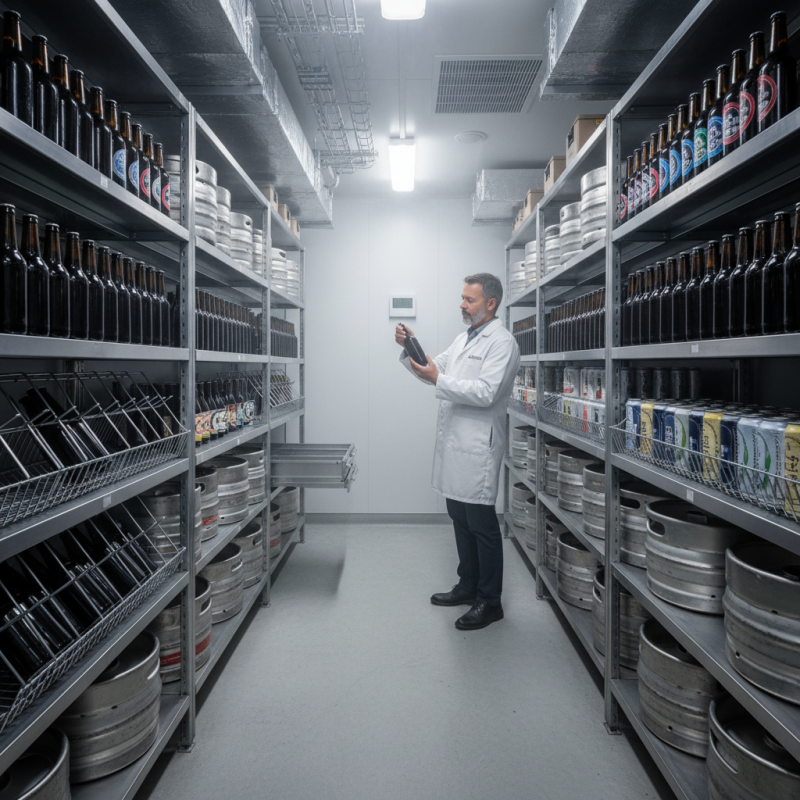
How to Choose the Best Commercial Beer Storage Solutions?
Choosing the right Commercial Beer Storage solutions is crucial for any business involved in serving beer. John Miller, a renowned expert in the brewing industry, emphasizes, "The quality of beer depends significantly on how it is stored." This statement underscores the importance of proper storage.
In the competitive world of commercial brewing, maintaining beer freshness is vital. A variety of storage options exist, yet not all are created equal. Climate control, shelving design, and easy access all play roles in preserving beer flavor and stability. Some businesses overlook these elements, leading to subpar customer experiences.
Investing in quality Commercial Beer Storage can lead to long-term benefits. It’s not only about keeping beer cold; it's also about managing space efficiently. Many establishments fail to assess their unique needs. Reflecting on individual priorities can help in making an informed decision.
Understanding Different Types of Commercial Beer Storage Solutions
When selecting commercial beer storage solutions, understanding the various types available is essential. Proper storage impacts the quality and taste of the beer. Common solutions include kegerators, draft systems, and refrigeration units. Each type has distinct advantages and requirements tailored to specific business needs.
Kegerators are popular for smaller venues. They can hold one or two kegs and maintain temperature well. According to the Brewers Association, proper storage can preserve flavor and carbonation.
Draft systems, on the other hand, cater to larger establishments. They utilize multiple kegs and offer more versatility. However, they require regular maintenance and inspection to function optimally.
Refrigeration units provide consistent temperatures for longer-term storage. Data from industry reports suggests that most commercial beers should be kept at 38°F to 50°F. Maintaining this range can be challenging. It requires regular checks and sometimes, costly upgrades. Ultimately, investing in the right solution is crucial. However, businesses must assess their specific needs and budget carefully. Balancing costs with quality management is a common dilemma many face in the industry.
Factors to Consider When Selecting Beer Storage Equipment
When selecting beer storage equipment, several factors come into play. Temperature control is crucial. Most beers should be stored between 38°F and 55°F. A 2022 report from the Brewers Association highlighted that improper temperatures can negatively affect beer taste and quality. Humidity levels also matter. Too much humidity can cause labels to peel, while dryness can damage corked bottles.
The capacity of your storage solution should align with your inventory needs. According to a 2023 industry survey, businesses with proper storage can reduce waste by 25%. Smaller operations may prioritize multifunctional units. Larger breweries often require specialized refrigeration systems to maintain their products.
Tips: Ensure your storage area is clean and organized. Regularly inspect equipment for any potential issues. Consider investing in insulated storage to prevent temperature fluctuations. Monitoring inventory can help in timely restocking and better management.
Evaluating Capacity and Size for Your Beer Storage Needs
When choosing a beer storage solution, evaluating capacity and size is crucial. Consider the volume of beer you plan to store. A small bar may only need a few kegs, while a larger restaurant might require multiple units. Think about your inventory turnover as well. If you frequently restock, a compact solution might be ideal. Your storage should complement the flow of your operations, ensuring efficiency.
Size is not just about volume; it’s also about dimensions. Measure the available space carefully. Remember that some units need ventilation or clearance for maintenance. A unit that fits perfectly at first may become cumbersome if you need to keep stock for special events. Flexibility in storage can help you adapt to demand changes, so look for solutions that can accommodate both short-term and long-term needs.
Inadequate planning can lead to issues later. You might find yourself scrambling for space during peak seasons. Evaluate your current setup and identify gaps. Is your storage preventing organized access to certain beers? By addressing these factors thoughtfully, you can create a more efficient and effective operation. Prioritize durable materials that withstand daily use, as quality is just as important as size in the long run.
How to Choose the Best Commercial Beer Storage Solutions? - Evaluating Capacity and Size for Your Beer Storage Needs
| Storage Type | Capacity (Liters) | Size (cm) | Temperature Control | Price ($) |
| Vertical Beer Cooler | 200 | 180 x 60 x 60 | 3°C to 7°C | 850 |
| Chest Freezer | 500 | 120 x 70 x 90 | -5°C to 0°C | 1,200 |
| Keg Refrigerator | 100 | 90 x 60 x 80 | 1°C to 4°C | 600 |
| Refrigerated Beer Dispensing Unit | 150 | 100 x 80 x 70 | 2°C to 5°C | 900 |
| Under-counter Beer Fridge | 75 | 60 x 60 x 80 | 1°C to 4°C | 400 |
Maintaining Temperature and Humidity for Optimal Beer Storage
When it comes to beer storage, maintaining the right temperature and humidity is crucial. Ideally, beer should be stored at a temperature between 45°F and 55°F. This range helps preserve flavor and quality. Extremes can ruin the taste. Too cold, and flavors dull. Too warm, and off-flavors develop.
Humidity also plays a key role. The ideal humidity level is around 50-70%. If too low, corks can dry out, causing oxidation. Too high, and mold may grow. Use a hygrometer to monitor levels. Dark environments prevent light exposure, which can skunk beer. Investing in a dedicated storage unit can ensure optimal conditions.
It's important to reconsider your approach to beer storage regularly. Over time, your setup may become less effective. Check seals on storage units; they can wear out. Also, examine your storage area for fluctuations in temperature or humidity. These small details can significantly impact your beer’s quality over time.
Cost Analysis: Budgeting for Commercial Beer Storage Solutions
When budgeting for commercial beer storage solutions, understanding the costs involved is essential. According to a recent industry report, the average cost of a commercial beer cooler ranges from $1,500 to $5,000. This price depends on size and features. Larger units with advanced temperature controls can drive costs up significantly.
Operational costs are also a factor. Energy consumption rates for commercial units typically fluctuate based on usage. It's estimated that energy costs can account for up to 30% of total operating expenses. Regular maintenance is another area that can impact budgets. Neglecting routine checks can lead to costly repairs later.
Beyond equipment, real estate costs should not be overlooked. Renting space for storage can vary widely. In urban areas, a commercial space could reach up to $5,000 monthly. These figures highlight the importance of thorough cost analysis. A well-planned budget can avoid unexpected expenses and ensure longevity in operations. It's crucial for businesses to reflect on these factors when choosing storage solutions.
Commercial Beer Storage Solutions Cost Analysis