How to Choose the Best Indoor WPC Wall Panel for Your Needs?
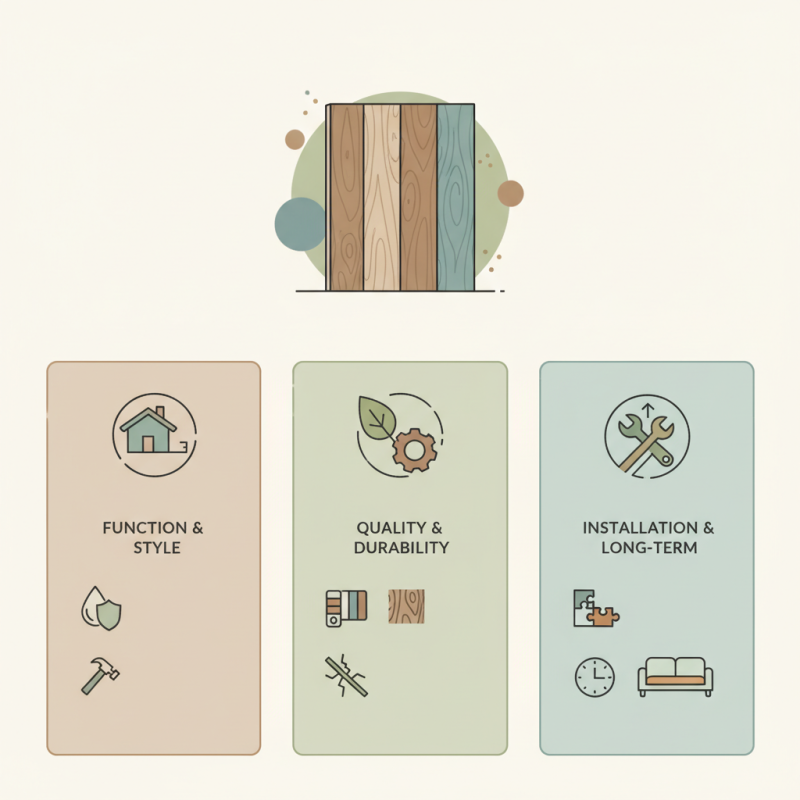
Selecting the right Indoor wpc wall panel is crucial for any interior design project. The blend of wood and plastic offers durability and aesthetic appeal. When choosing, consider your space's function and style. A well-chosen panel enhances the room’s atmosphere, offering warmth and modern flair.
Quality matters with indoor WPC wall panels. Check the material’s resistance to moisture and impact. Some panels may not meet high standards, leading to future issues. The color and texture should align with your overall decor. If you prefer a natural wood look, pay attention to the finish and grain pattern.
Evaluate the installation process. Not all panels are easy to fit. A complicated setup can lead to mistakes and wasted resources. Seek advice from professionals if needed. Reflect on your long-term needs; aesthetics should not compromise functionality in your living space.
Understanding Indoor WPC Wall Panels: Definition and Benefits
Indoor WPC wall panels combine wood and plastic to create a versatile building material. They offer durability and aesthetic appeal. These panels are resistant to moisture, mold, and pests, making them suitable for various indoor settings. Their light weight simplifies installation, saving time and effort.
The benefits of WPC wall panels are significant. They provide a natural wood look without the drawbacks of traditional wood. You won’t have to worry about splintering or warping. Maintenance is easy; just occasional cleaning is necessary. Their sound insulation properties can enhance the comfort of your living space.
However, it’s essential to evaluate your specific needs. Some panels may not fit all decorative styles. Factors like climate and room function should guide your decision. While WPC panels are generally reliable, ensuring proper installation is crucial. Misalignment can lead to issues over time. Selecting the right panel involves careful consideration of these aspects.
Choosing the Best Indoor WPC Wall Panels - A Data Overview
This chart illustrates key dimensions of indoor WPC wall panels that are crucial for selection. The thickness indicates structural strength, water resistance shows its adaptability in humid environments, and durability reflects the longevity of the material. Fire rating is essential for safety considerations, while cost influences budget decisions.
Key Factors to Consider When Selecting Indoor WPC Wall Panels
When selecting indoor WPC wall panels, consider several essential factors. A critical aspect is the material composition. WPC, or wood-plastic composite, combines wood fibers with recycled plastics. Research indicates that WPC panels can reduce maintenance costs by up to 50% compared to traditional wood. This makes them appealing for cost-conscious projects.
Durability is another key factor. Indoor WPC panels typically resist moisture, pests, and wear. According to industry reports, panels made from high-quality WPC can last over 20 years with minimal upkeep. This longevity ensures that your investment remains sound for years to come.
Aesthetic appeal matters greatly as well. These panels come in various styles and colors, allowing for personalization. However, it's crucial to verify how color and design hold up over time. Some panels may fade or discolor, requiring thoughtful selection. Choose panels that enhance your space while remaining resistant to environmental factors. An informed choice here can yield satisfaction for the long term.
Different Types of Indoor WPC Wall Panels and Their Features
When choosing an indoor WPC (Wood Plastic Composite) wall panel, understanding the different types is crucial. There are primarily three types: solid, hollow, and laminated. Solid panels possess high durability and can withstand heavy impacts. In contrast, hollow panels are lighter and more cost-effective, making them great for DIY projects. Laminated panels, with their aesthetic appeal, offer various finishes that can mimic real wood or stone.
A recent industry report highlights that WPC wall panels are growing in popularity, expected to increase by 10% annually until 2025. This is due to their eco-friendly nature and resistance to moisture and pests. The versatility of these panels allows for use in different spaces, from homes to commercial buildings. However, buyers should be cautious about weight and installation complexity.
Tips: Consider the thickness of the panel. Thicker panels typically provide better insulation and soundproofing. Also, think about your wall's moisture levels. Some panels work better in humid environments than others. The choice of color and texture should complement your overall design vision. Balancing aesthetics with performance is key.
Installation Methods for Indoor WPC Wall Panels: A Comprehensive Guide
When considering the installation of indoor WPC wall panels, understanding the methods is vital. Many homeowners appreciate WPC panels due to their durability and aesthetic appeal. Research shows that about 70% of users prefer screw-fastening methods for securing these panels. This gives a sturdy finish, though it requires precise drilling and alignment.
On the other hand, adhesive applications have gained significant traction lately. Data indicates that nearly 50% of users find this method more straightforward. Adhesives can save time and effort, yet they may not provide the same robust support over time. Homeowners must consider potential downsides. For example, improper application can lead to peeling or warping.
Installation should also accommodate room dimensions. It is recommended to allow for expansion gaps of at least 1/4 inch. If not, panels may buckle due to humidity changes. Many find it challenging to accurately measure these gaps. Planning is crucial. Overall, careful consideration of installation methods will promote satisfaction with WPC wall panels long-term.
How to Choose the Best Indoor WPC Wall Panel for Your Needs?
| Dimension | Description | Material Type | Installation Method |
| 4' x 8' | Standard size for residential use | Wood Plastic Composite (WPC) | Click Lock |
| 4' x 10' | For larger wall coverage | WPC with UV coating | Nailing |
| 3' x 10' | Suitable for commercial spaces | Hollow WPC | Glue Down |
| 2' x 4' | Ideal for small areas or accents | Solid WPC | Screwing |
| 1' x 6' | For decorative applications | Recycled WPC | Panel Clips |
Maintenance Tips for Ensuring Longevity of WPC Wall Panels
WPC wall panels are gaining popularity due to their durability and aesthetic appeal. However, maintaining them is crucial for longevity. Data from industry reports shows that proper maintenance can extend the lifespan of WPC panels by up to 20 years. Regular cleaning with a soft cloth can prevent dirt buildup. Avoiding harsh chemicals is essential, as they may degrade the material over time.
Humidity control is another important aspect. WPC panels can absorb moisture, leading to warping. Keeping indoor humidity levels between 30% to 50% is ideal. Regularly inspect the panels for any signs of damage. Early detection can save you from significant repairs later on. While WPC is resistant to mold, it’s not completely immune.
Mind the surroundings of the panels too. High-traffic areas might need more frequent attention. Consider a protective sealant to enhance durability. This process may become a chore, but it’s a worthwhile trade-off for longevity. Remember, maintenance isn't just about cleaning. It's vital to understand the environment and potential hazards that can affect your WPC panels.