2026 How to Choose EVA Interlocking Mat for Taekwondo?
Choosing the right EVA interlocking mat for taekwondo can significantly enhance training experiences. Experts suggest that quality and safety should be top priorities. Dr. Emily Chen, a renowned sports safety consultant, states, "The right mat can make a world of difference in training outcomes."
EVA interlocking mats offer cushioning and support, crucial for athletes. They help in reducing the risk of injuries during intense practice sessions. These mats come in various designs and thicknesses, which can influence performance. However, not all mats are created equal. Some may wear down quickly, leading to potential hazards.
Consider factors like thickness, texture, and ease of cleaning. High-quality EVA mats provide better shock absorption. They also tend to last longer. However, lower-cost options may compromise these aspects. Assessing these elements is vital for creating a safe training environment. Remember, investing in quality mats safeguards athletes' well-being while enhancing their skills.
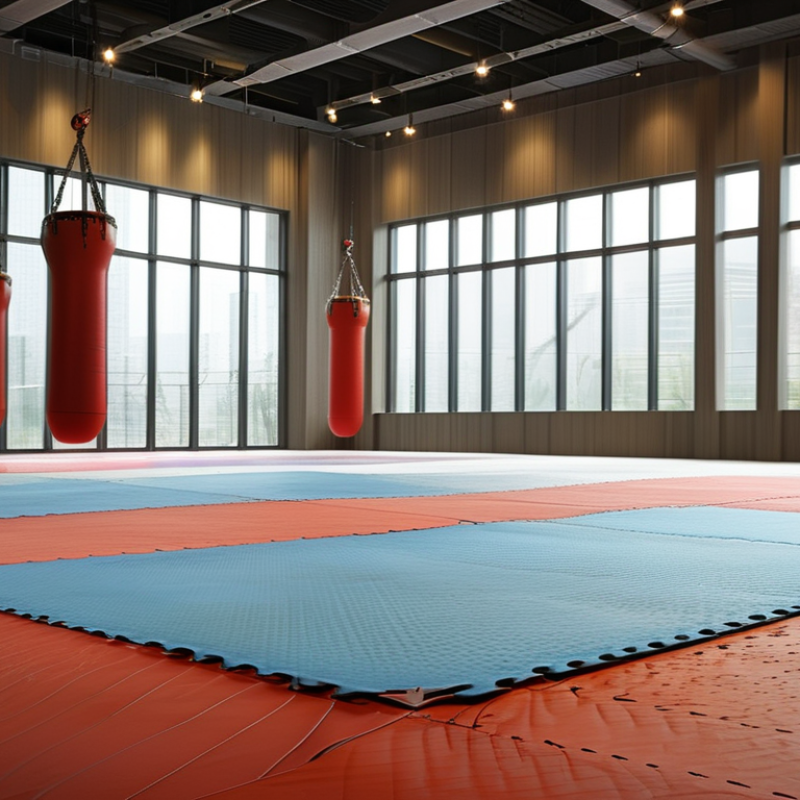
Understanding EVA Interlocking Mats for Taekwondo
Choosing the right EVA interlocking mat for Taekwondo can significantly impact training sessions. EVA, or ethylene-vinyl acetate, offers durability and cushioning. When considering mats, look for thickness. A 20mm mat often provides just the right balance of shock absorption and stability. This is essential for high-impact moves like kicks and jumps.
The surface texture matters too. A non-slip surface ensures that athletes maintain their footing during intense training. Many mats come with interlocking edges, allowing for easy setup and storage. This feature is helpful for dojos with limited space. Keep in mind that color options can also affect your training environment. Bright colors may energize students while neutral tones promote focus.
Another aspect to contemplate is maintenance. Some EVA mats can be easily cleaned, which is critical for hygiene. Yet, others may require specific cleaning methods. It’s important to research which type suits your training style. Evaluate the warranty as well; it reflects the manufacturer's confidence in their product. No mat is perfect, and it's crucial to assess your unique training needs before making a decision.
Key Features to Consider When Choosing EVA Mats
When selecting EVA interlocking mats for Taekwondo, several key features warrant consideration. A critical aspect is density. High-density mats provide better cushioning and shock absorption during high-impact activities. This characteristic is essential for athletes to protect their joints.
Another vital feature is the mat's thickness. Thicker mats often offer greater support and stability for dynamic movements. Texture plays a significant role as well. A surface that provides grip can enhance performance and safety. This is particularly important during fast-paced routines where slipping could lead to injuries.
Ease of assembly and disassembly is another factor. Mats that fit snugly together prevent gaps, which may compromise safety during training sessions.
Pay attention to the ease of cleaning. Mats should be made of materials that are simple to maintain. Hygiene is crucial in any training environment. While these features are essential, it also helps to reflect on personal preferences. Every athlete has unique needs. Sometimes comfort and familiarity with specific materials can outweigh technical specifications.
Evaluation of personal training space is equally important. The right choice can significantly impact performance and safety.
Evaluating Thickness and Density of EVA Mats
When selecting EVA interlocking mats for Taekwondo, thickness and density are critical factors. It’s essential to understand how these features influence performance and safety. Industry reports suggest that mats typically range from 8mm to 20mm in thickness. Thicker mats offer more shock absorption but can be less stable during high-intensity movements. Conversely, thinner mats provide better footing but may compromise comfort during falls.
Density plays a significant role in durability and support. Mats with higher density are generally more robust, resisting compression over time. According to a study conducted by the Sports Safety Institute, mats with a density exceeding 90 kg/m³ tend to have longer lifespans. While these higher-density options are often more expensive, they can offer better long-term value for training facilities.
It’s also important to note that personal preference should not be overlooked. Some practitioners might prefer softer, less dense mats for a more cushioned experience. Testing different mats can be a useful way to determine what feels best during training. Reflecting on personal needs versus technical specifications can lead to a more informed and effective choice.
Assessing Grip and Traction for Safety in Taekwondo
Choosing the right EVA interlocking mat for Taekwondo is crucial for safety. Grip and traction are vital for performance and injury prevention. According to a report by the National Center for Sports Safety, 70% of injuries in martial arts stem from poor flooring choices. Therefore, selecting mats with appropriate grip features can significantly reduce slip hazards.
Consider texture and composition when assessing mats. High-quality EVA should feature a non-slip surface that provides adequate grip during quick movements. Reports show that mats with a coarse texture may offer better traction than smooth surfaces. Unexpected slips can lead to serious injuries, highlighting the need for careful selection.
Grip isn't the only concern; stability is also important. Mats should interlock securely to avoid gaps that could trip practitioners. Evaluate the thickness as well; mats that are too thin may not absorb impact well. A balance between firmness and cushioning is essential for safety and performance.
Consider the following: look for mats with shock-absorbing properties. Prioritize durable materials that can withstand intensive training. Remember, what seems suitable at first glance may not hold up over time. Testing mats before purchase can reveal potential deficiencies. Trust your instincts and choose wisely, as safety must always come first on the training floor.
2026 How to Choose EVA Interlocking Mat for Taekwondo? - Assessing Grip and Traction for Safety in Taekwondo
| Dimension | Value | Description |
| Thickness | 10 mm | Suitable thickness provides cushioning while maintaining stability. |
| Material | EVA Foam | High-density Ethylene Vinyl Acetate for durability and flexibility. |
| Surface Texture | Non-Slip | Enhanced grip to ensure safety during training. |
| Water Resistance | Yes | Prevents water absorption for easy cleaning and maintenance. |
| Interlocking Feature | Yes | Allows customizable mat sizes for different spaces. |
| Color Options | Multiple Colors | Variety of colors to enhance the training environment. |
| Weight | Lightweight | Facilitates easy transportation and setup. |
Maintenance Tips for Your EVA Interlocking Mats
When maintaining your EVA interlocking mats for Taekwondo, it's essential to follow proper care guidelines. Regular cleaning can enhance their lifespan significantly. According to industry reports, mats that receive consistent and careful maintenance last up to 30% longer than those that do not. Using a mild soap and water solution is often recommended for cleaning. Avoid harsh chemicals that can degrade the EVA material.
Consider inspecting your mats regularly for wear and tear. Look for signs of damage, such as cracks or dents. These issues can compromise safety during training sessions. A rubber floor mat, if properly cared for, can provide excellent traction and cushioning, both critical in martial arts.
Clean your mats frequently to prevent dirt accumulation. Dust and grime can make mats slippery. Additionally, storing mats in a cool, dry place can prevent mold growth. Remember, neglecting maintenance can lead to unnecessary replacements, costing you more in the long run. Be mindful of how you treat your mats to ensure they serve you well in your Taekwondo practice.