

Choosing Natural Stretch Fabric for global sourcing requires more than comparing fiber labels or supplier prices. The fabric must perform consistently from sampling to bulk production. Cotton, wool, hemp, and regenerated fibers can provide comfort and breathability. Their stretch often comes from knit construction, fabric recovery, or carefully controlled elastane blends.
During supplier evaluations, inspect fabric rolls under natural light. Check weight, width, surface texture, recovery, and color consistency. A waistband that returns smoothly after ten pulls may perform differently after washing. Request laboratory reports for fiber content, shrinkage, colorfastness, pilling, and restricted substances. These details support reliable decisions, especially when products cross several markets.
Ask suppliers how they control raw materials, dyeing, finishing, and production batches. Experienced teams should explain testing methods clearly, not hide behind vague sustainability claims. Certifications can strengthen verification, but they should match the actual material and intended market. Standards and import requirements may differ between regions, so local compliance checks remain essential.
Natural stretch fabric is not automatically sustainable, durable, or suitable for every garment. That assumption needs reconsideration. A soft fabric may lose shape quickly, while a firmer blend may reduce comfort. Sample testing should include movement, repeated washing, seam stress, and storage conditions. Keep written records of approvals, test results, and corrective actions. Small oversights become expensive when thousands of meters are involved.
This guide examines practical sourcing questions, supplier evidence, performance risks, and responsible selection methods. It aims to help buyers balance comfort, technical reliability, cost, and environmental expectations. The best choice is rarely the cheapest roll. It is the fabric that performs honestly, meets verified requirements, and remains dependable across production.
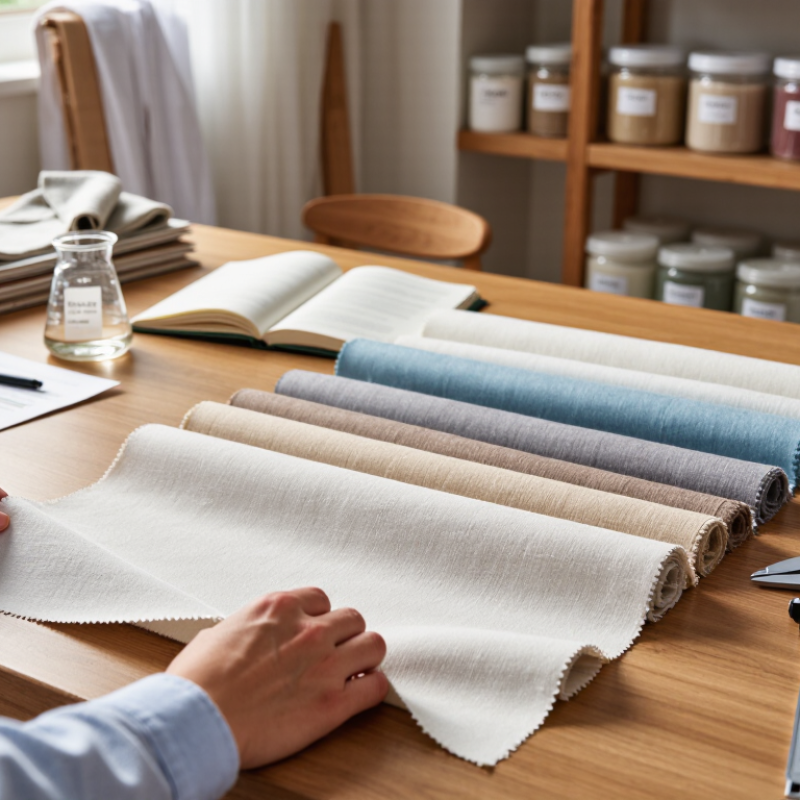
Natural stretch fabric describes textiles that extend and recover without relying entirely on synthetic elastane. The term is not perfectly standardized. Stretch may come from fiber structure, yarn twist, knit construction, or a small natural-rubber component. Cotton provides softness and breathability, but its recovery remains limited. Wool offers better natural resilience because its crimped fibers spring back after movement. Linen and hemp feel cool and strong, yet they usually need knit engineering for comfortable stretch.
Textile Exchange’s Materials Market Report 2024 estimates global fiber production reached 124 million tonnes in 2023. Cotton represented about 22% of production, while wool remained near 1%. These figures show why cotton is easier to source globally, but not always the best stretch solution. For active uniforms, wool blends can deliver recovery and temperature control. For casual trousers, cotton-rich rib or twill fabrics may provide practical movement. Hemp can reduce dependence on conventional cotton, although supply consistency deserves closer checking. I have seen fabric claims sound better than actual recovery tests.
Tips: Ask for fiber percentages, GSM, stretch direction, and recovery results. Request a 24-hour recovery test after repeated extension. Check whether “natural stretch” means fiber performance or simply fabric construction. Compare samples after washing, not only from the cutting table. Small details matter.
Sources: Textile Exchange, Materials Market Report 2024; International Wool Textile Organisation, Market Information.
How to Choose Natural Stretch Fabric for Global Sourcing?
Natural stretch fabric should be selected by product function, not touch alone. A soft cotton jersey may feel comfortable, yet it can lose shape at the knees or neckline. Check stretch percentage in both directions. Then measure recovery after repeated extension. A useful sample test stretches the fabric ten times, rests it for thirty minutes, and records its growth. Recovery matters most for fitted garments, waistbands, and active uniforms.
Weight must match the product’s daily demands. Lightweight fabric suits breathable tops, but it may show seam pressure or body outlines. Medium-weight fabric often supports trousers, skirts, and structured knitwear. Heavy fabric can improve durability, though it may reduce drape and comfort. Ask suppliers for fiber content, fabric width, GSM, stretch direction, shrinkage, and testing tolerances. Request samples from different production lots.
Small details affect global sourcing decisions. A cotton-rich blend may recover better than mechanically stretched linen, but it may not meet a strict natural-fiber requirement. Test the fabric after washing, not only before shipment. Check pilling, color change, seam slippage, and residual growth. One overlooked issue is temperature: a fabric stable in a cool factory may behave differently after warm washing. Specifications should be clear, but not unrealistically narrow. A small tolerance can prevent unnecessary rejection while protecting product performance.
Match Fabric Stretch, Recovery, and Weight to the Intended Product
The chart compares representative fabric constructions commonly used in global apparel sourcing. Stretch shows typical crosswise extension, recovery indicates the percentage of stretch returned after release, and weight is measured in grams per square metre. Higher recovery is generally preferred for fitted garments, while lighter fabrics suit base layers and warm climates.
Choosing natural stretch fabric for global sourcing requires more than checking fiber content. A fabric labeled organic cotton may still contain elastane, dyes, or finishing agents with different compliance requirements. Ask suppliers to state every fiber percentage, processing stage, and production location in writing. Small details matter.
In sourcing work, I have found certification scope more important than certificate logos. Check whether the certificate covers the actual mill, fabric, and transaction period. Standards such as GOTS, OCS, and RCS address different claims, so they should not be treated as interchangeable.
Request current certificates, transaction documents, laboratory reports, and the certifying body’s verification details. Ask for evidence.
Stretch recovery also needs practical testing. Request samples after repeated extension, washing, and drying. Measure growth, softness, color change, and seam behavior. A supplier may provide excellent first samples but inconsistent bulk fabric. That gap deserves attention. I once underestimated how strongly heat affected recovery in a lightweight knit; the test plan was too narrow.
Supplier transparency should include subcontractors, audit dates, corrective actions, and traceability records. Confirm whether the same facility produced the sample and the bulk order. A clear map from farm or recycled source to finished roll improves reliability. Still, transparency is not proof of perfection. Documents can be incomplete, translated poorly, or updated late. Keep an independent testing schedule and record every unanswered question. A supplier willing to discuss weaknesses may be more dependable than one offering flawless paperwork.
Natural stretch fabric should be judged beyond its soft hand feel. In sourcing trials, I check stretch recovery after repeated pulls, not only on a fresh sample. A fabric may feel flexible but lose shape at the knees or waistband. Test GSM, shrinkage, pilling, colorfastness, and seam performance before comparing quotations. Cotton with elastane often offers familiar comfort, while blended fibers may improve recovery and drying speed. Performance depends on the exact composition and knitting process.
Tips: Request three production samples, not one. Measure them after washing. Compare recovery after 24 hours. Ask for current test reports and confirm the testing method. A small mistake here can become expensive later.
Cost also includes freight, inspection, sampling, and rejected rolls. A lower unit price may hide inconsistent width or higher defect rates. Availability matters during seasonal demand. Ask whether the mill holds regular stock or produces only after receiving an order. Minimum order terms can strongly affect smaller buyers. One supplier may accept a low trial quantity but charge more for custom colors. Another may offer better pricing with a larger commitment. I once focused too heavily on the quoted meter price and underestimated inventory pressure. That decision was workable, but not efficient. Compare the full landed cost, lead time, reorder flexibility, and payment terms before choosing. Reliable sourcing usually comes from documented checks, clear specifications, and realistic expectations.
| Fabric Type | Typical Fiber Composition | Typical Weight | Stretch and Recovery | Breathability and Comfort | Durability and Care | Indicative Bulk Cost | Global Availability | Typical MOQ per Color | Typical Lead Time | Suitable Applications |
|---|---|---|---|---|---|---|---|---|---|---|
| Cotton / Elastane Single Jersey | 95% cotton, 5% elastane | 160–220 g/m² | Approx. 25–45% width stretch; good recovery when properly finished | High breathability and soft hand feel | Good everyday durability; wash cold or warm and avoid excessive heat | Approximately US$4–8 per kg | High | Approximately 300–1,000 kg | 45–75 days | T-shirts, underwear, casualwear, children's clothing, fitted tops |
| Organic Cotton / Elastane Jersey | 92–95% organic cotton, 5–8% elastane | 180–240 g/m² | Approx. 25–45% width stretch; good recovery with quality elastane | Soft, breathable, and comfortable next to skin | Good durability; certification and traceability requirements may add cost | Approximately US$6–11 per kg | Medium–High | Approximately 500–1,500 kg | 60–90 days | Premium basics, babywear, underwear, sustainable activewear |
| Hemp / Cotton / Elastane Jersey | 40–55% hemp, 40–55% cotton, 3–5% elastane | 180–260 g/m² | Approx. 20–35% width stretch; moderate recovery | Breathable with a slightly dry, natural hand feel | Strong natural fibers; may soften after repeated washing; avoid high heat | Approximately US$8–14 per kg | Medium | Approximately 500–1,500 kg | 60–100 days | Eco-casualwear, relaxed tops, loungewear, lightweight sweatshirts |
| Linen / Cotton / Elastane Woven | 45–50% linen, 45–50% cotton, 3–5% elastane | 150–220 g/m² | Approx. 10–20% width stretch; limited recovery compared with knits | Very breathable with a cool, dry touch | Good strength but prone to creasing; shrinkage testing is important | Approximately US$7–13 per kg | Medium | Approximately 500–1,000 kg | 60–90 days | Stretch trousers, summer shirts, dresses, skirts, resortwear |
| Wool / Elastane Jersey | 95–98% wool, 2–5% elastane | 180–280 g/m² | Approx. 20–35% width stretch; naturally resilient recovery | Good temperature regulation and moisture management | Good resilience but requires careful washing; pilling tests are recommended | Approximately US$12–25 per kg | Medium–Low | Approximately 300–800 kg | 75–120 days | Base layers, fine knitwear, travelwear, performance suiting |
| Lyocell / Elastane Jersey | 92–96% lyocell, 4–8% elastane | 180–260 g/m² | Approx. 25–45% width stretch; generally good recovery | Smooth, breathable, moisture-absorbent, and drapey | Good comfort and moderate durability; protect from harsh abrasion and high heat | Approximately US$6–12 per kg | Medium–High | Approximately 500–1,500 kg | 60–100 days | Fashion tops, dresses, underwear, soft activewear, loungewear |
| Bamboo Viscose / Elastane Jersey | 92–96% bamboo-derived viscose, 4–8% elastane | 170–240 g/m² | Approx. 25–45% width stretch; recovery depends strongly on elastane quality | Very soft, breathable, and moisture-absorbent | Comfortable but can be less abrasion-resistant when wet; gentle care is advisable | Approximately US$5–10 per kg | Medium–High | Approximately 500–1,500 kg | 60–90 days | Underwear, sleepwear, babywear, soft tops, yoga clothing |
| Silk / Elastane Jersey | 92–95% silk, 5–8% elastane | 100–180 g/m² | Approx. 20–35% width stretch; moderate recovery | Excellent breathability, temperature regulation, and luxurious hand feel | Delicate; sensitive to abrasion, perspiration, harsh detergents, and high heat | Approximately US$18–35 per kg | Low | Approximately 100–300 kg | 75–120 days | Premium underwear, camisoles, dresses, scarves, occasionwear |
| Cotton / Elastane Rib Knit | 92–97% cotton, 3–8% elastane | 220–350 g/m² | Approx. 40–70% width stretch; strong fit retention when stabilized | Breathable with a supportive, body-hugging structure | Good durability; dimensional stability and spirality should be tested | Approximately US$4.50–9 per kg | High | Approximately 300–1,000 kg | 45–75 days | Neckbands, cuffs, fitted tops, leggings, babywear, underwear |
Choosing natural stretch fabric for global sourcing requires more than checking a soft handfeel. Natural fibers can vary by harvest, spinning method, and finishing process. Stretch fibers also affect recovery, shrinkage, and long-term comfort. Request a production-representative sample, not only a polished showroom cutting.
Start with a documented sample review. Record fiber composition, fabric width, GSM, color, stretch percentage, and recovery after repeated extension. Test shrinkage after the specified washing method. Check pilling, colorfastness, seam slippage, and tensile strength through a qualified laboratory. Compare results with the approved specification and destination-market requirements. A small cutting may look perfect.
Production can behave differently.
During bulk manufacturing, inspect greige fabric, dye lots, finishing records, and roll-to-roll consistency. Measure width and GSM across several rolls, then examine defects under controlled lighting. For garments, check stretch direction, panel matching, needle damage, and measurements after washing. Use an agreed sampling plan, such as an AQL procedure, while defining critical defects separately. Keep sealed approval samples and test reports for traceability.
Do not treat one successful test as permanent proof. Natural fabrics may change between seasons, suppliers, or dye lots. I have seen acceptable lab results fail during sewing because recovery was weaker at the seam. That gap deserves investigation, not excuses. Re-test when the yarn, elastane content, dyeing route, or finishing process changes. A failed sample is useful when the team records the cause and corrects it before shipment.