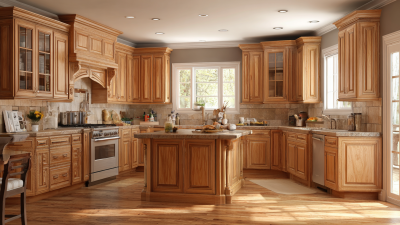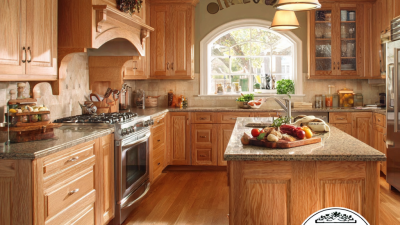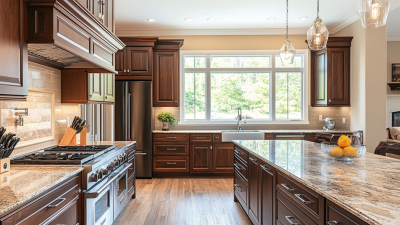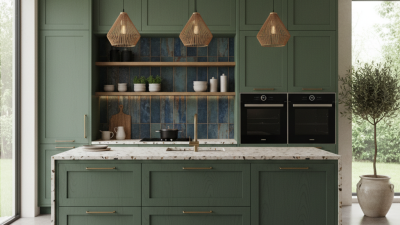

Choosing Oak Kitchen Cabinets for a global project is more than selecting an attractive wood finish. Oak varies in grain, hardness, color, and moisture behavior. These differences can affect appearance, installation, shipping, and long-term performance.
George Nakashima, a respected woodworker and furniture designer, once said, “The woodworker is an interpreter of the tree.” His words remain useful for international cabinet buyers. Oak is not a perfectly uniform material. Every board may show knots, rays, cathedral patterns, or small tonal changes. That character can be beautiful, but it may also create mismatched expectations. A reliable supplier should explain these natural variations before production begins.
Global buyers should examine more than photographs. Ask about solid oak, oak veneer, engineered panels, cabinet construction, moisture content, coating systems, and hardware quality. A sample door can reveal much. Touch the surface. Check the joint lines. Observe how the grain continues around the frame. Confirm dimensions in millimeters, packaging methods, installation drawings, and replacement-part support.
Certification and documentation also matter. Depending on the destination, buyers may need responsible-sourcing records, material declarations, or formal product testing. Requirements differ by market, so professional verification remains important. No checklist is perfect. I have seen attractive samples hide weak edges or unclear specifications. That is why written approvals, inspection photos, and realistic lead times deserve attention.
This guide explores how to compare Oak Kitchen Cabinets with greater confidence. It considers style, construction, durability, maintenance, supplier communication, and total landed cost. The goal is not to find the cheapest option. It is to choose cabinets that remain practical after the excitement of purchase fades.
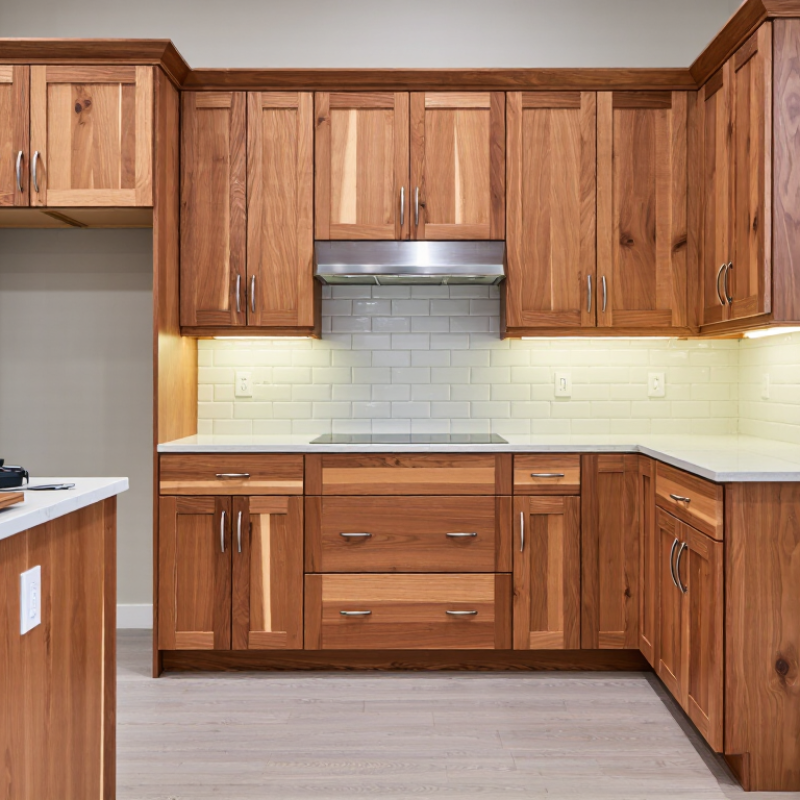
Oak kitchen cabinets begin with wood grade, but grading terms vary between countries. Ask for written definitions, not attractive labels alone. Clear-grade oak has fewer knots and a calmer surface. Select-grade may show small knots, mineral streaks, and natural color changes. These marks are not defects. They can make a kitchen feel more authentic.
Quarter-sawn oak displays straighter grain and stronger fleck patterns. Plain-sawn oak creates wider, lively cathedral shapes. Shaker doors suit practical, modern kitchens, while raised-panel doors add a traditional character. Flat-panel designs look cleaner, but they may highlight uneven grain. Cabinet construction matters just as much. Look for stable plywood boxes, properly sealed edges, and strong dovetail or dowel joints. Solid oak is durable, yet it can expand in humid climates. A veneer over a stable core may perform better. This detail is often overlooked.
Tips: Request a physical door sample before ordering. Check its color in daylight and warm indoor light. Ask about moisture content, finish testing, replacement parts, and installation tolerances. Compare hinge adjustment and drawer movement after repeated opening. Small gaps can reveal poor assembly. I have found that buyers sometimes focus too heavily on grain beauty. That is understandable, but practical details usually decide long-term satisfaction. Grain matching is also imperfect, especially across large doors. Expect variation, and inspect the construction carefully.
Choosing oak kitchen cabinets begins with the room, not the wood grain. Measure wall length, ceiling height, windows, doors, and service points. Record both millimetres and inches for international coordination. A beautiful cabinet can fail when imported appliances need different clearances.
The Houzz 2024 U.S. Kitchen Trends Study reports that 76% of renovating homeowners upgraded their cabinets. Storage decisions deserve equal attention. Count cookware, small appliances, food containers, and recycling bins before selecting door widths. Use deep drawers for pans and frequently used tools. Reserve tall cabinets for brooms, ovens, or dry goods. Leave clear landing space beside cooking and refrigeration zones. It sounds obvious. It is often missed.
The National Kitchen and Bath Association’s 2024 Kitchen Trends Report identifies improved storage and multifunctional layouts as continuing priorities. Oak works well here because its visible grain disguises minor marks, but heavy cathedral patterns may dominate a narrow room. Test a sample beside your flooring and natural light.
Consider corner access carefully; blind corners can waste valuable volume. A practical target is keeping 10–15% cabinet capacity unassigned for future purchases, although this allowance is easy to underestimate. I have seen owners plan perfectly for plates and forget pet food, water filters, or seasonal cookware. That small omission changes the whole layout.
How to Choose Oak Kitchen Cabinets for Global Buyers?
Oak species changes both performance and appearance. The USDA Forest Products Laboratory’s Wood Handbook lists Janka hardness at about 5,730 newtons for northern red oak and 5,990 newtons for white oak. White oak also contains tyloses, which reduce liquid penetration, but it is not waterproof. Red oak usually shows stronger cathedral grain and pinkish undertones. White oak offers straighter grain and a calmer, grey-brown base. These differences become obvious under morning light.
Finish selection deserves practical testing. A clear matte coating preserves oak’s pores and tactile texture, while satin finishes reflect more light and hide minor scratches better. The American Hardwood Export Council identifies oak as a widely available hardwood with stable machining performance, yet regional drying methods still affect movement. Ask for moisture-control records. Do not rely on a showroom sample alone. It may be too small.
Color should match the room’s daylight, not only a digital image. Natural oil can deepen oak’s warmth, while water-based coatings keep pale tones cleaner. White oak with a light stain may look almost blonde beside warm flooring. A wire-brushed surface emphasizes earlywood and latewood, but it can collect grease around busy work zones. The National Kitchen & Bath Association’s recent design research continues to track strong demand for durable, low-maintenance kitchen materials, though “low maintenance” is often overstated. Test one door with coffee, cooking oil, and a damp cloth for seven days. That imperfect test reveals more than a polished brochure.
Oak cabinets should be judged beyond their attractive grain. Experienced buyers inspect moisture content, board thickness, joint strength, and surface consistency. Oak that feels cool and slightly damp may need better kiln drying. Ask for test records, not only verbal promises. Small cracks around joints often signal unstable wood or poor assembly. They can become larger after shipping and seasonal changes.
Hardware deserves equal attention. Open and close drawers repeatedly during sample inspection. Hinges should move smoothly, remain aligned, and support the stated door weight. Check drawer runners for soft closing, load capacity, and replaceable parts. Screws should sit firmly without splitting the oak. A minor detail, perhaps, but it affects daily use. Finish samples under warm and natural light. Color differences are normal, although excessive variation needs clarification before production.
Certifications can support trust, but documents require verification. Confirm the issuing organization, certificate number, scope, and expiration date. Check whether the certification covers the wood, factory, or management system. Supplier standards should include incoming material checks, production records, final inspections, and protective export packaging. Request photos from real inspections and a written tolerance sheet. A polished sample can still mislead. I have seen attractive doors hide uneven edges inside the cabinet. Independent inspections may cost more, yet they expose problems before a full shipment. Regional requirements differ, so confirm installation, safety, and environmental documentation with qualified local professionals.
Global shipping should shape your oak cabinet choice from the beginning. The World Bank’s 2023 Logistics Performance Index assesses 139 economies across customs, infrastructure, tracking, and delivery timeliness. These factors affect arrival dates and handling risks. Ask for export-grade packaging, moisture protection, carton dimensions, gross weights, and clear Incoterms 2020 responsibilities. ISPM 15-compliant wood packaging may also be required for international shipments. Confirm this with your forwarder and destination authorities.
Costs rarely stop at the factory quotation. Include freight, insurance, import duties where applicable, port charges, unloading equipment, local storage, and installation labor. Houzz’s 2024 U.S. Kitchen Trends Study reported a median major-kitchen remodel spend of 55,000 dollars. That figure is not a cabinet price, but it shows how quickly project costs grow.
Oak also needs acclimatization before fitting. Measure wall moisture and floor levels, then allow adjustment space around doors and panels. Small errors become visible every morning.
After-sales support must be practical, not decorative. Request replacement-part procedures, installation drawings, finish codes, and response timelines. Keep photos of cartons before opening them. This helps separate shipping damage from installation mistakes.
Remote troubleshooting can work, but not always. A local installer may interpret drawings differently, so translated instructions and video guidance matter. I would also test one sample door before approving a large shipment; confidence without inspection is expensive.