How to Choose the Best Electric Bike for Your Needs?
Choosing the right Electric Bike can be overwhelming. With so many options available, how do you find the one that meets your needs? Electric bikes come in various styles, each designed for different purposes. Some are perfect for commuting, while others excel in off-road adventures.
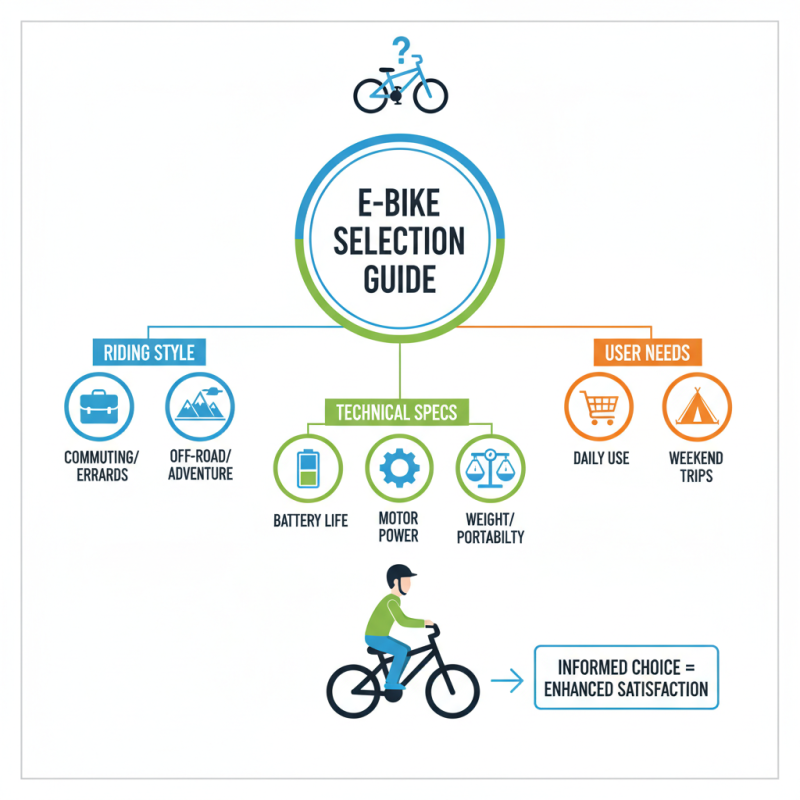
Consider factors like battery life, motor power, and weight when selecting your electric bike. These elements significantly impact your riding experience. A bike with a powerful motor can climb hills more easily, but it’s essential to balance power with efficiency. Additionally, the bike's weight can affect portability and handling.
Reflect on your riding habits. Do you need something for daily errands or weekend trips? Each need may lead you to a different electric bike. Understanding your own requirements will guide your decision and enhance your overall satisfaction. Investing time in this process can save you from future regrets.
Understanding Your Riding Style and Terrain Preferences
When choosing an electric bike, understanding your riding style is crucial. Consider how you plan to use the bike. Will you be commuting in the city or tackling rugged trails? Each style requires different features. Urban riders might prioritize lightweight frames and compact designs for easy maneuverability. Mountain bikers will need stronger motors and durable tires.
Terrain also plays a significant role. Smooth roads demand different specifications compared to hilly landscapes. You should think about the battery life suitable for your terrain. Flat areas allow for smaller batteries, while hills often require more powerful systems. Pay attention to suspended systems if your rides involve bumps and dips. A solid suspension can make a huge difference in comfort.
Reflect on your experience level, too. Beginners may prefer bikes with simpler controls, while advanced riders might seek more customizable features. Don't shy away from test riding multiple options. It helps gauge comfort and fit. Ideally, choose a bike that resonates with your unique style, but remember to identify any potential limitations. The perfect bike may not exist, but understanding your needs will lead you closer to the right choice.
Evaluating Different Types of Electric Bikes: Features & Benefits
When evaluating different types of electric bikes, features and benefits play a crucial role. One aspect to consider is the motor type. There are hub motors and mid-drive motors. Hub motors are often quieter and require less maintenance. However, mid-drive motors provide better weight distribution and performance on steep hills.
Battery capacity is another essential feature. A larger battery offers more range but adds weight. Riders should assess their daily commuting distance to choose wisely. The frame style also matters. Step-through frames are easier to mount but may lack the rigidity of traditional frames. Comfort can be influenced by the saddle and handlebar height too.
It’s worth noting that not every bike fits every rider. Some may find a throttle-based model easier to use. Others may prefer pedal-assist for a more natural ride. Reviews can help, but personal testing is invaluable. A bike’s feel can significantly affect your enjoyment and safety. Exploring all options will lead to a more satisfying choice.
How to Choose the Best Electric Bike for Your Needs? - Evaluating Different Types of Electric Bikes: Features & Benefits
| Type of Electric Bike | Range (Miles) | Max Speed (MPH) | Weight (lbs) | Price ($) | Key Features |
| Commuter E-Bike | 30 | 20 | 50 | 1200 | Lightweight Frame, Built-in Rack, Comfortable Seat |
| Mountain E-Bike | 40 | 25 | 60 | 2500 | Robust Suspension, Off-road Tires, High Torque Motor |
| Folding E-Bike | 20 | 15 | 35 | 800 | Compact Design, Easy Storage, Lightweight |
| Cargo E-Bike | 50 | 20 | 70 | 1800 | Large Cargo Capacity, Durable Frame, Extra Stability |
Assessing Battery Life and Range: Key Factors in Your Decision
When choosing an electric bike, battery life and range are crucial factors. Studies show that the average range for e-bikes hovers around 20 to 50 miles on a single charge. Riders need to assess their daily commuting distance to ensure the bike meets their needs. If you frequently travel longer distances, a bike with a higher capacity battery is essential.
Battery capacity is often measured in watt-hours (Wh). A bike with a 500Wh battery typically allows for a range of about 35 to 50 miles. However, various factors like terrain, rider weight, and assist level significantly affect performance. For instance, steep hills can deplete battery life faster than flat terrain. This inconsistency can be frustrating for new users.
The choice of battery type also matters. Lithium-ion batteries are the most common due to their efficiency and longevity. However, even the best batteries can degrade over time, with some researchers suggesting a performance drop of about 20% after 2-3 years. Regular maintenance can help mitigate this but may require extra effort from the rider. Evaluating these elements carefully allows for a more informed decision in selecting an electric bike tailored to one's unique requirements.
Comparing Motor Power and Speed Options for Electric Bikes
When comparing motor power and speed options for electric bikes, it’s crucial to understand your riding needs. Motor power typically ranges from 250W to 750W. A 750W motor offers better hill-climbing capabilities, making it suitable for steep terrains. Meanwhile, a 250W motor is sufficient for flat city rides, promoting efficiency and less battery drain.
Speed is another vital consideration. Most e-bikes can reach between 15 to 28 miles per hour. A higher speed may seem appealing, but it often comes with trade-offs. Faster bikes usually deplete their batteries more quickly. Reportedly, many riders find that speeds averaging 20 miles per hour meet their commuting needs without overwhelming battery life. An important study indicates that about 56% of e-bike users prefer moderate speeds for safety and comfort.
Lastly, reviewing available battery options is essential when gauging these specifications. A more powerful motor can demand a larger battery, weighing the bike down. Some cyclists feel overwhelmed by too many choices. Not every bike suits every rider. Assessing your habits, routes, and bike weight ensures a smarter decision. Taking the time to reflect on these elements can lead to a better electric biking experience.
Motor Power and Speed Options for Electric Bikes
Budget Considerations: Cost vs. Quality in Electric Bike Selection
When considering an electric bike, budget plays a crucial role. The cost of electric bikes varies significantly. You can find models priced from a few hundred to several thousand dollars. This wide range can be overwhelming. However, it’s essential to balance cost with quality.
Lower-priced bikes often compromise on key features. You might find inferior batteries or weaker motors. This can lead to shorter lifespans and limited performance. Investing in a higher-quality bike may cost more upfront. Yet, it can provide better durability and a superior riding experience in the long run. Quality components, such as reliable brakes and sturdy frames, often justify the price.
Think about how you will use the bike. Casual riders may not need high-end features. However, serious cyclists should consider investing in a top-tier bike. It’s wise to read reviews and seek expert opinions. Look for feedback from actual users. Understanding the long-term value versus the initial cost is vital for making the best choice.