

Global Grape Jelly sourcing rarely fails because of one dramatic mistake. More often, small gaps accumulate. A vague grape specification can create uneven color, weak flavor, or unstable texture. A delayed sample may disrupt an entire retail launch. This guide examines ten practical sourcing tips for international buyers, from supplier verification to shipment planning.
Dr. Kantha Shelke, a food scientist and food industry consultant, has said, “Ingredient transparency earns trust before the first taste.” That principle matters when evaluating Grape Jelly. Buyers should request the grape variety, fruit percentage, sweetener details, pectin type, acidity range, and processing method. Laboratory reports should support these claims. Product samples should be tested under realistic storage conditions, not only tasted in a meeting room.
Look closely at the factory, too. Ask about batch records, allergen controls, sanitation routines, and traceability drills. Confirm whether the supplier can maintain the same color across seasonal harvests. Packaging deserves equal attention. Glass jars may improve shelf presence, while lightweight containers can reduce freight weight. Neither choice is automatically better.
Some assumptions will be wrong.
A low price may hide inconsistent fruit quality or expensive relabeling work. A famous supplier may still lack flexibility for smaller orders. Buyers should compare quotations using total landed cost, not unit price alone. Currency movement, port delays, insurance, duties, and local compliance can change the final result. These ten sourcing tips offer a practical framework, but careful questioning remains essential. Grape Jelly is simple on the breakfast table. Sourcing it well is not.
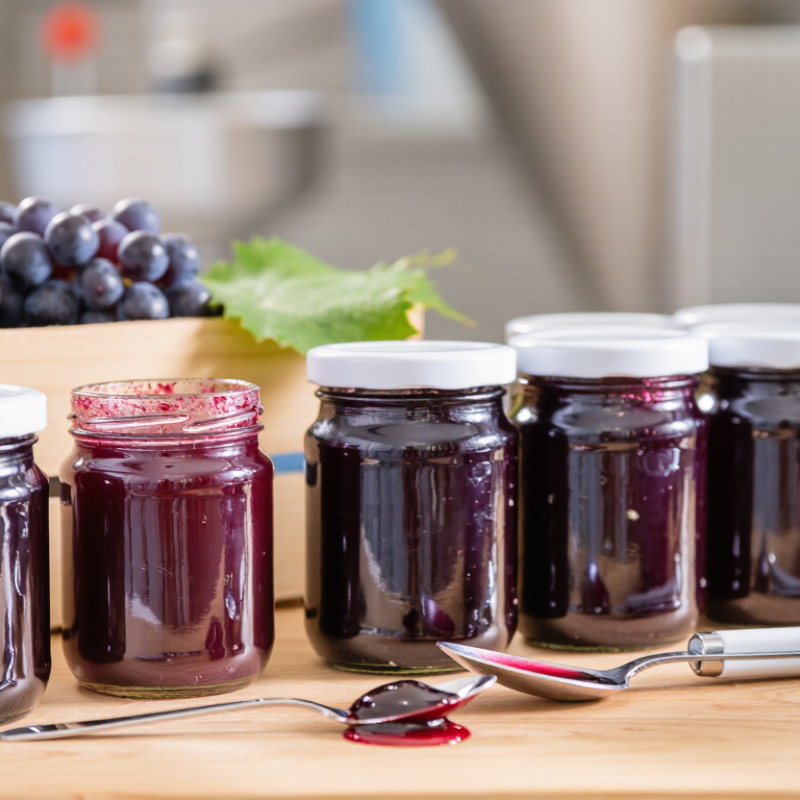
Before contacting suppliers, define what “grape jelly” must deliver. Specify grape variety, fruit concentration, color range, flavor profile, and texture. Codex Standard CXS 296-2009 offers a useful reference for soluble solids, often near 65° Brix. However, local labeling rules may differ. Confirm them before approval.
FAOSTAT production data shows global grape output remains above 75 million tonnes annually. This broad supply base does not guarantee consistent jelly quality. Harvest timing, cultivar, juice clarification, and storage can change acidity and aroma. Set measurable targets for pH, Brix, viscosity, gel strength, and moisture. Request three recent batch samples, not one attractive sample. That small detail matters.
Tip: Write acceptance limits, not vague words like “premium” or “natural.” Define a pH range, minimum fruit content, permitted ingredients, pack size, closure type, and shelf-life target. Also state whether the product serves retail, foodservice, or industrial filling. Different users need different spoonability and heat stability.
Tip: Align sourcing objectives with evidence. Ask for certificates of analysis, traceability records, allergen statements, microbiological results, and packaging specifications. The FDA’s Food Code and Codex hygiene principles support preventive controls, but buyers should still verify supplier practices independently. A document can look complete and still miss a real production risk. I would also test a retained sample after transport. Temperature abuse is easy to overlook.
Evaluating Global Suppliers, Certifications, and Production Capacity
Global grape availability can look reassuring. FAOSTAT data place annual grape production above 75 million tonnes in recent years. Yet jelly production depends on variety, sugar content, harvest timing, and processing access. Ask suppliers for origin records, seasonal calendars, soluble-solids data, and recent laboratory results.
Tip one: verify the fruit source.
Tip two: compare brix levels.
Tip three: request three years of supply history.
Capacity matters more than attractive quotations.
A capable supplier should disclose factory location, cooking-line capacity, minimum order quantity, batch size, and backup equipment. Request production records from peak season. Check whether stated capacity means theoretical output or finished jelly shipped. That difference is often overlooked.
Tip four: inspect utilization rates.
Tip five: confirm packaging-line speed.
Tip six: test lead-time performance.
FAO’s State of Food and Agriculture reports that 13.8% of food is lost before retail, making storage and transport controls important. Ask for warehouse temperatures, seal checks, and shipment-loss records.
Certifications should match the destination market. Look for a valid ISO 22000 or other GFSI-recognized food-safety certification, plus HACCP evidence and traceability exercises. Verify the certificate number directly with the issuing body. A certificate is not proof of perfect performance. Review audit findings, corrective actions, allergen controls, and recall procedures.
Tip seven: audit the site.
Tip eight: test traceability.
Tip nine: check labor and environmental documentation.
Tip ten: approve a pilot shipment.
My own caution is simple: impressive paperwork can still hide weak communication and inconsistent batches.
Comparing Ingredients, Quality Standards, Packaging, and Prices
Check the ingredient list before discussing price. Grape content, sweeteners, pectin, acidity regulators, and preservatives affect both taste and cost.
Ask whether the grape base is juice, concentrate, or purée. These forms behave differently during cooking and storage.
Request recent laboratory reports for sugar level, acidity, microbiological safety, and contaminants. A polished specification sheet is not enough.
Compare quality standards carefully. Confirm production-site certifications, traceability procedures, allergen controls, and batch records.
Request samples from different production lots. One jar can hide inconsistent color, texture, or flavor.
Review packaging strength, seal quality, label durability, and carton protection. Glass may look premium, while plastic can reduce transport weight and breakage.
Test the closure after opening. It should resist leakage without requiring excessive force.
Compare prices using the same unit, such as cost per kilogram or finished jar. Include freight, duties, testing, packaging, and possible storage losses.
Clarify minimum order quantities, lead times, payment terms, and price-adjustment clauses. Low prices can become expensive when delivery slips.
Discuss shelf-life evidence under realistic temperatures. I have seen products pass initial checks but lose texture after long transport. Buyers should document every comparison, although some evaluations still depend on local consumer taste.
Global grape jelly buying starts with a sample that reflects real production, not a carefully selected jar. Request two or three batches, with lot codes, filling dates, and storage notes. Check color, fruit particles, viscosity, sweetness, and seal strength after transport. I also taste samples at room temperature and after refrigeration. Small differences matter. Keep a written scorecard. A rushed sensory decision can create expensive corrections later.
A clear contract should identify grape variety, soluble solids, acidity range, texture, packaging, shelf life, and permitted additives. Define inspection points, retention samples, claims timing, and replacement procedures. Translate every quality term into measurable language. “Good consistency” is weak. Specify acceptable separation, weight tolerance, and seal performance. Require production records and documents matching the shipment. One lesson from past purchasing is uncomfortable: verbal promises disappear when staff changes. I now confirm every exception by email. Still, a perfect contract cannot rescue vague internal approvals.
Plan logistics before production. Confirm pallet dimensions, container conditions, temperature limits, and moisture protection. Jelly may not need refrigerated transport, but heat can damage texture and seals. Ask for carton drop-test results and loading photographs. Import requirements vary by destination. Check ingredient declarations, allergen statements, origin data, customs codes, and required health documents with a qualified local adviser. Leave time for port inspection. A delayed document can outlast the planned delivery window. Build a contingency plan, even when the forecast looks reliable.
Global grape jelly sourcing starts with a supplier you can examine, not merely admire.
Verify processing capacity, fruit origin, and export experience. Request current product specifications and recent certificates of analysis. Confirm sugar content, texture, color, packaging, and shelf-life targets. Test a retained sample under normal warehouse conditions. Keep records. A polished sample can still hide inconsistent batches.
Build reliability through practical contact. Define inspection points in the purchase agreement, including batch approval and deviation reporting. Audit production areas, temperature logs, sanitation routines, and traceability codes. Map every handoff from fruit intake to container loading. Require early notice for crop shortages, equipment failures, or formulation changes. Our process once relied too heavily on email promises. That was a weakness.
Control shipping risk with sealed cartons, moisture protection, and agreed loading photographs. Check container conditions before loading and monitor estimated arrival dates. Qualify a secondary supplier before disruption occurs, even if its initial price is higher. Review delivery accuracy, complaint rates, test results, and response speed each quarter. Use corrective action plans with deadlines and named owners. Trust matters, but evidence protects both sides. No audit is perfect. Periodic reassessment remains necessary.