

How to Choose the Best Car Rooftop Tent in 2026?

Choosing the best Car Rooftop Tent in 2026 starts with your vehicle, not the tent’s color or marketing claims. Check your roof’s rated load, crossbar spacing, and the tent’s packed weight before comparing models. A heavy tent can affect handling, fuel use, and everyday convenience. Measure twice. A few minutes with your vehicle manual can prevent an expensive mismatch.

Overlanding educator Scott Brady has emphasized a useful principle: “The best vehicle is the one you have.” That idea applies to rooftop tents, too: choose equipment that suits your actual vehicle and the trips you take, rather than an imagined expedition. For weekend drives on paved roads, quick setup and a comfortable mattress may matter most. For longer trips, consider weather resistance, ventilation, ladder stability, and where your bedding will go when the tent closes. Open the tent in your driveway. Notice how much space the ladder needs.

This guide will compare hard-shell and soft-shell designs, materials, mounting systems, comfort, and value. It will also look at details shoppers sometimes overlook, such as condensation on a cold morning or a cover that is awkward to secure in wind. Product specifications are useful, but they do not tell the whole story. A tent that works beautifully for one vehicle may feel cumbersome on another. Some trade-offs are unavoidable. The right choice is the one you can mount safely, set up confidently, and use often.
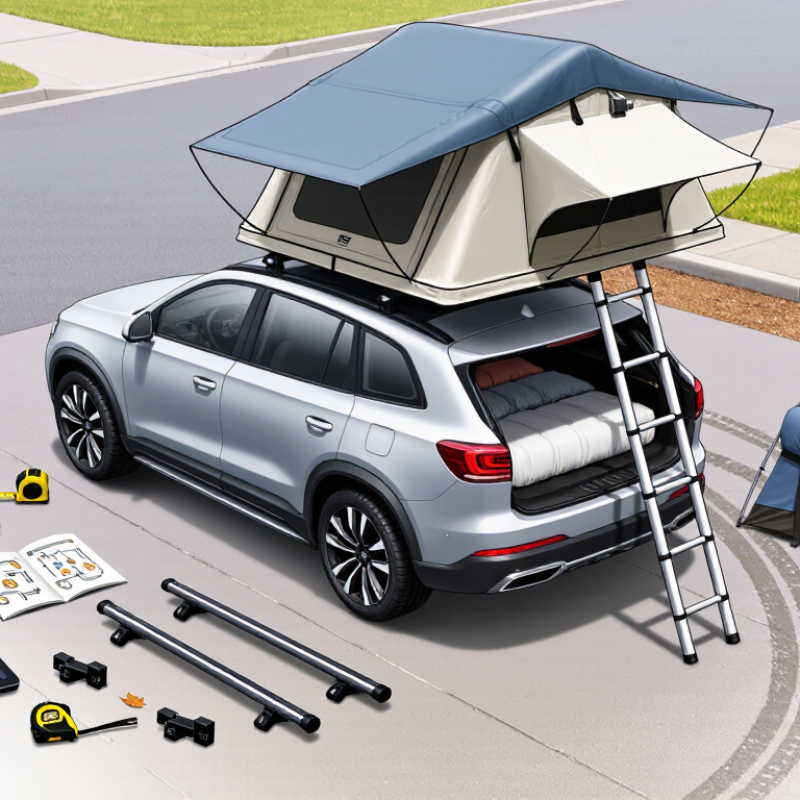
How to Choose the Best Car Rooftop Tent in 2026?

Understand Rooftop Tent Types and How They Fit Your Travel Plans

How to Choose the Best Car Rooftop Tent in 2026?

A rooftop tent changes where you sleep, but the right style depends on how you travel. Hard-shell tents usually open quickly and pack into a compact shape. They suit frequent road trips, short stops, and travelers who value a faster setup. Their rigid shells can add weight and height, though. That matters in low garages and on vehicles with limited roof capacity.

Soft-shell tents often offer more room for the price and may suit families or longer stays at one campsite. They typically take more time to unfold and may need extra care when packing away damp fabric. But setup takes practice. Some hybrid designs combine a rigid base with fabric sides, so compare their packed dimensions and opening method rather than relying on labels alone.

Match the tent to your actual trips. For overnight stops, a quick-opening model can make late arrivals less tiring. For a week in one place, interior space and a useful covered entry may matter more.

Before buying, check your vehicle’s roof-load limits, crossbar compatibility, and the tent’s installed weight. Follow the vehicle and tent manufacturers’ instructions; roof-load ratings can differ when parked versus driving. I would also test the ladder and sleeping layout at home. A tent can look roomy online, yet feel cramped beside a bulky sleeping bag.

Check Vehicle Compatibility, Roof Load Limits, and Mounting Systems

Choosing the best car rooftop tent starts with the vehicle, not the tent. Check the owner’s manual for the permitted roof load and whether it applies while driving. The moving load includes the tent, rack, crossbars, and anything carried on top. Use the lowest rated limit among these parts. A common “75 kg” figure is not universal. Small gaps matter.

Next, match the mounting system to your roof. Raised rails, flush rails, fixed points, and bare roofs need different hardware. Measure crossbar spacing and check that clamps fit the bar’s shape. Open each door and the rear hatch; confirm the tent will not block them or contact a sunroof.

ISO 11154:2023 sets requirements and test methods for road-vehicle roof load carriers, but it does not approve every vehicle-and-tent combination. Check both vehicle and rack instructions. Do not guess.

Finally, distinguish driving limits from parked limits. A roof may support more weight when stationary, but only use a static rating confirmed by the vehicle or rack maker. Tighten fasteners to the specified torque, then recheck them after the first short drive. Even careful measuring cannot reveal every fit issue; a test installation can catch awkward clamp access or unexpected roof flex before a trip.

Compare Tent Materials, Weather Protection, Space, and Setup Time

When comparing rooftop tents in 2026, start with the fabric and frame, not the catalog photos. A coated, tightly woven fabric can resist light rain and sun, while heavier canvas often feels quieter and more substantial. Neither choice is perfect. Check the seams, zipper covers, and floor; a firm surface feels more supportive beneath a sleeping pad.

Weather protection needs more than a waterproof rating. Look for a rainfly that extends over doors and windows, plus ventilation that releases warm, damp air overnight. Condensation can collect inside on a cold morning, even when rain stays out. That detail is easy to overlook. Test it dry. Read the care instructions and inspect the stitching after trips, since neglected coatings may wear sooner than expected.

Choose space for the people and bedding you actually bring. Measure the mattress area, then allow room for a jacket, headlamp, and water bottle near the entrance. Setup time matters after a long drive. Practice opening and closing the tent at home, and check whether the ladder, cover, and packed shell feel manageable. Wind, uneven parking, or stiff hardware can slow a supposedly quick setup. Compare real dimensions and setup steps before trusting a roomy photo or polished promise.

Evaluate Safety, Comfort, Durability, and Essential Features

Choosing a rooftop tent starts with safety, not color or clever extras. Check your vehicle manual for roof-load limits, then compare them with the tent’s weight and mounting system. A parked vehicle may carry more weight than it can safely handle while moving, so confirm both ratings. Inspect the rails, clamps, and ladder before each trip. Fit matters. Keep the tent clear of antennas, sunroofs, and low branches.

Comfort depends on details you can feel. A supportive mattress helps, but ventilation matters just as much on damp nights. Look for windows with mesh, rain covers, and seams that appear firmly sealed. Ask how the fabric handles sun exposure and repeated folding. A heavy shell may feel reassuring, yet it can make installation harder. I once underestimated that trade-off; it is easy to focus on sleeping space and forget lifting.

Durability shows in hinges, zippers, stitching, and replaceable parts. Open and close the tent several times before buying, if possible. Check that the ladder locks securely and that stored bedding will not obstruct closure. Useful features include interior pockets, a dependable entry cover, and a cover that protects the tent during travel. Avoid paying for extras you will rarely use. Some specifications still feel confusing, so seek clear load and care instructions before deciding.

How to Choose the Best Car Rooftop Tent in 2026? — Evaluate Safety, Comfort, Durability, and Essential Features
Evaluation Area What to Check Practical Guidance Why It Matters
Vehicle and rack capacity Vehicle roof-load limit, rack load rating, tent weight, and mounting-system limits. Check the vehicle and rack manuals. Compare the tent’s installed weight with the applicable dynamic roof-load limit; do not assume the rack rating overrides the vehicle limit. A roof system must stay within the limits of every component. Dynamic load while driving and static load while parked are different ratings.
Mounting and stability Compatible crossbars, secure clamps or brackets, locking hardware, and clear installation instructions. Confirm bar spacing and roof compatibility before buying. Recheck fasteners after installation and follow the maker’s inspection schedule. Correct fit and properly secured hardware help reduce shifting or detachment during travel.
Occupant capacity Interior dimensions, stated sleeping capacity, platform rating, and ladder rating. Check the published load limits and usable sleeping area, not just the advertised person count. Include bedding and other gear where the instructions require it. A capacity label alone does not show whether occupants will have enough space or whether all components are rated for the intended load.
Weather protection Rainfly coverage, fabric specifications, sealed seams, floor construction, and protected door and window openings. Look for clear water-resistance details and instructions for setting up the rainfly. Check that the design sheds water away from doors and ventilation openings. Fabric ratings alone do not guarantee a dry interior; seams, zippers, setup, and rainfly design also affect performance.
Ventilation and condensation Mesh windows, adjustable vents, breathable fabric panels, and airflow when the rainfly is fitted. Prefer openings that can be adjusted for weather while maintaining insect protection. Ventilate the tent when conditions allow. Occupants release moisture while sleeping, and limited airflow can contribute to condensation inside the tent.
Sleeping comfort Mattress dimensions and support, sleeping position, interior headroom, and space for bedding. Compare the interior measurements with the users’ height and preferred sleeping positions. Check whether added bedding affects closing or storage. A tent’s stated capacity may not reflect the comfort or sleeping space different users need.
Materials and durability Fabric and coating details, reinforced stress points, zipper quality, frame construction, and corrosion-resistant hardware. Review care instructions and replacement-part availability. After trips, dry the tent fully before storing it and inspect seams and hardware regularly. UV exposure, moisture, abrasion, and repeated setup can wear materials and fittings over time.
Setup and packing Opening and closing steps, ladder deployment, packed dimensions, and whether bedding can remain inside when closed. Compare the packed size with garage, parking, and vehicle-height constraints. Practice setup and packing before the first trip. A tent that is difficult to handle or too tall for regular parking may be less practical for frequent use.
Road use and vehicle clearance Closed height, total vehicle height, wind exposure, and any stated travel-speed guidance. Measure the vehicle with the tent installed and follow the product’s travel instructions. Allow extra clearance for garages, branches, and low structures. Roof-mounted equipment changes vehicle height and can affect wind noise and fuel use.
Essential accessories and support Included ladder, mounting hardware, rainfly, storage cover, clear warranty terms, and service or replacement-part support. Confirm exactly what is included and whether any required rack or mounting parts are sold separately. Read warranty exclusions before purchase. Included equipment and after-sales support affect total cost and the ability to maintain the tent over time.

Note: Always follow the vehicle, roof-rack, and tent manufacturers’ load limits and installation instructions. Specifications vary by model and vehicle.

Compare 2026 Prices, Warranties, and Long-Term Ownership Costs

In 2026, compare rooftop tents by the full invoice, not the sale tag. Prices vary with tent size, shell design, mattress, and mounting hardware. Ask sellers to separate freight, crossbars, installation, and taxes in a written quote. Hard-shell designs often cost more upfront. Some save setup time; others add weight and may affect fuel use. Check your vehicle manual’s roof-load limit before buying. That matters. I would be cautious about treating the lowest quote as the best deal; a missing mounting kit can change the real cost.

Compare warranties by coverage, not just duration. Check whether fabric, zippers, hinges, and hardware are included, and whether labor or shipping is covered. Read the exclusions. A long warranty may still exclude wear, water intrusion, or damage linked to improper installation. For ownership costs, budget for periodic cleaning, seam care, replacement parts, and secure off-season storage. Also consider the added fuel expense from carrying a tent year-round. Keep receipts and installation records; they may help if you need warranty service. I would not pretend these costs are identical for every vehicle or climate. Request the current written warranty and price breakdown before placing an order.