2026 How to Choose Wpc Floor Decking for Your Project?
Choosing the right Wpc Floor Decking for your project can significantly impact your overall satisfaction and results. According to a recent report by the National Association of Home Builders, composite decking, including WPC materials, has grown in popularity by over 25% in recent years. This rise is attributed to its durability, low maintenance, and aesthetic appeal. However, selecting the ideal WPC floor decking requires careful consideration of multiple factors, including material quality, design, and environmental impact.
Many consumers underestimate the importance of understanding the specific characteristics of WPC decking. Not all WPC products are created equal; variations in wood fiber content and plastic ratios can lead to significant differences in performance. A comprehensive study indicates that high-quality WPC decking can last up to 25 years if properly maintained, while lower-quality options may deteriorate after just a few seasons. Reflecting on previous project experiences can help avoid costly mistakes when choosing the best option.
Ultimately, the decision should align with your personal preferences and project requirements. Failing to invest adequate time in research could lead to unsatisfactory outcomes. Consider seeking expert opinions or verified reviews to inform your choices effectively. By doing so, you can ensure your investment in WPC floor decking yields the desired quality and longevity.
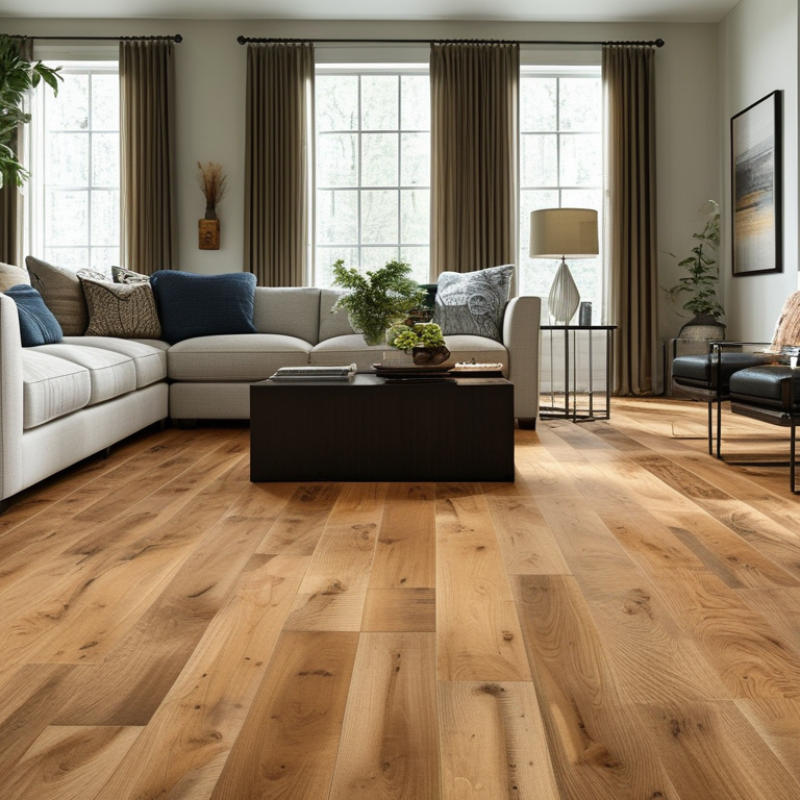
Understanding WPC Floor Decking: Definition and Benefits
WPC (Wood Plastic Composite) floor decking is becoming increasingly popular for outdoor projects. This material combines wood fibers with plastic to create durable and aesthetically pleasing surfaces. One of the key benefits of WPC decking is its resistance to moisture and decay. Many homeowners appreciate that it won't splinter or warp over time, making it safer for families.
In addition to durability, WPC decking is low-maintenance. Unlike traditional wood, it requires less frequent staining or sealing. This can save both time and money. However, potential buyers should be aware that while WPC decking has many advantages, it can be prone to fading in direct sunlight. UV protection may be necessary to maintain its color.
Choosing the right WPC flooring can also be a challenge. With various textures and colors available, it's crucial to select a design that complements the space. Consider the overall aesthetic of the environment and how the decking will be used. Some products may offer warranties, which can indicate quality but shouldn't be the sole factor in decision-making.
2026 How to Choose WPC Floor Decking for Your Project?
| Feature | Description | Benefits |
| Material Composition | Wood Plastic Composite (WPC) is made from a blend of wood fibers and thermoplastics. | Combines the natural aesthetics of wood with the durability of plastics. |
| Durability | Resistant to rot, mold, and insect infestations. | Long lifespan with minimal maintenance required. |
| Environmental Impact | Made from recycled materials and is recyclable. | Eco-friendly option for sustainable construction projects. |
| Aesthetic Variety | Available in a range of colors, textures, and finishes. | Can suit various design styles and preferences. |
| Installation | Simplified interlocking systems and pre-cut options. | Reduces labor time and installation costs. |
| Cost | Mid-range pricing compared to traditional wood and composites. | Economical choice with great value over time. |
Types of WPC Floor Decking: Materials, Styles, and Designs
When selecting WPC floor decking for your project, understanding the various types is crucial. Wood-plastic composite (WPC) materials are made from a blend of wood fibers and plastic. This combination offers durability and resilience. According to a report by Grand View Research, the global WPC market is expected to reach $9.6 billion by 2027, driven by an increasing demand for sustainable materials.
The styles and designs of WPC decking can vary widely. Options range from classic wood looks to modern, sleek finishes. Many products now include textures that mimic natural wood grain, providing an aesthetic appeal without the required maintenance of real wood. A 2022 report by the Freedonia Group showed that design versatility is a major factor influencing buyer preferences. It highlighted that 35% of consumers prioritize appearance in their choice of decking.
While WPC decking boasts numerous advantages, there are challenges too. Some products can fade over time due to UV exposure. This is essential to consider for outdoor projects. Additionally, not all WPC materials are created equal; the quality can vary significantly between manufacturers. Some decking may have a shorter lifespan due to inferior materials. Conducting thorough research can help navigate these inconsistencies.
Factors to Consider When Choosing WPC Floor Decking
When selecting WPC floor decking for your project, several factors can influence your decision. One of the key considerations is durability. WPC, or wood-plastic composite, offers a blend of wood and plastic, creating a material resistant to moisture and insects. Evaluate the thickness and density of the decking. Thicker and denser options often provide better stability and longevity. Additionally, consider the climate in your area, as extreme temperatures can affect material performance.
Aesthetics play a crucial role as well. Look for colors and finishes that align with your design vision. Some WPC products mimic natural wood, offering an attractive option without upkeep. It's worth examining samples in natural light to gauge how they complement your existing decor. Be mindful of slip resistance, especially in outdoor settings. A slip-resistant surface enhances safety, particularly in areas exposed to rain.
Lastly, installation methods vary. Some products feature interlocking systems, making them easier to install. If you prefer DIY projects, seek user-friendly options. However, remember that some materials may require special tools or techniques for installation. Weigh your expertise against the product requirements to avoid potential challenges. Consider seeking guidance from professionals to ensure your choices align with industry standards.
Installation Processes for WPC Floor Decking: Requirements and Tips
When embarking on a WPC floor decking project, it’s essential to understand the installation process thoroughly. Start by preparing the area. Ensure the ground is level and clean. If you’re installing over concrete, consider a moisture barrier to prevent damage. Proper foundation is key to longevity.
Next, familiarize yourself with the tools required for installation. A reliable saw, drill, and measuring tape will be crucial. Measure the decking pieces accurately. Cut them carefully to avoid uneven edges. During installation, maintain consistent gaps between boards for expansion and contraction. This step can be overlooked, but it significantly affects your floor’s durability.
Don’t forget about climate considerations. Extreme heat or cold can influence the material’s performance. Additionally, be prepared for potential mistakes. Errors in cuts or spacing can occur. Reflecting on these issues helps refine your technique. Overall, while WPC decking can enhance your space, meticulous planning and execution will yield the best results.
WPC Floor Decking Installation Process: Key Factors and Requirements
Maintenance and Care for Longevity of WPC Floor Decking
Maintaining WPC floor decking is crucial for its longevity. Regular cleaning is essential to prevent dirt and grime buildup. Use a broom or vacuum to remove dust. Occasionally, wash the decking with mild detergent and water. This simple step can prolong its lifespan significantly.
Inspect the decking regularly for any signs of wear. Look for scratches, dents, or discoloration. Address these issues early to avoid further damage. If the surface becomes slippery, consider using a non-slip coating to enhance safety. Ensure you follow manufacturer guidelines for any treatments you apply.
Environmental factors also play a role in WPC decking maintenance. UV rays can fade colors over time. Therefore, placing furniture or planters can help mitigate this effect. Remember, while WPC is low maintenance, proactive care can prevent costly repairs. Stay vigilant and take small steps to maintain your decking.