How to Source Quality Fish Specimens Worldwide?

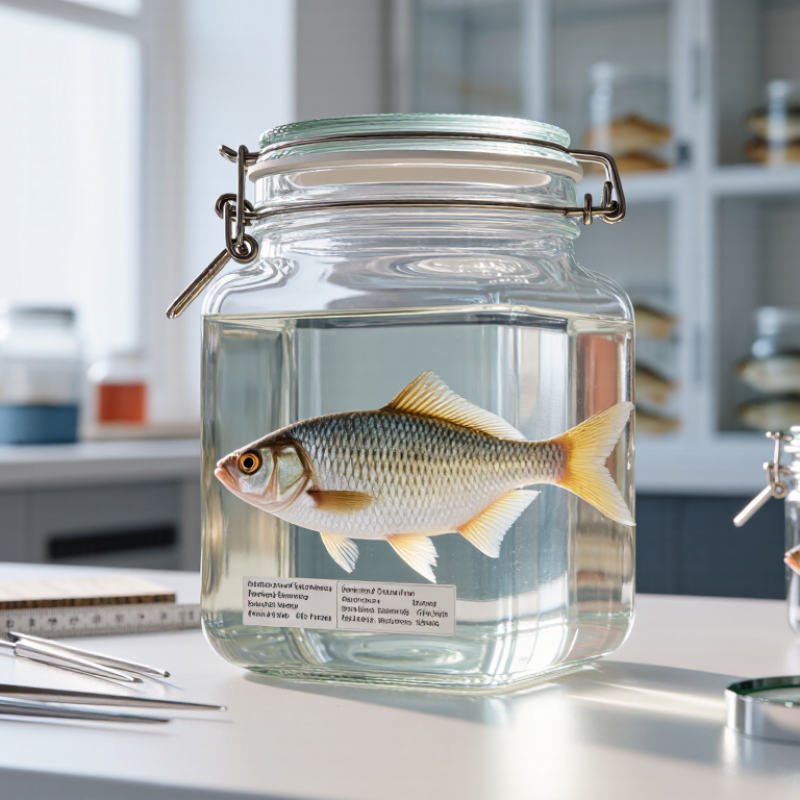
Sourcing a quality Fish Specimen begins with more than appearance. Clear fins, natural coloration, and intact scales matter, but they cannot prove responsible origin. A reliable specimen needs a documented identity, collection location, date, method, and legal chain of custody. It should also arrive with suitable preservation records and export documentation.

Dr. Prosanta Chakrabarty, an ichthyologist and fish curator, has said, “Fishes are the most diverse group of vertebrates on Earth.” That diversity makes professional sourcing difficult. Similar species may differ by one small marking or a subtle fin structure. Experienced suppliers compare specimens with current taxonomic references. They consult museums, university collections, and qualified specialists when identification remains uncertain. A photograph alone is not enough.

Ethical sourcing also requires careful attention to local regulations, protected species lists, and international trade controls. Reputable partners explain where a specimen came from. They do not hide behind vague phrases such as “old stock” or “collector’s item.” Packaging should prevent crushing, moisture damage, and chemical leakage during transport. Biosecurity deserves equal attention, especially for wet-preserved material.

The process is rarely perfect. Labels can fade. Records can contain gaps. That uncertainty matters. A beautiful specimen can still carry a weak story. Buyers should ask difficult questions before payment, retain invoices, and reject suspicious offers. Quality is not only visual. It is traceable, lawful, scientifically credible, and responsibly handled. That standard protects collections, suppliers, researchers, and the aquatic life that makes every specimen valuable.

How to Source Quality Fish Specimens Worldwide?

Defining Quality Standards for Fish Specimens

Quality begins with a clear definition, not an attractive photograph. For fish specimens, I assess identity, physical condition, preservation, documentation, and ethical origin. Each category needs visible evidence. An accurately identified specimen should match its stated species, sex, size, and collection location. High-resolution images should show both sides, the mouth, fins, scales, and any damage. Measurements should include total length and the method used. Small inconsistencies matter. An unusual color may indicate natural variation, fading, staining, or poor storage. That uncertainty deserves an honest note.

Condition standards should be practical and repeatable. Look for intact fins, firm tissue, clean surfaces, and stable preservation. Cloudy fluid, loose scales, cracked skin, or a strong chemical odor can signal deterioration. Packaging also affects quality. A sealed, labeled container, shock protection, and suitable temperature control reduce transit risks. However, perfect appearance is not always proof of quality. Over-cleaned surfaces can hide damage. I would request inspection photos before accepting a costly shipment.

Reliable worldwide sourcing requires traceable records. Ask for the collection date, locality, preservation method, chain of custody, and applicable permits. Records should remain consistent across labels, invoices, and images. International shipments need careful review of import, export, and wildlife rules. Requirements change by country. When information is missing, I mark the specimen as unverified rather than guessing. That decision can slow procurement. It also prevents weak material from entering a research or teaching collection. Reviewers may still disagree about minor scars or color loss. I record those judgments and revisit them when new evidence appears.

How to Source Quality Fish Specimens Worldwide?

Defining Quality Standards for Fish Specimens

TVB-N, or total volatile basic nitrogen, is a recognized chemical indicator of fish freshness. Lower values generally indicate better freshness. The reference limits shown here are the maximum TVB-N levels used for different fish groups under European food-safety rules.

Reference: Commission Regulation (EC) No 2074/2005, Annex II. Additional sourcing checks should include correct species identification, complete collection records, legal origin, intact packaging, controlled temperature, and appropriate preservation.

Identifying Reliable Suppliers and Collection Regions

How to Source Quality Fish Specimens Worldwide?

Reliable sourcing begins with traceable suppliers, not attractive photographs. Ask for the scientific name, collection date, exact region, and handling method. For live specimens, request health records, mortality data, and acclimation procedures. For preserved specimens, verify fixation methods and label permanence.

Regional reputation helps, but it is not proof. FAO’s The State of World Fisheries and Aquaculture 2024 reported 185.4 million tonnes of global fisheries and aquaculture production in 2022. Asia represented 91.4% of aquaculture aquatic-animal production. This scale creates opportunity, but also inconsistent documentation. Evaluate suppliers from Southeast Asia, the Indian Ocean, the Northeast Atlantic, or Pacific regions using the same checklist. Confirm harvest permissions, export papers, import requirements, and any CITES controls before payment. A supplier who avoids precise answers is a risk. I have sometimes trusted polished catalogs too quickly. That was a mistake.

Tips

Request three recent references. Compare locality records with species distribution databases. Inspect sample labels closely; blurred dates and vague coordinates deserve questions. Prefer suppliers who explain rejected specimens openly. Ask how temperature, oxygen, and packaging are monitored during transit. Do not select a region only because it is famous. Local seasonality, water quality, and collection pressure can change within months. Independent verification remains valuable, especially when the supplier controls every document. Check the details twice.

Verifying Species, Health, and Legal Documentation

Sourcing quality fish specimens worldwide starts with identity, not appearance. Vivid colors can hide misidentified species or shipment stress.

Ask for the scientific name, breeding or collection location, date, and chain-of-custody records. Compare photographs with a recognized taxonomic database. Request genetic testing for valuable or easily confused specimens.

The FAO State of World Fisheries and Aquaculture 2024 reported 185.4 million tonnes of aquatic animals produced in 2022. It also found only 62.3% of monitored marine stocks were biologically sustainable in 2021.

These figures show why traceability matters. I still treat a clean label as a claim, not proof.

Health checks should be documented before dispatch. Review feeding response, body condition, gill movement, skin lesions, swimming behavior, and recent mortality. Ask for water parameters and acclimation history.

A veterinarian-issued health certificate should match the species, quantity, origin, destination, and shipment date. The WOAH Aquatic Animal Health Code offers international guidance for disease prevention and animal movement.

Legal review is equally practical. Check import rules, protected-species lists, CITES requirements where relevant, collection permits, export documents, and customs declarations. CITES records must use scientific names, not only trade names. Missing paperwork is a warning.

Tips:

Use an independent quarantine period in a separate tank. Photograph labels and condition on arrival.

Keep invoices and permits together. Confirm temperature with a data logger.

Do not rush release after a long journey.

My weak point is trusting supplier confidence too much. Written evidence deserves more weight.

Recheck regulations before every shipment, because disease controls can change.

Assessing Packaging, Transport, and Global Import Requirements

How to Source Quality Fish Specimens Worldwide?

Packaging and transport determine whether a fish specimen arrives usable, identifiable, and legally acceptable. FAO reported 185.4 million tonnes of global fisheries and aquaculture production in 2022. That scale hides major handling differences between suppliers. For live specimens, use double bags, oxygen control, insulated boxes, and leak-resistant outer packaging. For preserved specimens, select sealed containers with secure absorbent material and clear labels. Keep it simple. Every package should show the scientific name, quantity, origin, and required temperature.

Temperature records matter more than attractive packaging. A logger can reveal heat exposure during airport delays or customs inspections. The International Air Transport Association’s Live Animals Regulations provide widely used guidance for live aquatic animal shipments. WOAH’s Aquatic Animal Health Code also emphasizes health certification, disease control, and responsible movement. Do not rely on a supplier’s verbal assurance. Request recent health documents, packing photographs, and a written chain-of-custody record.

Import rules vary by destination and species. Check permits, veterinary certificates, customs classifications, and quarantine requirements before payment. Some species may require additional conservation documentation under national law or international agreements. Customs delays can destroy a cold-chain shipment quickly. A 24-hour contingency plan is practical, but not always sufficient. This is where sourcing becomes imperfect: a compliant package can still fail because an authority requests a revised document. Build time for corrections, confirm requirements directly with the destination authority, and keep every record accessible.

How to Source Quality Fish Specimens Worldwide? – Assessing Packaging, Transport, and Global Import Requirements
Specimen Condition Quality Indicators Before Dispatch Recommended Packaging Configuration Temperature and Handling Transport and Dangerous-Goods Considerations Typical Import Documentation Key Compliance Risks
Live freshwater fish Normal swimming behavior, intact fins and scales, no visible lesions, clear eyes, and no abnormal mortality in the holding group. Leak-resistant primary bag or container, sufficient water volume, oxygenated headspace where appropriate, absorbent material, and a rigid outer box. Use separated containers for incompatible species. Maintain the species’ documented transport range; avoid rapid temperature changes. Use insulated packaging when ambient conditions may cause stress. Follow the current air-carriage rules for live animals. The package must prevent leakage and allow safe handling; transit time should be minimized. Commercial or pro forma invoice, packing list, scientific name, quantity, country of origin, importer details, health certificate where required, and any destination-country aquatic-animal permit. High
Species misidentification, inadequate oxygen, leakage, temperature shock, and missing aquatic-animal health permits.
Live marine fish Stable respiration, intact mucus layer, no external parasites or wounds, good body condition, and documented acclimation history. Double primary containment is commonly used for liquid shipments, with leakproof bags or containers inside a waterproof secondary layer and a rigid outer package. Use species-specific temperature and salinity records. Avoid exposure to direct sunlight, freezing conditions, or prolonged delays at transfer points. Oxygen use, water volume, package dimensions, and labeling must comply with the applicable carrier and air-transport rules. Some species may require additional wildlife controls. Species identification, health certificate, import permit if applicable, origin declaration, transport details, and documents relating to protected-species controls when relevant. High
Salinity changes, ammonia buildup, heat stress, protected-species restrictions, and delays caused by incomplete permits.
Fresh or frozen whole fish Correct species and size, firm flesh, intact body, no unusual odor, no excessive dehydration, and clear chain-of-custody records. Food-grade inner wrapping or sealed bag, leakproof secondary container, and insulated outer packaging. Frozen shipments require enough refrigerant for the planned transit duration. Fresh products are generally maintained near 0°C with melting ice or equivalent cooling. Frozen products should remain at or below the required frozen-storage temperature throughout transit. Wet ice must be contained to prevent leakage. Dry ice is regulated as a refrigerant and may require quantity limits, ventilation, and proper transport documentation. Invoice, packing list, scientific name, country of harvest or origin, sanitary or health certificate where required, and import declaration under the destination’s fishery or food rules. Medium–High
Temperature abuse, meltwater leakage, incorrect origin information, and failure to meet sanitary-import requirements.
Formalin-preserved specimen Complete body structure, undamaged fins and scales, clear labeling, adequate fixation, and no evidence of decomposition before preservation. Primary leakproof, chemically compatible container with a secure closure; sealed secondary containment with absorbent material; rigid outer packaging with cushioning. Keep upright and protected from heat. Avoid freezing and prolonged exposure to direct sunlight. Inspect containers for leakage before dispatch. Formalin solutions contain formaldehyde and may be regulated as dangerous goods. Classification, packaging, marking, labeling, and documentation depend on concentration and transport mode. Commercial or pro forma invoice, packing list, specimen inventory, safety data information, dangerous-goods declaration when applicable, and import permits for biological material if required. High
Hazardous-material non-compliance, container leakage, incorrect chemical classification, and restricted biological-material entry.
Ethanol-preserved specimen Specimen is fully immersed, structurally intact, correctly identified, and stored in a container with no evaporation or cap damage. Use a compatible, tightly sealed primary container; place it in leakproof secondary containment with enough absorbent material; use a strong rigid outer package. Keep cool and away from ignition sources. Prevent evaporation, excessive heat, and pressure buildup. Do not ship in damaged or inadequately sealed containers. Ethanol is flammable and may be regulated as dangerous goods. The applicable concentration, quantity, packaging instruction, and labeling must be verified before shipment. Specimen inventory, invoice, packing list, safety data information, dangerous-goods documentation when applicable, and any museum, research, or biological-material permit. High
Flammability classification, evaporation, leakage, ignition risk, and incorrect declaration of alcohol concentration.
Dried or skeletal specimen Specimen is completely dry, free from visible pests, mold, soil, and excess tissue; bones or fins are not cracked or heavily fragmented. Use a clean inner wrap, sealed moisture barrier, pest-resistant secondary packaging, and rigid cushioning to protect fragile parts from impact. Keep dry and protected from condensation. Avoid high humidity and sudden changes between cold storage and warm inspection areas. Generally simpler to transport than live or liquid-preserved material, but biological-material and wildlife restrictions may still apply. Invoice, packing list, scientific name, specimen purpose, origin information, treatment or sterilization statement when requested, and protected-species permits if applicable. Medium
Contamination, pest infestation, protected-species restrictions, and inability to prove legal origin.
CITES-listed fish specimen Species identification must be confirmed by an experienced taxonomist or recognized reference collection before shipment. Use packaging suitable for the specimen condition, with labels that match the permit and inventory. Keep specimens segregated when multiple species are included. Follow the preservation or live-transport requirements for the specific specimen type and retain temperature records when relevant. International trade in species listed under the Convention on International Trade in Endangered Species may require permits or certificates issued by the relevant national authorities. CITES export or re-export permit, import permit where required by the destination, invoice, packing list, scientific names, quantities, source codes, and legal-acquisition information. Very High
Common-name errors, missing permits, incorrect source codes, quota restrictions, and seizure at customs.
Research or museum reference specimen Unique catalog number, taxonomic identification, collection date, locality, collector information, preservation method, and chain-of-custody record. Package by preservation method and fragility. Use internal dividers, cushioning, leakproof containment for liquids, and tamper-evident identification labels. Maintain the documented storage condition and avoid prolonged exposure to heat, freezing, vibration, or humidity. Transport requirements depend on whether the specimen is live, preserved in a regulated liquid, infectious, or subject to wildlife controls. Material-transfer or institutional letter, specimen inventory, invoice or non-commercial declaration, origin and collection details, permits, and import authorization where applicable. Medium–High
Incomplete provenance, taxonomic inconsistency, missing institutional paperwork, and mismatch between package contents and documents.
General pre-shipment verification Confirm scientific name, quantity, condition, origin, legal acquisition, destination importer, and intended use before booking transport. Photograph the specimen and completed package, record package dimensions and weight, and use a checklist for seals, labels, cushioning, and absorbent material. Define acceptable temperature limits, maximum transit time, emergency contact procedures, and inspection points before dispatch. Check the latest carrier rules, dangerous-goods requirements, live-animal requirements, customs rules, and restrictions imposed by transit countries. Prepare invoice, packing list, permits, certificates, safety data information, airway bill or transport document, and any required customs declaration. Best practice
Never rely only on the exporter’s interpretation; verify requirements with the destination authority and the selected carrier before shipment.
Compliance note: Import requirements vary according to species, specimen condition, origin, destination, transit country, intended use, and preservation chemicals. Before shipping, verify the current rules with the destination country’s customs, fisheries, veterinary, wildlife, and environmental authorities. Air transport must also follow the applicable live-animal and dangerous-goods regulations.

Establishing Ethical, Traceable, and Sustainable Sourcing Practices

How to Source Quality Fish Specimens Worldwide?

Ethical sourcing begins before purchase. Each specimen should have a scientific name, collection location, date, method, and legal documentation. The FAO’s The State of World Fisheries and Aquaculture 2024 reports that aquaculture supplied 51% of global aquatic animal production in 2022. This changes sourcing decisions. Farmed specimens may reduce pressure on wild populations, but their feed, water use, and welfare practices still require examination.

Traceability must follow the specimen, not just the invoice. Ask for batch records, chain-of-custody evidence, and photographs showing storage conditions. The Global Dialogue on Seafood Traceability recommends standardized key data elements for harvest, movement, and ownership events. These records help buyers detect mixed origins or unexplained gaps. A label alone is not proof.

Sustainability needs local evidence. The FAO reported that only 62.3% of assessed marine fish stocks were biologically sustainable in 2021. That figure should make buyers cautious, especially when suppliers offer rare or poorly documented species. Use approved collectors, independent verification, and documented permits where required. Avoid purchasing specimens collected from protected habitats or vulnerable populations. Our records may still be imperfect. A photograph can mislead. Therefore, review suppliers regularly, compare documents with physical specimens, and pause orders when information conflicts. Ethical sourcing is slower, but careless speed creates costs that cannot be repaired.