What is a Kitchen Pantry and How to Organize It?
A kitchen pantry is more than just a storage space. It holds the essentials for meals and snacks. Many households overlook its importance. A well-organized pantry can save time and reduce stress when cooking. However, how often do we assess our kitchen pantries?
Often, items go unnoticed behind boxes and jars. Expired products might linger, causing clutter. An organized kitchen pantry can eliminate this chaos. Clear shelves and labeled containers make it easy to find what you need. Imagine reaching for your favorite spice without rummaging through a pile of sauces.
Yet, organizing is not a one-time task. It requires regular maintenance and reflection on your buying habits. Do you often buy duplicates because you can't see what's available? Addressing these issues can transform your kitchen pantry into an efficient space. Let's explore the art of organizing kitchen pantries effectively.
What is a Kitchen Pantry?
A kitchen pantry is a dedicated space for storing food and supplies. It’s often a small room or a cabinet that houses dry goods, canned foods, snacks, and other essentials. Research indicates that a well-organized pantry can lead to better meal planning and reduced food waste. In fact, studies show that 30-40% of food in the United States is wasted, and a functional pantry can help mitigate this problem.
The organization of a kitchen pantry should serve the household’s specific needs. Grouping items together by type or use is critical. For example, keeping baking supplies in one area and snacks in another creates efficiency. A survey by the National Association of Retail Grocers showed that 71% of families prefer a tidy pantry. Yet, many overlook it during spring cleaning. Cluttered and chaotic pantries can lead to forgotten items and duplication purchases.
People often assume that clear containers enhance visibility. However, they can become messy without labels. A disorganized pantry might make it tempting to buy items unnecessarily. Research suggests that about 64% of shoppers admit they forget products already at home. Thus, organization becomes not just about aesthetics, but about wise consumption habits.
The Importance of an Organized Pantry
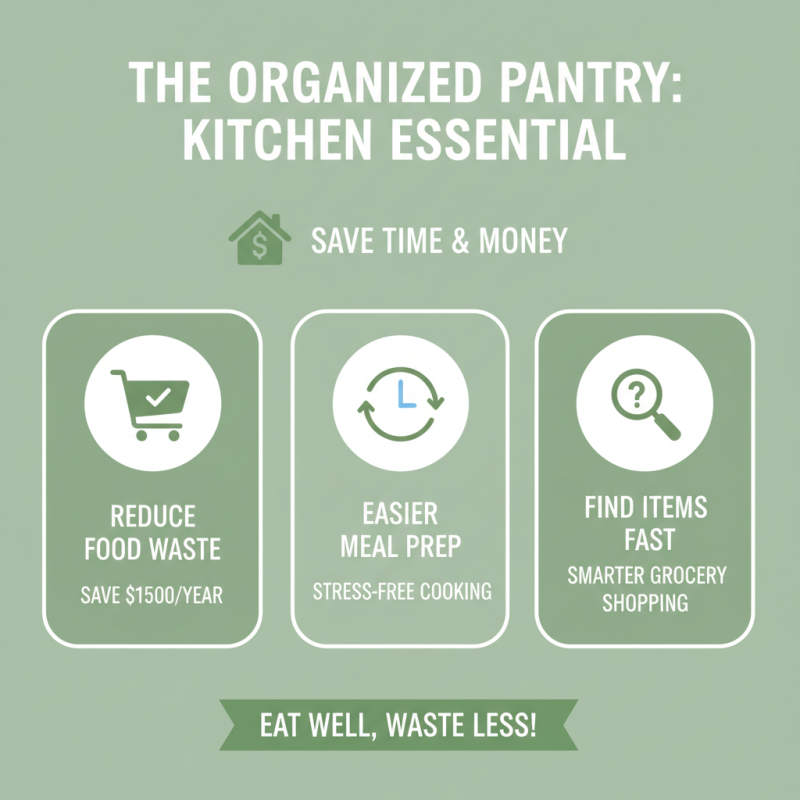
An organized pantry is essential for a functional kitchen. Research shows that a cluttered space can lead to food waste, costing households around $1,500 annually. When pantry items are hard to find, cooking becomes a stress. An organized pantry saves time and money, enabling easier meal planning and grocery shopping.
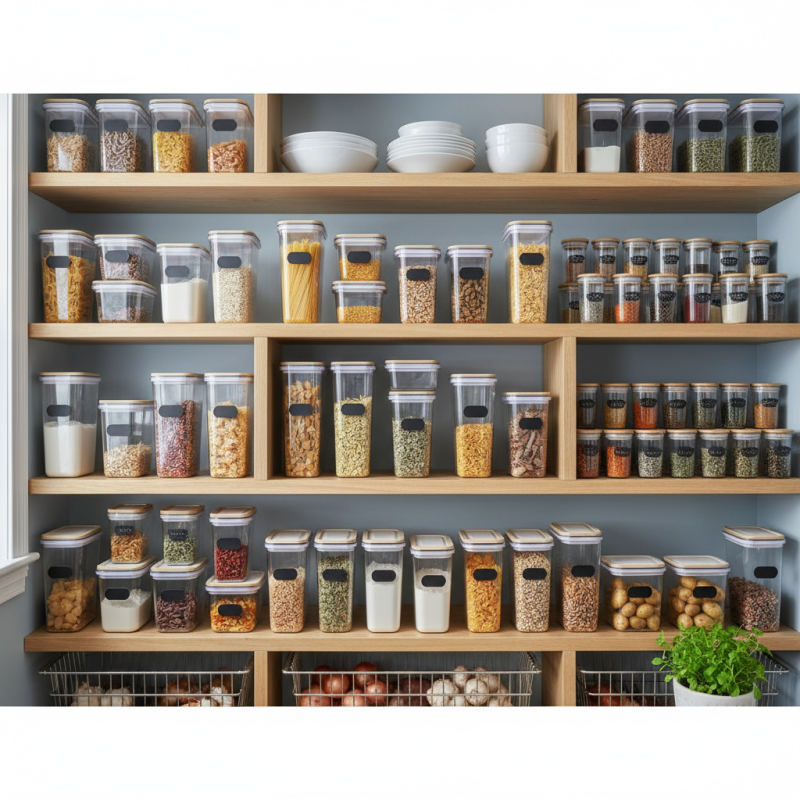
Tips for organizing your pantry include grouping items by type. Keep all canned goods together, and place grains and pasta on the same shelf. Consider using clear containers. This allows you to see what you have at a glance. Labeling shelves can also help you identify what you need quickly.
Regularly assess your pantry to avoid accumulation. Expired items should be removed promptly. Focus on efficiency. If a certain shelf becomes a catch-all, reevaluate its purpose. An organized pantry can transform your cooking experience and encourage healthier eating habits, with statistics indicating that meal planning can improve diet quality by 30%.
Essential Items to Include in Your Pantry
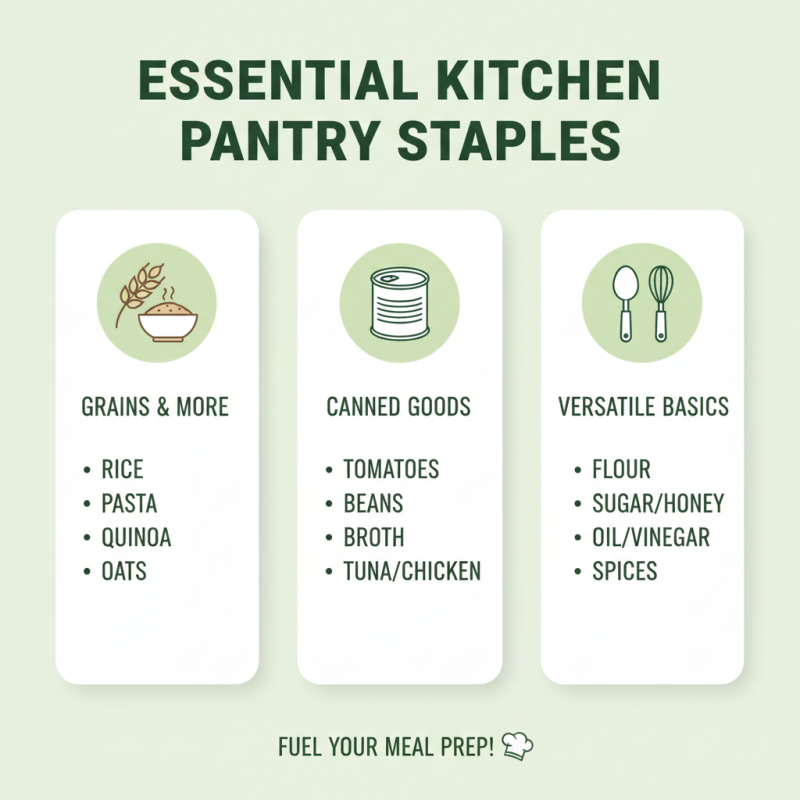
A kitchen pantry is a valuable space for food storage. It should contain essential items that help in meal preparation. Start with staples like rice, pasta, and canned goods. These are versatile and can be used in various recipes. Make sure to include a variety of grains. Quinoa and oats can add nutrition to your meals.
Don’t forget spices and herbs. They can elevate your dishes. A few basic ones like salt, pepper, and garlic powder are crucial. Consider adding dried basil or oregano for flavor. Also, keep some cooking oils on hand. Olive oil and vegetable oil are great choices. They are useful for frying and dressing salads.
However, maintaining order in your pantry can be challenging. Items may get lost or expire. Regular check-ins can prevent this. Organizing them by type can help too. Use clear containers for easy visibility. Labeling can also assist in finding things quickly. Remember, a well-stocked pantry should be functional, not cluttered.
Step-by-Step Guide to Organizing Your Pantry
Organizing your pantry can significantly enhance your kitchen’s efficiency. A well-organized pantry saves time. Studies show that about 20% of consumers feel frustrated searching for ingredients. This often leads to buying duplicates. Start by emptying the pantry. Clean shelves thoroughly. You’d be surprised at what expired items you’ll find. Discard anything you don’t use.
Next, categorize your items. Group similar goods together. For instance, keep grains and pasta on one shelf. Store canned goods together. This method not only looks good but also simplifies meal planning. A survey from the National Institute of Health found that 70% of people reported they waste food due to poor organization. This illustrates a need for reflection on how we maintain our spaces.
Finally, consider using clear bins for storage. Label them clearly. This helps everyone in the household find items quickly. However, avoid overstuffing. An overcrowded pantry often leads to oversight. Remember, an organized pantry is a continuous process. Regularly reassess your pantry’s contents and layout to make necessary adjustments.
Tips for Maintaining an Organized Kitchen Pantry
An organized kitchen pantry can transform your cooking experience. Start by assessing what you have. Empty the pantry and sort items into categories: grains, canned goods, snacks, and spices. This step sheds light on expired products. Toss anything outdated without hesitation. It’s surprising how much we accumulate over time.
Next, think about accessibility. Frequently used items should be at eye level. Place lesser-used goods on higher shelves. Consider using clear containers for dry goods, so you can see exactly what’s inside. Labels help, but if you aren’t consistent, they can become confusing. Sometimes, a haphazard approach leads to a frantic search for that elusive spice.
Remember, organization is an ongoing process. Try to reassess your pantry every few months. As seasons change, so do your cooking habits. You may find some items haven’t been touched in ages. Don’t be afraid to experiment with new arrangements. Some might work better than others. Embrace the imperfections in your pantry journey. It’s all part of creating a space that works for you.
Kitchen Pantry Organization: Inventory of Common Items