

Reflective Vinyl Sheet is a flexible material with a surface designed to return light toward its source. When headlights or a flashlight strike it, the sheet can appear brighter to someone nearby. It does not produce light of its own. Its visibility depends on the material’s construction, the angle of the light, and the viewing distance. Some products are made for outdoor signs, while others suit labels, equipment markings, or decorative projects. These versions may differ in brightness, flexibility, adhesive strength, and weather resistance.
This guide explains how reflective vinyl works and where it may be useful. Common applications include sign details, safety labels, vehicle accents, and craft designs. For any project, consider the surface, exposure to moisture and sunlight, and the manufacturer’s installation instructions. A smooth, clean surface usually helps adhesive vinyl bond more reliably, but results can vary. Do not assume every sheet is suitable for long-term outdoor use or every visibility need. Check product specifications, and test a small area when practical. Details matter. A small test patch helps. Not by itself. Reflective vinyl can improve visibility, but it cannot replace appropriate lighting or other safety measures.
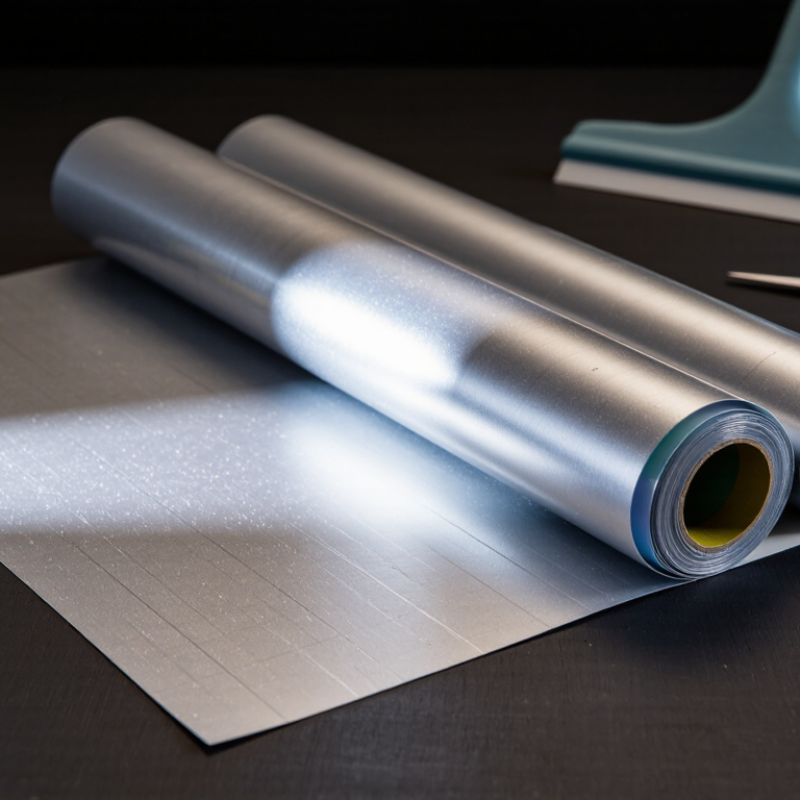
Reflective vinyl sheet is a flexible film engineered to send incoming light back toward its source. Tiny glass beads or microscopic prisms create this effect. A car headlight can make a road sign appear bright to the driver, even at night.
It is not a mirror: ordinary reflected light scatters, while retroreflection returns light in a narrower direction. The film often has a colored face layer and an adhesive backing for mounting on signs, vehicles, or equipment.
The optical structure and performance vary by product. ASTM International’s D4956 standard groups traffic-control retroreflective sheeting into 11 types, reflecting different construction and performance levels. That number matters: “reflective vinyl” is not one uniform material. Surface finish, viewing angle, dirt, and wear can all affect how bright it looks.
One detail is easy to miss. A sheet may look vivid under a phone flash but perform differently under headlights from a distance.
The Federal Highway Administration’s 2023 MUTCD recognizes retroreflectivity as an important visibility feature for many traffic signs. The sheet’s actual suitability depends on its intended setting and documented specifications.
Reflective vinyl sheet is built in layers. A PVC face film is first colored and formed by calendaring or coating. Tiny glass beads or molded microprisms are then added to return light toward its source. The optical layer is laminated to a backing, pressure-sensitive adhesive, and release liner. Construction varies by grade. Some sheets use sealed optical cells; others rely on exposed microprisms. The process sounds neat, but small coating or lamination defects can create dull patches.
Manufacturers test brightness at different viewing and entry angles, then check adhesion, flexibility, and weather resistance. ASTM D4956-19 sets performance classifications for retroreflective sheeting used on traffic-control devices. NHTSA’s 2022 Traffic Safety Facts reports 19,515 nighttime traffic deaths in the United States. That figure helps explain why consistent optical performance matters on signs, workwear, vehicle markings, and safety labels. Reflective vinyl can improve visibility, but it cannot replace lighting or careful placement.
Tips: Check the sheet’s application rating before buying. Clean and dry the surface, then press from the center outward to reduce trapped air. A crease may stay visible. Don’t assume every reflective finish performs equally in rain or at sharp angles.
What Is Reflective Vinyl Sheet and What Is It Used For?
How Reflective Vinyl Reflects Light
Reflective vinyl works by redirecting incoming light toward its source, rather than scattering it broadly. A sheet may contain tiny glass beads or molded prismatic cells beneath a clear protective layer. When a headlamp or flashlight hits the surface, optical elements bend or bounce light back toward its source. The material can appear bright to someone standing near the light source, while looking dull from another angle. It is not glowing by itself.
This directional return explains its use on signs, equipment labels, clothing details, and vehicle markings. The effect depends on viewing angle, distance, illumination, and the sheet’s condition. A dusty or scratched surface may return less light; so can poor alignment. In a workshop, shine a flashlight toward a sample and move your eyes near the light. The change is easy to see. Small differences matter. Reflective vinyl is not a substitute for active lighting, and not every grade performs equally in rain or darkness. Check the product’s technical data for intended conditions, then test a sample on the actual surface. Results can still vary across one sheet.
Reflective vinyl sheets are commonly grouped by how they return light. Glass-bead vinyl uses tiny beads embedded in the surface. It is flexible and often suited to flat signs or short-term displays. Prismatic vinyl redirects light through small molded cells. It can appear brighter from a wider range of viewing angles, though performance depends on the product and lighting. Some sheets are designed for temporary indoor use; others have tougher facings and adhesives for outdoor exposure.
Key properties include reflectivity, viewing angle, flexibility, and resistance to water and sunlight. A sample may look vivid under a phone flash but less visible from the side, so check it under realistic conditions. Adhesive strength matters too. Dust, textured paint, or cold surfaces can weaken the bond. Installation is rarely as effortless as a product description suggests. Clean, dry, smooth surfaces usually give more reliable results. Reflective performance can also fade or change with wear, so match the sheet to its setting and expected service life. Standards and ratings vary; verify the product data before specifying it for safety-related signs.
Reflective vinyl sheets are used wherever a surface needs to stand out in low light. On roadside work signs, cones, and temporary barriers, they can return light from approaching vehicle headlights. Placement matters. A narrow strip hidden behind a post offers little help, while a clean, visible panel is easier to notice. In warehouses, reflective labels can mark loading bays, low beams, or floor-level hazards.
On clothing and bags, heat-applied reflective vinyl adds visible details to jackets, uniforms, backpacks, and cycling accessories. Small areas can make a difference. The material must suit the fabric and application method, and it should not be treated as a replacement for required protective equipment. For vehicles or work sites, check relevant local requirements before choosing or applying reflective markings.
At home or in public spaces, sheets can create arrows on event signs, accents on bike accessories, or high-visibility notices near entrances. Smooth, dry surfaces usually give the adhesive a better chance of holding. Still, results vary: dust, scratches, poor positioning, and weather exposure can reduce visibility or adhesion. It is easy to assume that reflective means visible from every angle. It does not. A practical test in the actual lighting conditions can reveal missed spots before the sheet is relied on.
| Application | Typical Location | How Reflective Vinyl Helps | Useful Selection Considerations |
|---|---|---|---|
| Traffic and road signs | Roadways, parking areas, private roads, and work zones | Returns light from vehicle headlights toward its source, helping signs remain visible in low-light conditions. | Choose sheeting designed for the sign’s intended use and check applicable local requirements for reflectivity, color, and installation. |
| Vehicle and fleet graphics | Cars, vans, trucks, trailers, and service vehicles | Improves the visibility of markings and graphics when illuminated at night or in dim conditions. | Use film made for the vehicle surface and exposure conditions. Confirm conformability, outdoor durability, and suitability for the intended application. |
| Temporary work-zone markings | Construction sites, road maintenance areas, and temporary barriers | Makes warning labels, directional information, and hazard markings easier to see under headlights. | Temporary traffic-control devices may be subject to specific standards. Select products and layouts that meet local regulations. |
| Safety labels and equipment marking | Industrial equipment, gates, cabinets, and access points | Highlights edges, controls, or hazard locations in dark or poorly lit environments. | Match the adhesive and surface finish to the substrate, cleaning conditions, and expected indoor or outdoor exposure. |
| Personal and bicycle visibility accents | Bicycles, helmets, bags, and selected outdoor gear | Can add conspicuous reflective accents that return light from headlights or other directed light sources. | Check that the material is suitable for the item and surface. Reflective accents do not replace required lights or certified protective equipment. |
| Wayfinding and property signs | Building entrances, pathways, campuses, and parking facilities | Helps lettering, arrows, and identification signs stand out after dark when illuminated. | Consider viewing distance, lighting direction, sign background, and whether a standard reflective grade is appropriate. |