

Sourcing Fountains Fireworks safely in 2026 requires more than comparing prices online. It demands careful supplier checks, documented product information, and respect for local safety rules. A reliable buyer should confirm the supplier’s business identity, manufacturing standards, insurance coverage, and product traceability before placing an order. Photos are useful, but they are not proof.
Look for clear labels, batch numbers, safety instructions, and recognized testing documentation. Ask where the products were manufactured and how they were transported. Responsible suppliers should explain packaging requirements, delivery limitations, and storage expectations without avoiding difficult questions. They should also provide current compliance documents for the destination market, since requirements can differ between regions and may change during 2026.
Small details matter. A damaged carton, missing warning label, or vague invoice should pause the purchase. Do not accept informal promises from unverified sellers. That approach may seem slower, but it protects people, property, and business reputation. Safety comes first.
This guide will examine practical ways to evaluate Fountains Fireworks suppliers, review product documentation, and reduce purchasing risks. It will focus on lawful, age-appropriate, and professionally managed sourcing. No supplier is automatically trustworthy. Even experienced buyers can overlook a missing certificate or misunderstood shipping condition. That is worth admitting. Careful records, independent verification, and advice from qualified local authorities can correct those weaknesses before an order becomes a problem.
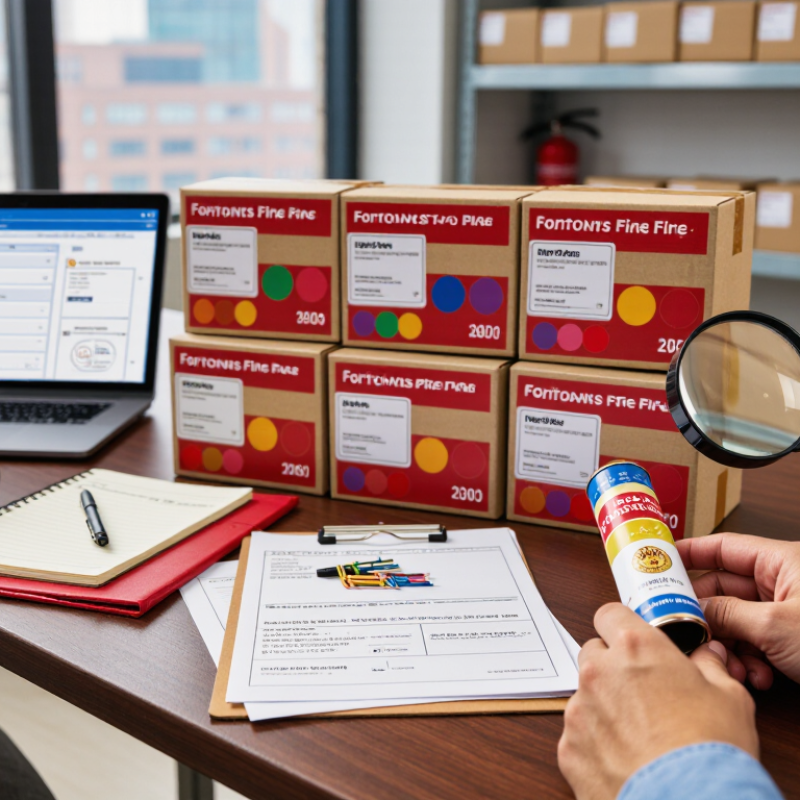
Fountain fireworks are ground-based pyrotechnic devices that produce a steady shower of sparks, light, and colored effects. They usually remain in one position while operating. Unlike aerial fireworks, they are designed to create a lower, closer visual display. Their intended use is outdoor entertainment in a controlled, open area, not indoor decoration or handheld use. Even a small fountain can release intense heat, smoke, and burning particles.
When sourcing fountains in 2026, buyers should verify the supplier’s legal registration, product classification, safety documentation, and current certification. The packaging should show clear instructions, hazard warnings, batch details, and storage guidance. Digital traceability is useful, but it does not replace physical inspection. A polished website is not proof of reliability. I would request recent compliance records and check whether the documents match the exact product.
Safe sourcing also requires confirming local rules before placing an order. Some areas restrict outdoor displays, noise levels, sales periods, or user eligibility. A responsible supplier should explain these limits without encouraging shortcuts. Products should arrive sealed, dry, undamaged, and clearly labeled. Never accept loose items or unclear packaging. That is a warning sign. My own checklist would include a suitable firing area, weather conditions, crowd distance, fire-control equipment, and trained supervision. I would also review the instructions twice, because assumptions can fail under pressure. Safety planning is not always perfect, but ignoring small uncertainties creates larger risks.
Safe sourcing of fountain fireworks in 2026 begins with the place where they will be used, not the product page. Rules can differ between a city, county, and neighboring district. Check the official fire department, local government website, and consumer safety authority. Confirm whether fountains are permitted for private use, and note allowed dates, hours, and locations. Some areas require a temporary permit, site inspection, or written approval from the property owner. Keep copies of every approval.
Before ordering, ask the seller for a current product label, safety instructions, batch information, and proof of lawful distribution. The label should identify the category, minimum user age, net explosive content where required, and the responsible importer or manufacturer. Do not accept vague listings, missing warnings, damaged packaging, or products shipped across a border without documented authorization. Restrictions may cover noise, height, composition, packaging, or seasonal availability. A low price is not evidence of compliance.
Check transport and storage rules before payment. Some jurisdictions restrict delivery to residential addresses or require an approved collection point. Store legal products in their original, dry packaging, away from heat, ignition sources, children, and pets. Read the instructions before the event, not during it. Local advice is decisive. If officials or the seller cannot answer a basic question, pause the purchase. I would rather lose a discount than discover a permit problem beside a crowded yard. Regulations change, and online advice can be outdated.
A safe supplier review begins with legal eligibility. Confirm that the supplier is authorized to manufacture and sell fireworks in your destination market. Check current licenses, inspection records, and product classification documents. Do not rely on a website badge alone. Request certificates from recognized testing bodies, where local rules require them. Verify certificate numbers, expiry dates, product names, and matching batch references.
Ask for a complete safety file. It should include safety data sheets, test reports, transport documents, storage requirements, and batch traceability records. The paperwork should identify composition risks, packaging limits, emergency actions, and recommended separation distances. Request recent photos of sealed cartons, warning labels, and damaged-package controls. A professional supplier should answer clearly, not pressure you to skip documents. That matters.
Independent verification adds useful protection. Contact the issuing authority when possible. Check whether insurance covers the stated products and destination. Review recall procedures and complaint records. A low price can signal missing testing, weak storage, or incomplete shipping compliance. However, expensive documents are not automatically reliable. I have seen polished files that still lacked consistent batch numbers. That detail deserves attention. Keep written records of every question, response, and revision. If one certificate conflicts with the product label, pause the purchase and seek qualified local advice. Safety reviews are not perfect, but careless gaps are avoidable.
How to Source Fountains Fireworks Safely in 2026?
When comparing fountain fireworks, product specifications deserve more than a product photo. Check effect height, burn duration, noise level, net explosive content, and required safety distance. Ask for current test reports and batch identification. Clear instructions should explain setup, lighting, and disposal. A reliable supplier should answer these questions without hesitation.
Packaging shows whether the supplier understands real transport risks. Inspect photos of inner boxes, moisture barriers, cushioning, and sealed outer cartons. Each carton should display readable hazard labels, handling marks, and traceable product information. Damaged corners or loose packaging are warning signs. I once trusted a clean sample carton too quickly; the delivered cartons were weaker. That mistake changed my inspection process.
Transportation terms must define responsibility at every stage. Confirm the approved carrier, permitted route, insurance coverage, delivery conditions, and required dangerous-goods documents. Compare EXW, FOB, and other terms carefully, because responsibility may transfer earlier than expected. Verify that the shipment follows applicable local and international regulations. Do not accept vague promises about customs clearance or delivery timing. Keep written records of specifications, packaging photos, certificates, and agreed responsibilities. A small detail can prevent a costly delay.
Choose fountains only from licensed, reputable sellers who provide clear instructions and legal safety markings. Check your local fire authority’s rules before purchasing, because permitted products and use zones differ by location. Avoid damaged packaging, missing labels, or products with loose parts. A reliable seller should explain the product category, safe distance, and disposal guidance without making exaggerated performance claims.
Store fountains in their original packaging, inside a cool, dry, locked cabinet. Keep them away from heaters, flames, electrical equipment, children, and pets. Never leave fireworks in a hot vehicle or damp shed. Handle each item gently and avoid carrying several pieces in your hands.
No alcohol nearby. That rule is easy to ignore, but it matters.
Use fountains outdoors on a flat, stable, nonflammable surface. Keep spectators behind the distance stated on the label, and check wind direction before lighting. A hose or bucket of water should be ready. Light one item at a time, then move away immediately. Never relight a failed fountain. Wait according to the instructions, soak it thoroughly, and follow local disposal rules.
I still find wind checks easy to overlook. Careful planning is not flawless, so pause when conditions change.