

What Are Science Education Kits and How Do They Work?
Factors for Choosing and Using a Science Education Kit
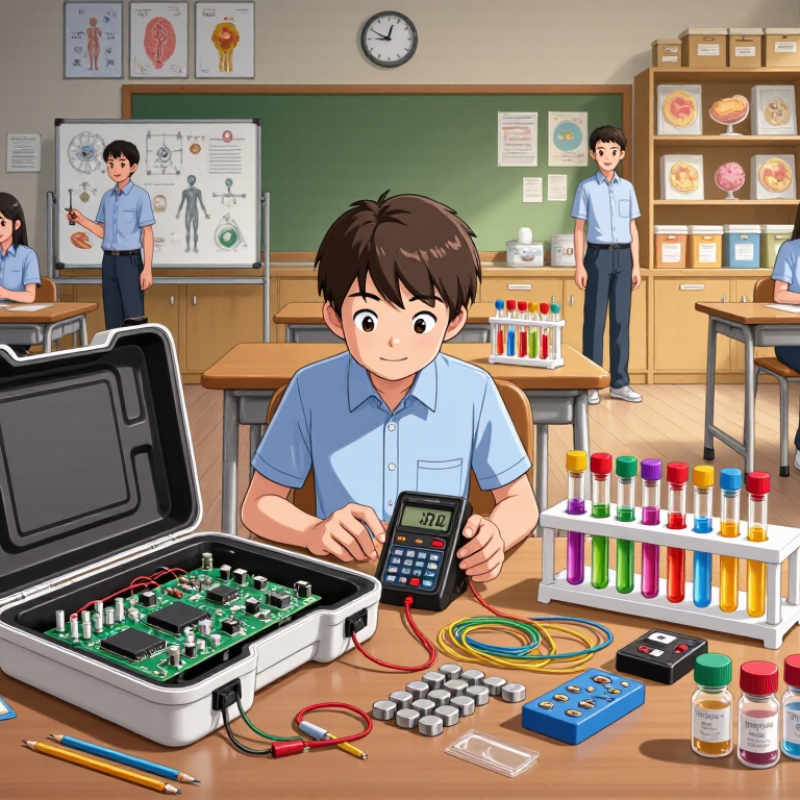
A science education kit combines materials, instructions, and questions for guided investigation. Students may measure temperature, observe plant growth, or build a simple circuit. The kit works best when learners predict, test, record, and explain their results. A strong design connects each activity with a clear scientific idea, rather than offering colorful objects without purpose. Check the learner’s age, prior knowledge, and learning goal before choosing one. Materials should be labeled, durable, and easy to replace. Instructions also need clear safety guidance and realistic time estimates.
Tips: Read the full guide first. Test the activity yourself. Confirm every item is included. Use safe, ordinary materials when possible. Keep a notebook nearby. Ask learners why results changed, not only whether they were correct. Adult supervision remains important, especially with heat, electricity, glass, or small parts.
In classroom use, I have found that simple measurement tools often create richer discussion than crowded activity boxes. A ruler, timer, and recording sheet can reveal careful thinking. Repeated trials matter because one result may be affected by a tilted surface or an inaccurate reading. Some instructions feel too definite, though. Real experiments can produce cloudy water, uneven growth, or unexpected measurements. That uncertainty is useful, but only when learners discuss possible causes. Teachers should review the kit against reliable science sources and local school safety procedures. A kit is not a substitute for professional judgment.