What Is Tempura Batter and What Is It Used For?
Tempura Batter is a light coating that turns vegetables, seafood, and other ingredients crisp while keeping their centers tender. It is usually made with flour, cold water, and sometimes egg. Unlike a thick, smooth coating, good tempura batter is mixed briefly. A few small lumps are fine. They can help create a delicate, uneven crust rather than a heavy shell.
Chef and food writer J. Kenji López-Alt has discussed the importance of keeping tempura batter cold and avoiding overmixing. In paraphrase: “Keep it cold, and mix it only briefly.” That advice matters at the stove. Cold batter meets hot oil, and the quick temperature change helps form a crisp coating. But batter alone cannot guarantee success. Oil temperature, ingredient moisture, and the cook’s timing all matter. A wet piece of zucchini can sputter; a crowded pot can cool the oil.
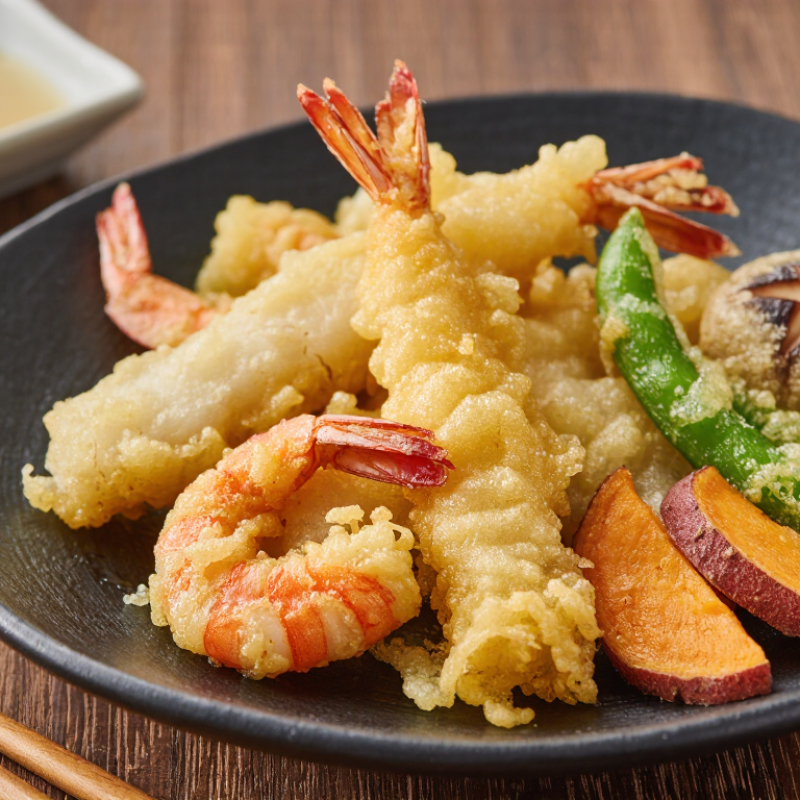
Tempura Batter is commonly used for shrimp, white fish, mushrooms, sweet potato, and green beans. Its purpose is not to hide the ingredient, but to add a thin, crisp contrast. It should taste light, not greasy or bready. Small details make a difference: dry ingredients before dipping, coat them just before frying, and work in modest batches. The method sounds simple. It is easy to misjudge. Even experienced cooks sometimes produce uneven pieces, and that is worth remembering when judging the result. This guide explains what tempura batter contains, how it works, and how to use it with care.
What Tempura Batter Is
Tempura batter is a light mixture used to coat ingredients before they are briefly deep-fried. It commonly combines flour, very cold water, and sometimes egg. Some cooks add a little starch for a delicate, crisp finish. The mixture should be fluid enough to cling to a shrimp or a slice of sweet potato, but not so thick that it hides the food’s shape.
Keep it cold. Cold ingredients help slow gluten development, which can make the coating less chewy. Stir only until the flour is damp; small lumps are normal. This can feel wrong if you expect a smooth batter, but vigorous mixing often works against the airy texture tempura is known for. A thin coating should turn pale golden and crisp in hot oil, while leaving the ingredient visible beneath it. The exact texture varies with the flour, water, and kitchen temperature, so the first batch may need a small adjustment. If batter slides off, dry the ingredient gently before dipping it. If the coating feels heavy, loosen the next portion with a little cold water. Don’t chase perfection. A few uneven edges are part of the character.
How Tempura Batter Is Prepared
Tempura batter is a thin coating made from flour and ice-cold water, often with egg. Chill the ingredients and mixing bowl before you begin. Keep egg-containing batter at 41°F (5°C) or below when it is not being used; the FDA Food Code (2022) sets this limit for cold-held foods. Add water to the flour gently, stopping while small lumps remain. Overmixing can develop gluten and make the coating heavy. I still find this step easy to rush.
Pat shrimp or vegetables dry, then dust them lightly with flour so the batter clings. Dip each piece just before frying. Heat the oil to about 340–360°F (170–182°C), and cook in small batches so the temperature does not drop sharply. The exact time depends on the ingredient’s size and moisture. Look for a crisp, pale-gold shell, not a dark, thick crust. Food-engineering research, including Sahin and Sumnu’s Deep-Fat Frying: Fundamentals and Applications (2009), explains how frying moves moisture out of food while oil can enter the surface. Drain pieces on a rack, where steam can escape. A paper towel works, but may soften the underside.
What Is Tempura Batter and What Is It Used For?
Tempura batter is a light coating used to fry vegetables, seafood, and other ingredients. This chart shows the approximate volume of ingredients in one common small-batch recipe: 1 cup flour, 1 cup ice-cold water, and 1 large egg (about ¼ cup when beaten). Recipes vary; mix the batter gently and keep it cold for a crisp, delicate coating.
Foods Commonly Coated in Tempura Batter
Tempura batter is commonly used for shrimp, squid, mild white fish, and small pieces of firm seafood. Shrimp is often left with its tail exposed, while squid is cut into rings for quick frying. These ingredients suit the method because thin batter cooks fast and leaves their centers tender. They cook quickly. The FAO’s The State of World Fisheries and Aquaculture 2024 reports 223.2 million tonnes of combined aquatic animal and algae production in 2022. This is useful context for seafood’s global scale, not evidence of tempura consumption.
Vegetables are equally familiar: sweet potato, pumpkin, eggplant, green beans, lotus root, and onion are frequent choices. Their textures change noticeably in the fryer. Sweet potato turns soft and gently sweet; lotus root keeps a crisp bite and a patterned center. Mushrooms work well too, though wet surfaces can make the coating uneven. Keep the pieces dry. A light coating should show the ingredient’s shape, rather than hide it under a thick shell. The FAO figure covers production, not specific dishes, so it should not be read as a measure of tempura demand. That distinction matters when using food-industry statistics.
What Is Tempura Batter and What Is It Used For? - Foods Commonly Coated in Tempura Batter
| Food | Typical Preparation | Result After Frying | Common Serving Use |
| Shrimp | Peeled and deveined; often lightly scored so it fries evenly. | Light, crisp coating around tender seafood. | Served as a side dish, appetizer, or topping for rice and noodles. |
| White fish | Cut into bite-sized pieces or thin fillets and patted dry before dipping. | A delicate crust with mild-flavored, flaky fish inside. | Served with dipping sauce or alongside vegetables. |
| Sweet potato | Sliced into thin rounds or lengthwise pieces. | Crisp outside and soft, lightly sweet inside. | Often included in mixed vegetable tempura. |
| Japanese eggplant | Cut into slices or fan-shaped pieces to expose more surface to the batter. | Tender and creamy beneath a crisp coating. | Served as part of a vegetable assortment or as a side. |
| Green beans | Left whole or cut into short lengths; thoroughly dried before coating. | Lightly crisp with a tender center. | Commonly served in mixed vegetable tempura. |
| Shiitake mushrooms | Stems removed; caps may be left whole or lightly scored. | Earthy, savory mushrooms with a crisp exterior. | Served as a side dish or part of a varied tempura platter. |
| Lotus root | Peeled and sliced into thin rounds. | Crisp coating around a firm, pleasantly crunchy center. | Often paired with other vegetables in tempura assortments. |
| Kabocha squash | Cut into thin wedges or slices, with the skin usually left on. | Sweet, soft squash inside a crisp outer layer. | Served as a vegetable side or as part of a mixed platter. |
How Tempura Batter Is Used in Cooking
Tempura batter is used to give vegetables, seafood, and other ingredients a thin, crisp coating. Its light texture lets the ingredient remain the focus. Think of sweet potato slices, green beans, shrimp, or mushrooms. Pat ingredients dry before dipping them; excess moisture can make the coating patchy.
For a delicate crust, mix the batter briefly and keep it cold. A few small lumps are fine. Overmixing can develop gluten and make the coating heavier, though the difference is easy to miss when you are cooking quickly. Dip each piece just before frying, then lower it carefully into oil heated to about 170–180°C. Work in small batches so the oil temperature does not drop too much. Listen for a steady sizzle.
Tempura batter also suits thin slices of squash, onion, or firm fruit, but watery ingredients can turn soft beneath the crust. That contrast is not always a flaw; it depends on what you enjoy. Drain fried pieces on a rack rather than stacking them, which helps preserve their crisp edges. Serve soon after cooking. The coating fades with time.