Top 5 Tips for Choosing the Best Block Board for Your Projects?
Choosing the right Block Board can significantly impact the quality of your projects. According to a recent industry report by Wood Products Association, the demand for Block Board is set to grow by 7% annually over the next five years. This growth highlights the need for careful selection in materials, as Block Board serves various applications from furniture to flooring.
Expert John Anderson, a renowned material scientist, mentions, "The right Block Board can enhance structural integrity and aesthetic appeal." His insight emphasizes the importance of understanding the specifications and suitability of different types of Block Board for your specific needs. Selecting poor quality materials can lead to project failures and increased costs down the road.
The choices available can be overwhelming. Numerous factors affect the performance and longevity of Block Board. Quality, thickness, and surface treatment are just a few aspects to consider. It's crucial to evaluate these characteristics thoroughly. Making an informed choice can save time and resources while ensuring a successful outcome for your projects.
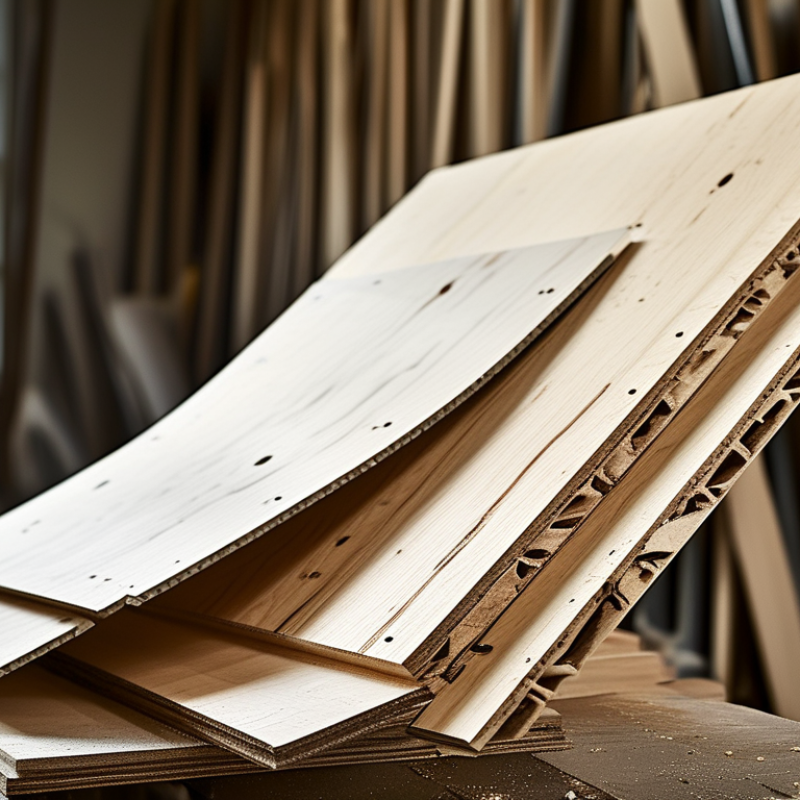
Understanding Block Board: Definition and Common Uses
Block board is an engineered wood product made from layers of wood strips glued together. It's widely used in furniture, cabinetry, and interior applications. The material is known for its sturdiness and resistance to warping, making it a reliable choice in various projects. According to industry reports, the demand for engineered wood products like block board has grown by over 15% in recent years, driven by a rise in environmentally conscious construction methods.
When selecting block board, consider the core material. High-quality block boards use a solid wood core that enhances strength. Look for a product with a thicker veneer for better durability. Test the weight; a heavier board typically indicates denser materials.
Environmental factors should not be overlooked. Choose block boards with low formaldehyde emissions, contributing to healthier indoor air quality. It's essential to understand manufacturing certifications like CARB and EPA, which ensure safety. Evaluating these aspects can significantly influence the long-term performance of your project.
Evaluating Material Quality: Key Features to Look For
When evaluating block boards for your projects, material quality is paramount. Look for the core composition, as high-quality block boards typically use solid wood strips or high-density particle boards. These materials provide stability and durability. The surface veneer should be free from blemishes and uniform in texture. A smooth surface aids in finishing and reduces the need for extensive preparation before use.
Checking the moisture content is crucial. A block board with high moisture content can warp or swell over time. Aim for boards with a moisture level below 12%. Conduct a simple test; tap the board to hear a resonant sound, which often indicates better quality. Additionally, ensure the edges are sealed properly; this prevents moisture infiltration.
It’s also wise to consider the weight of the board. Heavier boards often imply a denser core, which translates to strength. While weight can be a drawback for some projects, it usually indicates reliability. However, be cautious; heavy boards can lead to difficult handling and installation. Reflect on your specific needs and balance weight with usability. Quality matters for longevity, but sometimes a lighter, more manageable option is best for your project.
Thickness and Size Considerations for Different Projects
When considering the thickness and size of block boards, it's crucial to understand how these factors influence your project. Different projects call for varying thickness levels. For instance, kitchen cabinets typically require thicker boards ranging from 18mm to 25mm for added durability. A study from the Wood Products Council emphasizes that thicker boards resist warping and provide better support for heavy loads.
Size also plays a significant role. Standard dimensions of block boards usually measure 2440mm by 1220mm. However, custom sizes can be beneficial depending on the specific needs of your project. A report by the Forest Products Laboratory suggests that using larger sheets can minimize seams and joints, enhancing the strength of your construction. Conversely, working with smaller pieces might lead to increased waste and could affect the overall aesthetic appeal.
Always consider your workspace and equipment. For smaller workshops, purchasing full sheets may create storage challenges. This limits your flexibility in handling the material. It’s essential to reflect on how these decisions affect your workflow and project quality. Think about your specific requirements and make adjustments as needed.
Assessing Price and Value: Budgeting for Your Block Board Needs
When budgeting for block boards, understanding the price versus value is crucial. Research indicates that high-quality block boards can range from $30 to $100 per sheet. The price often reflects material quality and durability. Less expensive options may use lower-grade wood or inadequate adhesives, compromising strength. Seek detailed specifications to understand why one board might cost more than another.
Consider the project requirements. If the application involves heavy loads or exposure to moisture, investing in premium block boards is wise. These boards often exceed industry standards for resistance and longevity. According to a 2022 market analysis, using low-quality materials resulted in a 25% increase in repairs within the first year for commercial applications. While initial costs are a factor, long-term performance should take precedence.
Evaluate your total project budget against these considerations. It’s essential to balance cost and quality. A lower upfront investment may lead to higher expenses down the line due to repairs or replacements. Accurate budgeting requires thorough research and analysis of available options to ensure you make informed decisions within your financial limits. Remember, the choices you make today can impact the sustainability of your projects.
Block Board Price Comparison
This bar chart compares the prices of different types of block boards per square meter. When selecting a block board for your project, keeping the cost and type in mind will help you budget effectively.
Sourcing Reliable Suppliers: Where to Buy Quality Block Board
When sourcing reliable suppliers for block boards, quality is key. Block boards are essential in construction and furniture making. Industry reports show that over 60% of project failures stem from subpar materials. Therefore, ensuring that the supplier provides high-quality block boards should be a priority.
Look for manufacturers who adhere to international quality standards. Certifications, such as ISO 9001, indicate a commitment to excellence. Many suppliers showcase testimonials and case studies. These can provide insight into their reliability and product quality. Consider suppliers with a solid track record in the industry.
Research the suppliers' sourcing practices. Sustainable sourcing can make a difference. A report from the Wood Products Manufacturers Association highlights that 75% of buyers prefer sustainably sourced materials. This not only helps the environment, but it also reflects positively on your project. Engaging with suppliers who practice transparency in their processes is vital. This level of diligence can highlight potential risks and enhance project outcomes significantly.
Top 5 Tips for Choosing the Best Block Board for Your Projects
| Tip | Description | Materials | Prices ($) |
| 1. Check for Certification | Ensure the block board meets industry standards and certifications | Plywood, MDF | 50 - 120 |
| 2. Assess Thickness and Density | Choose according to the strength required for your project | Various woods | 40 - 100 |
| 3. Understand Cost vs Quality | Higher quality board may be more cost-effective in the long run | Sandwich panel, blockboard | 60 - 200 |
| 4. Sourcing Local vs Online | Evaluate options based on availability and shipping costs | Manufactured woods | 30 - 150 |
| 5. Check Customer Reviews | Read reviews to gauge satisfaction and product performance | Engineered wood products | 45 - 170 |