

What Are the Top 10 Palestinian Products to Source?

palestinian products carry more than a place of origin. They reflect farming traditions, skilled makers, and communities working through changing conditions. For buyers, that story matters, but it is not enough. Reliable sourcing also depends on clear product specifications, consistent quality, transparent pricing, and documentation that supports origin claims.

Canaan Palestine founder Nasser Abufarha has emphasized fair trade’s role in connecting Palestinian farmers with international markets. That principle offers a useful lens for exploring the top 10 Palestinian products to source. Olive oil, za’atar, dates, maftoul, honey, and handmade soap each require different checks. Look for harvest details, ingredient lists, packaging standards, and dependable supplier communication. For embroidery, ceramics, and glassware, ask about materials, workmanship, production capacity, and lead times. Details matter.

Some products are seasonal. Some suppliers may have limited capacity. Plan accordingly. A low price alone rarely tells the full story; buyers should assess quality, traceability, and whether sourcing terms are fair and practical. Requirements can also vary by destination market, so verify applicable import, labeling, and safety rules before placing an order. No checklist removes every risk. Thoughtful questions, sample reviews, and clear agreements can help buyers make informed choices while respecting the people behind these Palestinian products.
What Are the Top 10 Palestinian Products to Source?

Criteria for Selecting Palestinian Products for Sourcing

Selecting Palestinian products for sourcing requires more than a compelling origin story. I look for clear provenance, consistent quality, and respectful supplier relationships. A producer should explain material origins, worker conditions, and order documentation. For food, I check ingredient lists, harvest dates, batch records, allergen controls, and export requirements. Olive oil should use sealed, light-protective containers, while dates need moisture and pest checks. These details show practical competence.

Product fit matters as much as quality. Potential options include olive oil, dates, herbs, honey, olive-wood goods, ceramics, embroidery, and traditional soap. However, demand alone is weak evidence. I compare samples, production capacity, lead times, packaging strength, and seasonal availability. A hand-finished ceramic piece may vary slightly. That variation can be authentic, but buyers still need agreed tolerances. I also request clear photos, inspection records, and a small trial order before scaling.

Reliable sourcing depends on transparent communication. I prefer suppliers who state limitations instead of promising everything. That is not always easy to find. Transport delays, currency changes, and route restrictions can affect delivery planning, so contracts should cover substitutions, delays, payment terms, and quality claims. Ethical review should include worker safety, fair payment, and cultural representation, not only certificates. I have learned that attractive packaging cannot repair weak traceability. A modest shipment with complete documents may be safer than a larger shipment built on assumptions.

Olive Oil, Table Olives, and Medjoul Dates

What Are the Top 10 Palestinian Products to Source?

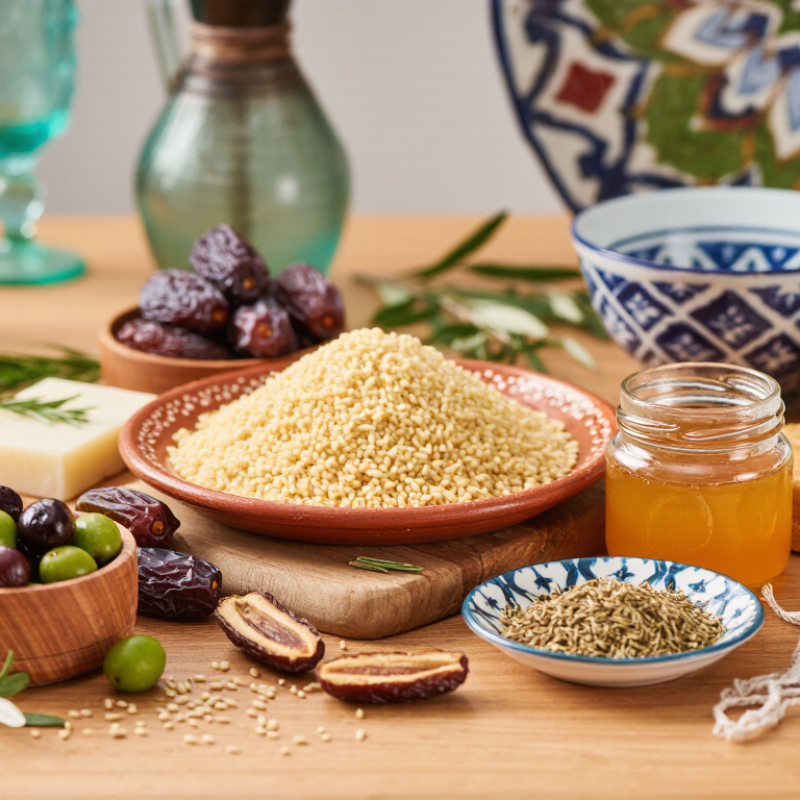
Olive oil, table olives, and Medjoul dates are strong Palestinian products for international sourcing. Each one carries distinct seasonal and quality considerations. Palestinian olive oil often has a grassy aroma, peppery finish, and deep golden color. Buyers should request harvest dates, acidity results, extraction details, and origin documentation. Freshness matters more than attractive packaging.

Table olives vary in size, firmness, curing method, and salt level. Green and dark varieties can suit retail jars, foodservice, or ingredient supply. Medjoul dates require careful grading because size, softness, moisture, and skin condition affect their market value. A properly handled date should feel tender, not wet or fermented. Storage temperature is also important during shipping. A minor temperature mistake can reduce shelf life. That detail is easy to underestimate.

Tips: Ask for recent laboratory reports and product samples before signing a large order. Confirm farming origin, packing location, available certifications, and traceability records. Check whether cartons protect the products from heat, crushing, and excess moisture. Compare samples from different harvest periods, not only one shipment. A low quotation deserves questions. It may reflect smaller fruit, weaker packaging, or inconsistent sorting. Buyers should also verify import rules, labeling requirements, and permitted preservatives in the destination market. Suppliers who answer clearly and provide consistent records are usually safer long-term partners.

Za’atar, Freekeh, and Other Traditional Pantry Staples

Palestinian pantry staples offer more than familiar flavors; they carry distinct processing traditions. Za’atar is a variable blend, often combining thyme, sumac, and sesame. Recipes differ, so buyers should request ingredient lists, allergen details, and harvest or processing locations. The aroma should be herbal and bright, not dusty. Details matter. Origin alone is not enough.

Freekeh is harvested green, then toasted, giving it a smoky, nutty flavor and a firm bite. Ask suppliers for kernel size, moisture specifications, and cooking guidance; these affect consistency in retail packs and restaurant kitchens. Compare samples after cooking, not only in the bag. A slightly uneven batch can still cook well, but it deserves a closer look. Sumac, dried herbs, lentils, and Palestinian olive oil can round out a practical sourcing range.

Scale and handling matter. FAO’s June 2024 Cereal Supply and Demand Brief forecast global cereal production at 2.854 billion tonnes, a useful market backdrop, not evidence of Palestinian supply. FAO’s 2023 SDG report estimated that 13.2% of food was lost between harvest and retail in 2021. That global figure reinforces the value of checking packaging, storage conditions, and shipment records. For fragile herbs, request a recent aroma and color assessment; for freekeh, confirm the batch’s origin and packing date. Some details remain hard to verify remotely. A sample shipment helps.

This comparison highlights ten traditional Palestinian pantry products using representative dietary-fiber values per 100 grams of raw or dry product. Freekeh, chickpeas, almonds, and tahini are especially notable for their fiber content, while olive oil and honey are primarily valued for flavor, energy, and culinary use. Values may vary by variety, processing method, and recipe, particularly for za’atar and maftoul.

Nutritional figures are indicative composition values based on standard food-composition references, including USDA FoodData Central and generic ingredient profiles.

Nabulsi Soap, Olive-Wood Crafts, and Palestinian Ceramics

Nabulsi soap is traditionally made with olive oil, water, and alkaline ingredients. Its firm bars often have a clean, mild scent and a pale surface. For sourcing, ask suppliers about ingredient lists, production methods, batch consistency, and packaging. Request samples before ordering. Check how the bars hold up in humid storage, since softening can affect their appearance and shelf life. “Traditional” can mean different things, so verify claims rather than relying on labels alone.

Olive-wood crafts range from small carved ornaments to serving pieces, with grain patterns that make each item slightly different. Inspect samples for smooth edges, stable joins, and finishes suitable for the intended use. Ask how the wood is sourced and dried; poorly prepared pieces may crack. Palestinian ceramics offer another distinctive option, including hand-painted plates, bowls, and tiles. Compare glaze coverage, weight, and dimensions across samples, and clarify whether pieces are food-safe or decorative only. Small variations are part of handmade work. Still, I would not treat every uneven brushstroke as proof of authenticity. Clear records and honest product descriptions matter more.

Embroidered Textiles and Natural Stone Products

Embroidered textiles offer a tactile way to source Palestinian craft. Look closely at the stitching: small differences in thread tension and pattern alignment can reveal handwork, not necessarily defects. Motifs, colors, and techniques vary by maker and region, so ask suppliers how each item is produced and who receives payment. A cotton cushion cover should feel substantial, with secure seams and embroidery that does not pull the fabric out of shape. Ask for fiber details, dimensions, care instructions, and clear photographs of both sides. Details matter.

Natural stone products bring a different kind of character. Limestone and other locally worked stone may appear in tiles, trays, or small architectural pieces, with tones and markings shaped by the material itself. Request samples before placing a large order; a screen cannot show weight, surface texture, or subtle color variation well. Confirm stone type, finish, thickness, packaging, and expected breakage rates. Check that the supplier can document origin and handle export requirements for the destination market. These checks take time.

Neither category is perfectly uniform. That can make quality control harder, especially when matching textile patterns or stone shades across a large batch. Agree on acceptable variation in writing, and inspect a representative sample before production. A careful sourcing relationship respects both the maker’s process and the buyer’s practical needs.

What Are the Top 10 Palestinian Products to Source? - Embroidered Textiles and Natural Stone Products

Product Typical Materials Common Uses Key Sourcing Considerations
Traditional embroidered dresses (thobes) Woven cotton or linen fabric with hand-stitched or machine-stitched embroidery Traditional clothing, special occasions, cultural collections Ask about stitch technique, fabric composition, sizing, production time, and whether the embroidery is handmade.
Embroidered cushion covers Cotton or linen panels with embroidery; usually supplied as covers without inserts Home furnishings, gift collections, hospitality interiors Confirm finished dimensions, closure type, backing fabric, colorfastness, and care instructions.
Embroidered table linens Cotton or linen cloth with decorative stitched borders or motifs Tablecloths, runners, placemats, and napkins Specify fabric weight, hem finish, set contents, dimensions, and whether colors vary between batches.
Embroidered scarves and shawls Cotton, linen, or wool-blend fabric with stitched decoration Wearable accessories and textile gift ranges Check fiber labeling, dimensions, edge finishing, colorfastness, and any applicable textile-labeling rules.
Embroidered bags and pouches Embroidered textile panels with cotton lining, zippers, or other closures Everyday accessories, travel items, and small gifts Review stitching strength, lining, hardware, usable capacity, and the durability of handles and fasteners.
Carved limestone blocks and ashlar Locally quarried limestone, cut or dressed to specified dimensions Building façades, walls, restoration, and landscape features Request quarry and origin documentation, dimensional tolerances, stone testing data, finish samples, and export details.
Limestone tiles and wall cladding Cut limestone in natural, honed, brushed, or other specified finishes Interior flooring, wall surfaces, and exterior cladding Confirm thickness, size variation, slip requirements, intended indoor or outdoor use, packing, and breakage allowances.
Marble slabs and cut-to-size pieces Natural marble supplied as slabs or fabricated components Countertops, interior surfaces, stair treads, and architectural details Inspect slab photographs or samples; specify thickness, finish, edge profile, tolerances, and protective packaging.
Stone paving and step pieces Cut limestone or other suitable natural stone with a specified surface finish Courtyards, walkways, terraces, and exterior steps Specify load and exposure conditions, thickness, surface texture, drainage needs, and test requirements for the project.
Carved stone architectural pieces Limestone or marble shaped into made-to-order decorative or building elements Door surrounds, window details, columns, reliefs, and garden features Provide drawings and measurements, agree on carving samples and tolerances, and confirm crating, transport, and installation needs.

Article Source: