What Is an Inflatable Bubble Tent?
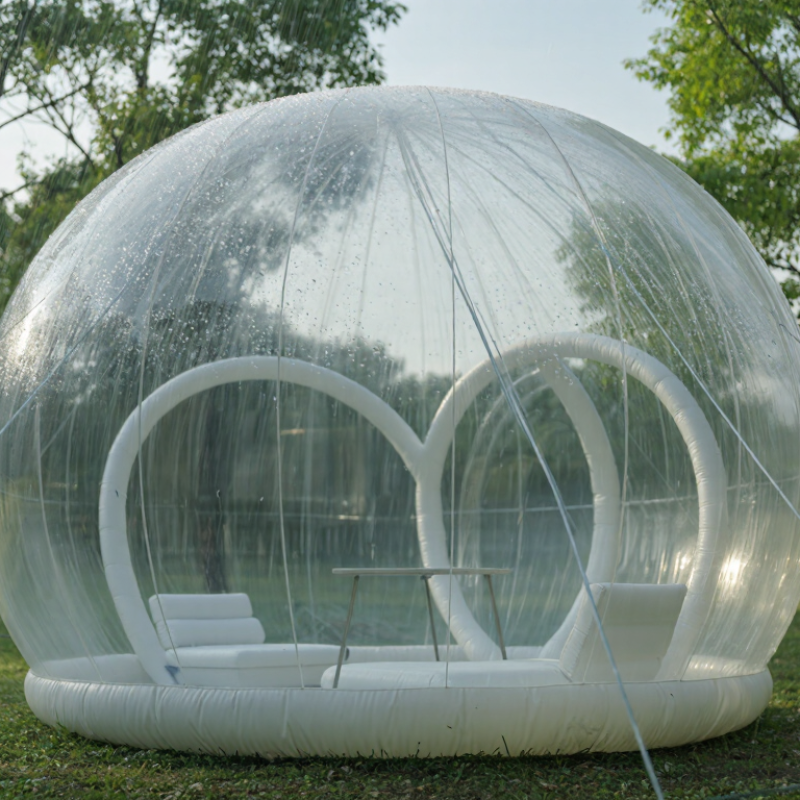
An inflatable bubble tent is a clear or partly transparent shelter held upright by air pressure or an inflatable frame. Its rounded walls can create an open view of the landscape while offering a sheltered place to sit, sleep, or observe the outdoors. Some models use a continuous blower; others inflate sealed structural beams. The distinction matters. It affects noise, setup, and how the tent responds to changing conditions.
The idea is appealing. Imagine raindrops sliding down a curved window while trees remain visible beyond it. But a transparent shelter is not automatically comfortable or suitable for every site. Ventilation, condensation, ground anchoring, temperature, and the manufacturer’s weather ratings deserve close attention. Read the product specifications, and follow the setup instructions. Small details matter.
A useful design perspective comes from architect and systems thinker Buckminster Fuller, who said, “When I am working on a problem, I never think about beauty. But when I have finished, if the solution is not beautiful, I know it is wrong.” Fuller was not an inflatable-tent specialist; his words offer a broader lens for considering form and function. With Inflatable Bubble Tents, visual impact is only part of the appeal. The practical questions are just as important: Does the structure feel stable? Is the view worth the trade-offs? And does it suit the weather and setting you actually expect? The answers vary. That is worth remembering.
What Defines an Inflatable Bubble Tent?
An inflatable bubble tent is a lightweight shelter whose shape is held by air-filled supports or, in some designs, by continuous airflow. Clear panels create a rounded, enclosed space with a broad view of the surroundings. The word “bubble” describes the look, not one fixed construction method.
What defines one is the combination of an inflatable structure and a mostly transparent enclosure. Look for reinforced seams, secure entry closures, and clear instructions about inflation and ventilation. Some models use a blower that must keep running; others rely on sealed air beams. That difference affects noise, power needs, and setup, so check the design rather than assuming every tent works alike. Small details matter. A zipper can catch, and condensation may cloud the panels overnight.
The clear walls suit calm, dry conditions where people want shelter without losing the view. They are not a substitute for checking wind limits, anchoring requirements, or weather guidance from the maker. A sunny afternoon can also turn a transparent shelter warm, much like a parked car. Ventilation and shade help, though they may reduce the uninterrupted view. The name can be a little misleading: visibility varies with panel clarity, lighting, and moisture, and privacy is limited unless coverings are added.
What Materials and Components Make Up the Tent?
An inflatable bubble tent usually combines a clear flexible shell with a frame created by airflow. The shell is commonly PVC or TPU film; welded or bonded seams join its curved panels. A zipper door, air inlet, pressure-relief openings, and a blower complete the enclosure. Some designs add a separate groundsheet, while others use a reinforced floor panel. Small details matter. A poorly sealed zipper can leak, and condensation may cloud the view overnight.
Material choice affects clarity, flexibility, and upkeep. PVC can be economical and easy to clean, but its feel and cold-weather flexibility depend on the formulation. TPU is often selected where greater flexibility is useful, though it can cost more.
PlasticsEurope’s Plastics – the Facts 2023 report recorded 400.3 million tonnes of global plastics production in 2022; that figure describes the wider materials industry, not tent performance. Grand View Research valued the global PVC market at about US$66.7 billion in 2023, another measure of PVC’s broad industrial use, not a quality rating.
I would still inspect seam construction, blower placement, and anchor points before judging a tent. Clear film can look sturdy in a showroom. It may feel different after repeated folding.
How Is an Inflatable Bubble Tent Set Up?
What Is an Inflatable Bubble Tent?
How Is an Inflatable Bubble Tent Set Up?
An inflatable bubble tent is a sheltered space supported by air-filled beams or a continuous airflow system. Its clear panels can offer wide views, but setup needs a suitable, calm location. Choose level ground, away from sharp branches and stones. Check the ground. Clear away anything that could puncture the floor or rub against the panels.
Unpack the tent and spread it flat, with the entrance facing your preferred direction. Check that doors and vents are unzipped as instructed, then connect the supplied pump or blower to the correct valve. Inflate the frame gradually, keeping people clear as it expands. Follow the instructions for your specific model; some systems use a sealed air frame, while others require a blower to remain on. Don’t guess here. A rushed connection can cause leaks or uneven support.
Once the structure stands, secure its anchor points and guy lines, adjusting them until the tent feels stable without pulling the fabric too tight. Recheck the valves, seams, and ground contact. Leave vents open as directed to support airflow and reduce condensation. I’ve found that a tent can look secure before its anchors are properly tensioned, so give them another look. Wind or soft ground may call for a different setup—or a decision to wait.
What Are Its Common Uses and Settings?
An inflatable bubble tent is a clear, air-supported shelter with a rounded interior. Its transparent walls create an open view while offering a defined space for sitting, resting, or gathering. People use these tents in gardens, campsites, and outdoor event areas. They are especially popular when the scenery is part of the experience.
For a quiet evening, a tent can create a sheltered spot for stargazing or reading. At a small celebration, it may serve as a lounge or photo area, with chairs, soft lighting, and a clear walkway. Some hosts use one for temporary dining. Keep heat sources and furniture suited to the tent’s materials and instructions. Small details matter.
The idea sounds effortless, but setup can be fussier than photos suggest. A flat, clean surface helps protect the floor, while wind exposure, rain, and temperature can affect comfort. Ventilation is important; warm bodies and damp ground may cause condensation on clear panels. Not ideal in every season. Check the product’s care and weather guidance, and avoid treating a transparent shelter as permanent accommodation. At a busy event, leave enough space around its entrance and keep the interior uncluttered.
What Safety and Maintenance Factors Should Be Considered?
An inflatable bubble tent is a clear enclosure kept upright by air pressure from a blower. Its transparent walls offer views, not dependable protection from severe weather. NOAA notes that lightning can strike up to 10 miles from a thunderstorm. Leave the tent and seek a substantial enclosed shelter when thunder approaches. A bubble is not a storm shelter.
Check the anchors, seams, valves, and blower before every use. Look closely for pinholes, loose connections, and cracked or cloudy panels. I check the seams twice; it can feel excessive, but a small leak may quickly soften the structure. Follow the maker’s wind limits, and take the tent down if conditions worsen. Keep exits clear, and never block the blower’s air intake.
Keep flames, heaters, and fuel-burning equipment outside. The U.S. Consumer Product Safety Commission reports that carbon monoxide poisoning from consumer products causes more than 400 deaths and over 100,000 emergency-room visits annually. Carbon monoxide has no smell. After use, dry the tent fully before storage to discourage mildew. Clean panels only with products approved for their material, and avoid sharp tools that can scratch or puncture them. Check power cords for damage, and keep electrical connections dry.