
Why Choose Home Closets for Modern Living?

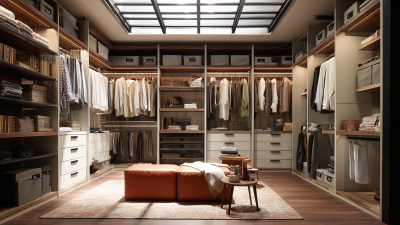
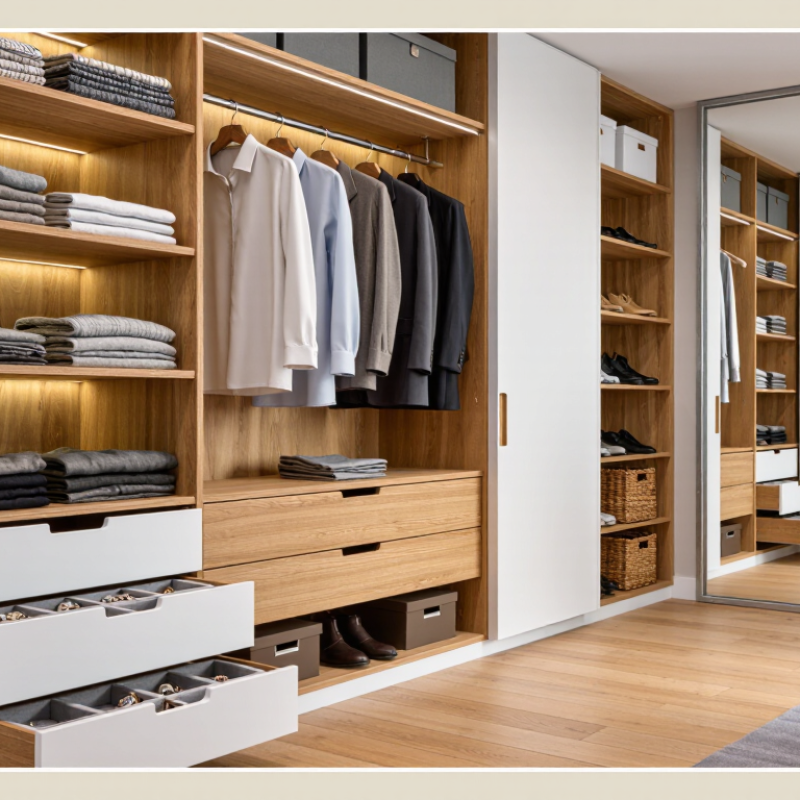
Modern living often demands more from a home than attractive furniture. It needs storage that supports busy mornings, changing routines, and limited floor space. Home Closets offer a practical way to organize clothing, shoes, accessories, and household items in one dedicated area. A well-planned closet can turn scattered belongings into visible, accessible categories. Imagine adjustable shelves holding folded sweaters, soft-close drawers protecting jewelry, and a hanging rail keeping work clothes ready. Small details matter.

They also support better use of available space. Designers can measure wall dimensions, study daily habits, and recommend materials suited to humidity, weight, and frequent use. In my experience, the most successful closet systems are not always the largest ones. They are the systems people can maintain without frustration. That point is easy to overlook. A beautiful installation may still fail if shelves sit too high or storage ignores real habits.

Reliable planning should include durable hardware, clear measurements, safe installation, and realistic maintenance expectations. Professional guidance can help homeowners compare wood finishes, laminate surfaces, lighting options, and modular layouts. Yet personal judgment remains important. Trends change, and not every fashionable feature deserves a place in every home. A mirrored door may brighten a room, but it can also reveal clutter. Thoughtful Home Closets balance appearance, accessibility, and long-term usefulness. They create calm through practical design, while leaving room for reflection as household needs evolve.
Why Choose Home Closets for Modern Living?

What Defines a Home Closet in Modern Living

A home closet is more than a cupboard behind a door. In modern living, it is a planned storage zone connected to daily routines. It may hold clothing, shoes, luggage, laundry tools, and small personal items. The best definition is practical: every object has a reachable, visible place. That sounds simple. Yet real homes are rarely simple.

Good closet planning begins with observation. Measure wall width, ceiling height, door swing, and walking clearance. Notice how people dress, where they drop bags, and which shelves become neglected. Adjustable shelves support changing needs, while drawers protect folded fabrics from dust. Strong hanging rails should suit garment weight, not only appearance. Soft lighting helps identify colors without turning the closet into a showroom. Ventilation also matters, especially in humid rooms or tightly enclosed spaces.

I have found that the most useful closets leave a little empty space. Overfilling feels efficient at first, but it quickly hides forgotten items. A reliable design uses durable surfaces, stable hardware, and easy-to-clean finishes. Accessibility should guide the layout, with daily items between waist and eye level. High storage can serve seasonal belongings, though a step stool may be inconvenient. This is where many plans fall short. A home closet should support real habits, including messy mornings and imperfect storage discipline.

How Home Closets Improve Space Organization

Home closets are not merely storage boxes. They are daily systems for controlling movement, clutter, and decisions. A well-planned closet gives coats, shoes, linens, and tools a defined address. That simple change reduces visual noise and shortens daily searches. The National Association of Home Builders’ 2024 What Home Buyers Really Want report identifies walk-in closets as a highly desired bedroom feature. About 55% of buyers consider them essential or desirable. This demand reflects practical needs, not only appearance. Clear shelves make forgotten items easier to notice. Measure first.

Professional organizers recommend grouping items by use and placing frequent items between knee and eye level. Adjustable shelves support changing wardrobes, while drawers prevent small accessories from forming loose piles. A practical home closet also needs airflow. The U.S. Environmental Protection Agency reports that indoor pollutant levels can often be two to five times higher than outdoor levels. Avoid sealing damp shoes or laundry in tight compartments. Leave ventilation space where possible. In practice, a perfect layout is rare. Doors may block light, and deep shelves can hide folded clothing. I would reserve roughly 10–15% of the storage capacity for future changes. Otherwise, even a beautiful closet becomes crowded again. A child’s winter coat, a suitcase, or an unexpected household purchase can expose weak planning quickly.

Why Choose Home Closets for Modern Living?

Home closets improve space organization by using vertical space and separating storage zones. This comparison shows the calculated storage capacity of common layouts in a 6-foot-wide closet.

Calculation basis: storage capacity is measured in linear feet. A single-hang rod provides 6 linear feet; double-hang storage provides 12 linear feet; four full-width shelves provide 24 linear feet; and a layout with five shelves plus double-hang storage provides 42 linear feet. The figures assume a 6-foot-wide closet and full-width storage components.

Which Materials and Designs Suit Contemporary Homes

Modern home closets should balance durability, calm appearance, and practical storage. Material choice shapes that balance. In my experience, moisture-resistant plywood offers dependable strength for busy bedrooms. High-quality veneer adds natural warmth without the weight of solid timber. Laminated panels are easier to clean and often suit tighter budgets. Low-VOC finishes can support better indoor air quality. Check technical specifications, not just surface appearance.

Tips: Choose matte finishes for softer light reflection. Use textured panels where fingerprints are common. Confirm shelf load ratings before storing books or luggage. Test sliding doors in person. They should move quietly and remain stable. Small hardware failures become daily frustrations.

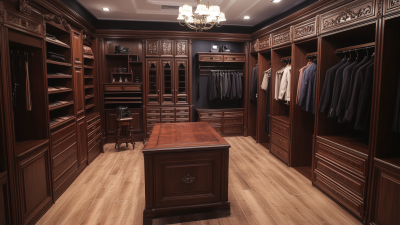
Contemporary designs usually favor clean lines, concealed handles, and flexible internal zones. A mix of open shelves and closed doors prevents the room from feeling visually heavy. Glass panels can display clothing, but they require frequent cleaning. Aluminum framing creates a lighter look, though it may feel less warm. Warm wood tones can soften an otherwise stark interior. Measure door swings, wall irregularities, and walking space before ordering. I once planned a beautiful full-height closet that reduced bedside access. It looked refined, but the layout was wrong. Leave room for changing needs, because today’s perfect storage may not fit tomorrow’s habits.

Why Choose Home Closets for Modern Living? - Which Materials and Designs Suit Contemporary Homes

Material / Finish Key Characteristics Moisture Resistance Durability Maintenance Contemporary Design Suitability Best Applications
Melamine-faced particleboard Engineered wood panel with a factory-applied decorative surface; available in solid colors, wood patterns, and textures. Moderate when edges are properly sealed; prolonged water exposure can damage the core. Good for everyday closet use; edges and hardware are the main wear points. Low; clean with a soft, lightly damp cloth and avoid abrasive products. Excellent for clean-lined, minimalist, Scandinavian, and budget-conscious interiors. Bedroom wardrobes, hallway storage, home offices, and built-in shelving.
Medium-density fiberboard (MDF) Smooth, uniform engineered panel that is easy to paint, route, and shape. Limited in standard form; moisture-resistant grades perform better in humid areas but still require sealed surfaces. Good for doors and decorative components; vulnerable to swelling if water penetrates. Low to moderate; painted surfaces may need occasional touch-ups. Excellent for matte painted finishes, fluted panels, curved details, and modern built-ins. Statement wardrobe doors, alcove closets, dressing rooms, and feature storage walls.
Plywood Layered wood panel with strong screw-holding ability and visible edge laminations. Moderate to high depending on the grade, adhesive, and edge sealing. Very good strength-to-weight ratio and reliable performance for shelves and carcasses. Low; exposed edges may require sealing or periodic refinishing. Well suited to warm minimalism, Japandi, natural modern, and open-storage designs. Heavy-use closets, adjustable shelving, utility rooms, and premium built-in cabinetry.
Solid wood Natural material with distinctive grain, variation, and the ability to be repaired or refinished. Moderate; changes in humidity can cause movement, so correct acclimatization and finishing are important. High when properly constructed and maintained. Moderate; may need polishing, oiling, or refinishing depending on the finish. Ideal for refined contemporary, transitional, rustic-modern, and biophilic interiors. Feature doors, premium dressing rooms, visible shelving, and long-term furniture-style closets.
Powder-coated steel Rigid metal material with a baked-on finish available in smooth, textured, and matte colors. High indoors; scratches or exposed edges should be repaired to limit corrosion. Very high resistance to impact, warping, and heavy use. Low; wipe with a soft cloth and non-abrasive cleaner. Strong choice for industrial, urban, monochromatic, and highly minimalist schemes. Mudrooms, utility areas, garages, loft-style bedrooms, and high-traffic storage zones.
Glass panels Transparent, translucent, or tinted panels that visually lighten closet doors. High; glass does not absorb moisture, although frames and seals still require protection. High when safety glass is used; edges and sliding hardware need careful handling. Moderate; fingerprints and dust are more visible than on opaque doors. Excellent for contemporary, luxury, compact, and light-enhancing interiors. Sliding wardrobe doors, dressing rooms, narrow bedrooms, and display-oriented storage.
Rattan or cane inserts Textured natural or synthetic woven panels that improve visual warmth and airflow. Moderate; natural fibers should be kept away from persistent dampness and direct water. Moderate; woven sections can be damaged by sharp objects or excessive impact. Moderate; dust should be removed gently with a soft brush or vacuum attachment. Suitable for organic modern, coastal, relaxed minimalist, and biophilic designs. Wardrobe door accents, ventilated linen storage, bedroom cabinetry, and open shelving.

General guidance: Actual performance depends on panel grade, edge sealing, construction quality, hardware, ventilation, and local humidity. Use safety glass for glazed closet doors and moisture-resistant construction in damp areas.

How Custom Features Support Daily Routines

Why Choose Home Closets for Modern Living?

A home closet should support routines, not simply display clothing. In daily use, custom shelves can place work shirts at eye level, while pull-out baskets keep laundry from becoming a floor-level problem. Adjustable rails also accommodate changing wardrobes, children’s growth, and seasonal storage. Small changes. Less friction.

The 2024 U.S. Houzz & Home Study collected responses from more than 30,000 homeowners and continues to show strong interest in functional home improvements. Its findings support a practical view: homeowners often invest in spaces that improve storage and everyday use. The National Association of Home Builders also identifies walk-in closets and dedicated storage as highly desired home features in buyer preference research. These reports do not guarantee happiness, though. A large closet can still fail when lighting is poor or access feels awkward.

Tips: Measure real routines before choosing features. Leave clear space for opening drawers. Use warm, even lighting near mirrors. Label seasonal bins. Keep frequently used items between waist and shoulder height.

In my experience, the most useful detail is often a modest one, such as a narrow drawer for watches or a ventilated section for shoes. Yet custom design can become excessive. Too many compartments may create visual noise and expensive unused space. Review the layout after a few weeks. Daily behavior reveals more than a showroom visit.

What to Consider When Choosing a Home Closet

Modern living makes storage a daily design decision, not a decorative afterthought. The right home closet should match your routines, room shape, and future possessions. The 2024 What Home Buyers Really Want report from the National Association of Home Builders found that 68% of buyers considered a walk-in closet desirable or essential. That figure shows demand, but it does not mean every home needs one.

Measure hanging clothes, folded items, shoes, luggage, and cleaning tools before choosing closet modules. Leave clear paths around drawers, because doors can collide in tight rooms. Adjustable shelves and double-hang rails usually adapt better than fixed compartments. Think beyond today. A child’s wardrobe, remote-work equipment, or mobility needs may change the layout. In installation reviews, one recurring mistake is planning for empty shelves instead of real belongings. Perfect storage is a myth.

Material safety also deserves attention. The U.S. Environmental Protection Agency reports that indoor pollutant levels can be two to five times higher than outdoor levels, depending on conditions. Choose low-emitting finishes, sealed edges, durable hardware, and ventilation near damp areas. Ask for formaldehyde and VOC documentation instead of accepting vague “eco-friendly” claims. Soft-close drawers are useful, but they cannot repair poor measurements. A practical closet may look less dramatic, yet it should open smoothly, stay accessible, and survive years of daily use.