Why Use Tower Clamps for Construction Projects?
Why Use Tower Clamps for Construction Projects?
A Tower Clamp is a small component with a serious structural responsibility. It connects steel tubes, braces, platforms, and temporary supports without permanent welding or drilling. On a busy construction site, that flexibility can save hours. It can also reduce unnecessary material damage.
Construction safety researcher Dr. John A. Gambatese has often emphasized that safety should be considered during planning, not after installation. His practical message is simple: “Safe construction begins before the work begins.” That principle fits Tower Clamp selection closely. Engineers must assess load direction, tube diameter, clamp capacity, corrosion resistance, and installation access. A clamp that looks strong may still fail when poorly aligned or tightened.
Experienced crews notice the details. A galvanized clamp should sit cleanly against the tube. Its bolts need proper tightening, not guesswork. Workers should inspect threads, jaws, deformation, rust, and movement before each critical use. Manufacturer instructions and project calculations remain essential.
There is no universal clamp.
That matters. Different projects create different forces, angles, weather exposure, and maintenance demands. A Tower Clamp may support a temporary handrail on one site and a braced frame on another. The appearance can be similar, but the risk profile is not.
The strongest benefit is controlled adaptability. Clamps allow adjustments as construction changes. They can also support dismantling and reuse when inspected correctly. Still, reuse is not automatically safe. Hidden wear can be difficult to see.
This guide examines why Tower Clamps remain valuable for construction projects. It also considers their limitations, selection criteria, and the installation habits that separate reliable connections from expensive mistakes.
What Tower Clamps Are and How They Support Construction Structures
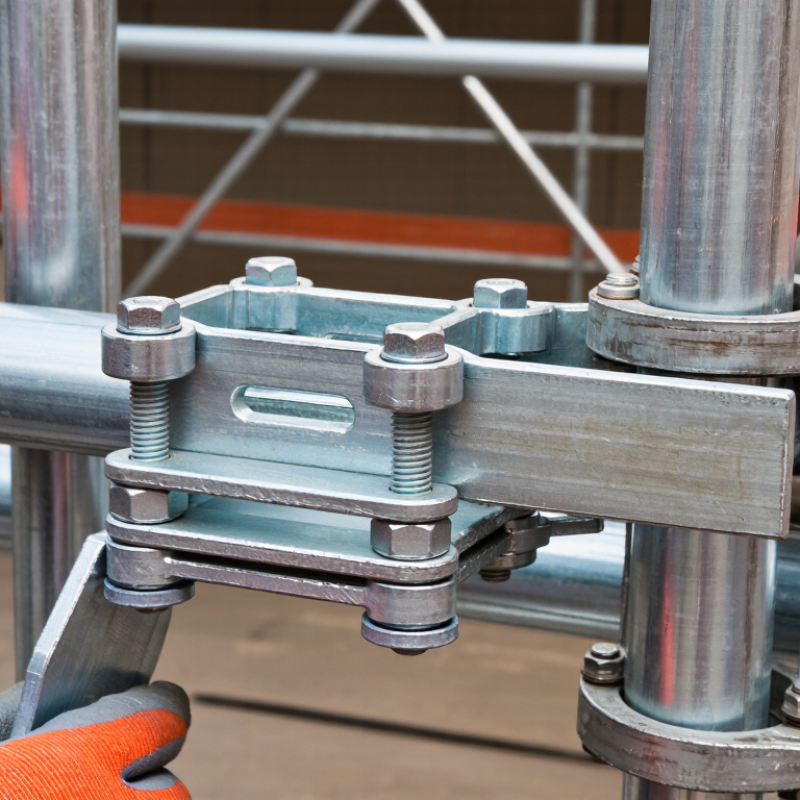
Tower clamps are mechanical connectors used to join steel tubes in temporary towers, access platforms, guardrails, and support frames. They hold tubes together without welding or drilling, allowing structures to be assembled and adjusted on site. Common types include fixed-angle clamps and swivel clamps. Fixed clamps maintain a set connection angle, while swivel clamps help create diagonal bracing.
The clamp body transfers pressure around the tube surface. Bolts then create friction between the clamp and the steel. When properly tightened, this friction helps resist slipping, twisting, and movement under working loads. In a tower frame, vertical tubes carry compression, horizontal tubes support platforms, and diagonal tubes improve stability. Every clamp contributes to that load path.
Good installation starts with a checked design and suitable tube sizes. Engineers should confirm load ratings, connection angles, base conditions, and local safety requirements. Workers should clean contact surfaces before assembly. They should also tighten bolts evenly with the specified tool, not by guesswork. A clamp can look tight and still be unsafe. Dirt, damaged threads, or worn steel may reduce its grip. Regular inspections should check for movement, corrosion, cracked components, and loose bolts. Field crews often focus on speed, but rushed checks remain a weak point. Even a strong tower design can fail when one small connection is ignored.
Why Use Tower Clamps for Construction Projects?
Tower clamps connect scaffold tubes to form stable construction towers, access platforms, temporary supports, and bracing systems. Their rigid connections help transfer vertical and horizontal forces through the structure.
Chart: The six imposed-load classes defined in EN 12811-1 for scaffold working areas, shown in kilonewtons per square metre (kN/m²). Higher classes are intended for platforms exposed to greater working loads. These values describe platform loading categories, not the capacity of an individual tower clamp; the complete structure must be designed and inspected according to applicable standards.
Key Components and Clamp Types Used in Tower Construction
Why Use Tower Clamps for Construction Projects?
Tower construction relies on secure connections between steel tubes, braces, platforms, and support frames. The clamp body, jaws, bolts, nuts, and washers work together to hold these members firmly. Base plates and anchor bolts transfer loads into the foundation. Diagonal braces control movement when wind or temporary loads affect the tower.
Several clamp types serve different connection needs. Right-angle clamps join tubes at fixed 90-degree corners. Swivel clamps connect members at changing angles, which helps with diagonal bracing. Beam clamps attach components to structural flanges without drilling. U-bolt clamps provide a simple grip around round sections. Couplers are useful for extending tubes, but their performance depends on correct alignment and tightening. A clamp may look secure and still slip. Small gaps, damaged threads, or uneven contact surfaces can create serious weaknesses. This detail is easy to underestimate.
Tips: Check each clamp for cracks, distortion, rust, and thread damage before installation. Keep contact surfaces clean and dry. Tighten fasteners according to the project specification, not guesswork. Mark inspected connections where practical. Recheck clamps after the tower experiences strong wind, vibration, or relocation. Avoid mixing incompatible tube sizes. Field teams sometimes over-tighten clamps, believing more force always means more safety. It can damage threads or deform the tube. A qualified engineer should confirm load capacity, spacing, and the final connection layout.
How Tower Clamps Improve Structural Stability and Load Management
Tower clamps connect structural tubes at controlled angles, helping create stable frames for towers, access platforms, and temporary support systems. Their value becomes clear when wind, vibration, and uneven loading affect the structure. A properly fitted clamp keeps members aligned and transfers forces through the connection instead of allowing excessive movement.
Load management starts with accurate planning. Engineers should identify vertical loads, lateral forces, connection capacity, and the condition of every tube. Clamps must match the tube diameter and be tightened according to the specified torque. Over-tightening can damage the tube. Loose fittings can permit slipping. Small errors matter.
On active construction sites, I have seen workers check connections with a calibrated torque tool before raising materials. They also mark inspected clamps, which makes later checks faster. Good practice includes examining corrosion, cracks, damaged threads, and distorted fittings. A clamp may look secure while hiding a serious weakness.
The easy mistake is treating every connection as identical. It is not. Different angles and load paths require different layouts, and temporary structures may need frequent reassessment as materials move. A carefully designed clamp system improves stability, but it cannot replace engineering judgment, clear load limits, or regular inspection. Safety depends on the whole assembly, not one fitting.
Installation Steps for Safe and Effective Tower Clamp Use
Tower clamps help connect tubes, braces, and platforms in temporary access towers. Their value depends on correct installation, not appearance.
OSHA recorded 395 fall-related deaths among 1,069 construction fatalities in 2022. That figure shows why stable tower assembly deserves careful attention. A loose clamp can shift under movement, vibration, or uneven loading.
Start by checking the clamp body, threads, bolts, and tube surfaces. Remove mud, oil, and damaged components. Confirm that the clamp matches the tube diameter and the tower system’s load requirements. Place the tower on firm, level ground before fitting clamps. Insert tubes fully into the clamp, then tighten each fastener evenly.
Use the torque value specified by the manufacturer or applicable assembly standard. Do not guess. Guessing creates hidden risk.
Install braces and guardrails according to the approved tower configuration. Check that every connection is closed and properly seated. Experienced supervisors often use a marked inspection sheet before allowing access. Recheck clamps after the first loading, strong wind, or relocation.
The UK Health and Safety Executive reports that poor planning and inadequate stability controls remain common factors in work-at-height incidents.
A final inspection should confirm plumb frames, locked wheels, secure platforms, and unobstructed access. Real sites are rarely perfect. That is where discipline matters most.