How to Choose Bathroom Cabinets for Your Project in 2026?
Choosing bathroom cabinets in 2026 is about more than matching a door finish to the tile. A cabinet must handle steam, splashes, daily use, and the awkward corners that showroom photos rarely show. “Measure the room, then choose storage that suits the way people actually use it,” says Maya Bennett, a Cabinet Bathroom design consultant. Treat that as a practical rule, not a promise that one cabinet will solve every problem. A narrow vanity may protect walking space, while deep drawers can hold towels, bottles, and a hair dryer without hiding them at the back.
This guide explains how to compare cabinet materials, construction, storage layouts, finishes, and installation needs before you buy. Look closely at the details: the clearance beside a toilet, the swing of a door, the feel of a drawer, and the edge near the sink where water may collect. Check ventilation and care instructions, too. Small details matter. A low price can be appealing, but replacement hardware or poor fit may add cost later. And even careful planning has limits; a sample may look different under warm bathroom lighting. The best choice balances durability, available space, budget, and the habits of the people using the room. It may not be perfect. It should be considered.
Define Your Bathroom Cabinet Needs and Project Requirements
Start with what the bathroom needs to hold, not with a cabinet style. Count daily-use items: towels, hair tools, cleaning supplies, and spare toiletries. A small drawer beside the sink may be more useful than deep shelves where items disappear. Measure the room, too. Record wall length, vanity depth, door swings, and the space needed to open drawers. A tape measure and a quick sketch help. The sketch may be wrong at first.
Next, note the project’s fixed constraints. Mark plumbing locations, outlets, trim, and any uneven walls. Check how much clearance remains when cabinet doors or drawers are open. In a compact bathroom, a few inches can change whether two people can move comfortably. Consider moisture exposure and ventilation when choosing finishes and construction. A cabinet near a shower faces different conditions from one in a dry powder room. Confirm dimensions with the installer before ordering; rough measurements are easy to misread.
Set a realistic budget that includes hardware, delivery, installation, and any wall repairs. Decide what matters most: accessible storage, a wider countertop, or easier cleaning. These priorities can conflict. It is tempting to plan every inch, but leaving some flexible space may suit changing routines better. Review a full-size paper template on the floor before committing. That small test can reveal an awkward drawer or a crowded walkway.
Measure the Space and Plan the Cabinet Layout
Before choosing a bathroom cabinet, measure the room at floor level, countertop height, and near the ceiling. Walls can lean slightly, so one measurement may not tell the whole story. Record the width and depth of the available area, then mark the toilet, shower, door swing, and any trim on a simple sketch. A cabinet that fits on paper can still block a drawer or narrow the walking path. Check the manufacturer’s required clearances, and leave enough room to open doors comfortably.
Locate plumbing pipes, shutoff valves, outlets, and light switches before settling on a layout. Note where the drain sits; a deep drawer may need a cutout or a different cabinet configuration. For a tight bathroom, shallow storage or drawers can keep the floor clearer than a wide hinged door. Use painter’s tape to outline the cabinet footprint on the floor. Stand in front of it. Does the door still open? Can someone pass without turning sideways? Measure twice, especially around uneven corners. It is easy to miss a few centimeters, and correcting the plan later can be frustrating. Keep the sketch and measurements together when comparing cabinet sizes.
Compare Cabinet Materials, Construction, and Durability
Bathroom cabinets face steam, splashes, and daily opening, so compare more than surface appearance. Plywood boxes usually hold screws well and resist movement better than basic particleboard. Moisture-resistant MDF can provide a smooth painted finish, but exposed edges need careful sealing. Solid wood offers a distinctive grain, yet humidity may cause it to expand or shift. No material is perfect.
Construction details often reveal how a cabinet will age. Check that corners feel rigid and joints sit flush. Drawer slides should move smoothly under load, while hinges should allow doors to close evenly. Look for sealed edges around sinks and plumbing cutouts; these spots often take the first hit from water. A thick finish helps, but it cannot compensate for poor assembly. It is easy to overlook the cabinet back, too, even though it helps keep the box square.
Tips: Ask what the cabinet box, doors, and drawer bottoms are made from. Inspect the underside of a sample door, and check whether replacement hardware is available. If your bathroom gets steamy, prioritize sealed surfaces and ventilation. Be realistic: even a durable cabinet needs prompt cleanup after leaks.
Choose Storage Features, Style, and Hardware
Choose bathroom cabinets by matching storage to the items you actually use. Measure the wall, door swing, and plumbing before selecting a cabinet. A shallow top drawer can hold toothbrushes without crowding the sink trap. Deep drawers suit towels and spare supplies, while adjustable shelves make room for taller bottles. For a shared bathroom, separate drawers can reduce morning clutter. Open shelves look airy, but they collect dust and show every bottle.
Style should work with the room’s fixed features, not just a sample photo. Compare cabinet color beside your tile and countertop in both daylight and warm evening light. A pale wood finish can soften crisp white surfaces; a painted cabinet may give a small room a clearer focal point. Still, color samples can mislead. Test the finish at home.
Hardware affects daily comfort as much as appearance. Choose pulls that are easy to grip with wet hands, and check that they clear nearby walls and doors. Knobs can suit compact doors, while longer pulls often feel practical on wide drawers. In a humid bathroom, look for durable, corrosion-resistant hardware and follow the care instructions. If several people will use the space, try the drawer action in person; a cabinet that looks right may still feel awkward.
Check Installation, Accessibility, Budget, and Maintenance Needs
How to Choose Bathroom Cabinets for Your Project in 2026?
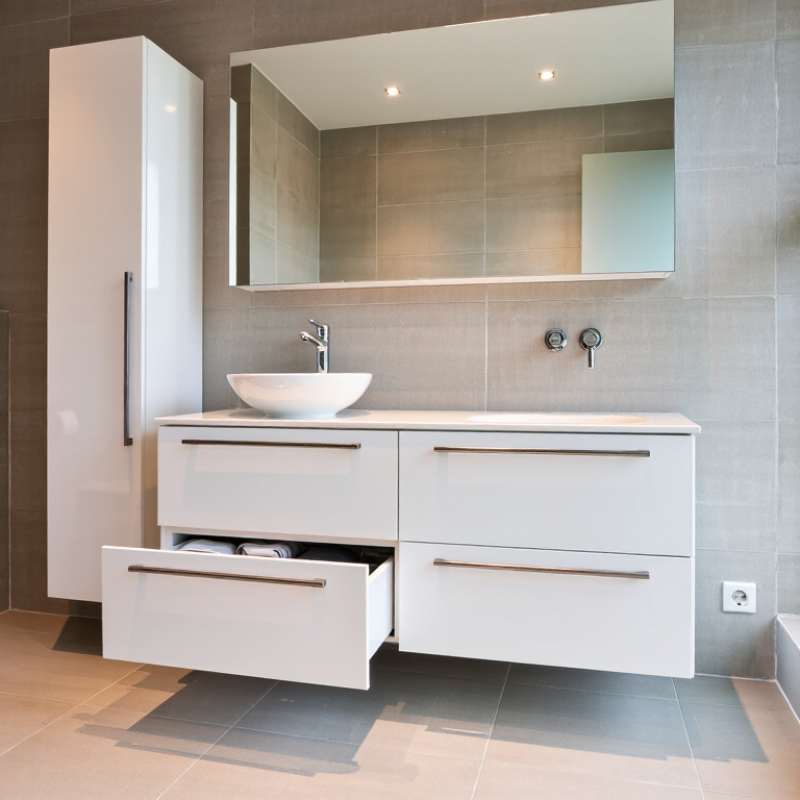
Before choosing bathroom cabinets, check the room as it is, not as the plan suggests. Measure wall width, door swing, plumbing, and the distance from the cabinet to the shower. Mark pipe outlets on a paper template; a drawer that meets a drain can become unusable. Wall-hung units may simplify floor cleaning, but they need suitable wall support and secure fixing. Small details matter.
Think about who uses the room each day. Deep drawers can make towels easier to reach than items stored at the back of a low cupboard. Confirm knee clearance and handle reach in the actual layout; dimensions alone may not tell the whole story. Set a budget that includes installation, delivery, hardware, and possible plumbing adjustments. A cheaper cabinet may cost more if it needs trimming or extra reinforcement. Measure twice.
Choose finishes to suit the bathroom’s ventilation and cleaning habits. Standing water near sink edges, damp towels, and abrasive scrubbing can wear surfaces faster than expected. Check whether shelves are removable, hinges can be replaced, and the interior is easy to wipe. Sealed edges help, but they do not make a cabinet waterproof. Perfect fit is not always the best choice if it blocks easy access to shutoff valves.