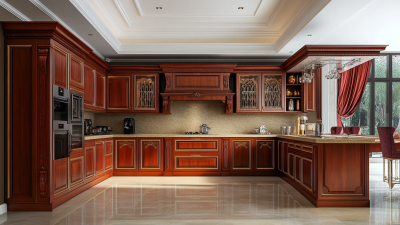
What Are the Top Kitchen Cabinet Styles for 2026?
In 2026, kitchen cabinets are doing more than storing plates. They shape how a room feels, works, and ages. Home Kitchen Cabinets are moving toward thoughtful details: warm wood grain, painted finishes, slim shaker fronts, and storage designed around daily routines. The strongest styles do not chase every trend. They make a kitchen feel personal and practical.
“Choose cabinet details you will still enjoy when the trend cycle moves on.” — Avery Cole, kitchen design consultant.
Cole’s advice offers a useful lens for this guide. Consider how a pale oak door looks beside a cool stone countertop, or how a deep green island changes the light in a small room. These details matter. So does the less glamorous side: drawer clearance, durable hinges, and whether the finish shows fingerprints. A beautiful cabinet can still frustrate you every morning.
This outline explores leading cabinet styles for 2026, from natural wood and modern shaker designs to two-tone palettes and refined flat fronts. It also considers color, hardware, materials, and storage choices, so readers can compare looks with real-world use in mind. Some predictions will age quickly. That is worth remembering. Choose a style that suits your home, budget, and habits—not a showroom photograph alone.
How Kitchen Cabinet Styles Are Defined in 2026
How Kitchen Cabinet Styles Are Defined in 2026
In 2026, cabinet style is defined by more than a door shape. Shaker, slab-front, and framed designs remain useful starting points, but proportions, finishes, hardware, and storage choices also shape the look. A narrow rail can make a Shaker door feel lighter. Matte paint softens a room, while visible wood grain adds variation. Small details matter.
Tips: View a finish beside your floor and countertop in daylight. Check door samples at eye level, not only in a showroom display. Measure drawer clearance near appliances. A beautiful handle can become irritating if it catches clothing or feels awkward to grip.
Current kitchens often mix restrained forms with warmer materials. Flat fronts may sit beside open wood shelves, or simple doors may use textured finishes. The goal is not to follow every trend. It is to choose details that suit the room’s light, daily routines, and maintenance needs. A pale finish can show marks more readily than expected. And a perfectly coordinated scheme may feel a little cold; one deliberate contrast can make it more personal.
What Are the Top Kitchen Cabinet Styles for 2026?
How Kitchen Cabinet Styles Are Defined in 2026
How to read this chart: Each bar indicates whether a feature is generally characteristic of that style (1 = yes; 0 = no). Shaker and traditional cabinets use framed doors; slab cabinets have flat, unframed fronts; beadboard cabinets are distinguished by grooved panels. This is a design-feature comparison, not a ranking or market survey.
Which Cabinet Styles Are Trending in 2026?
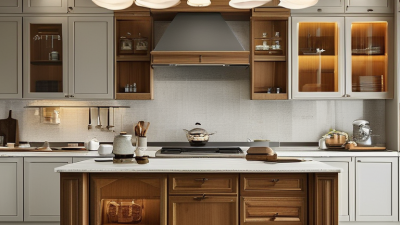
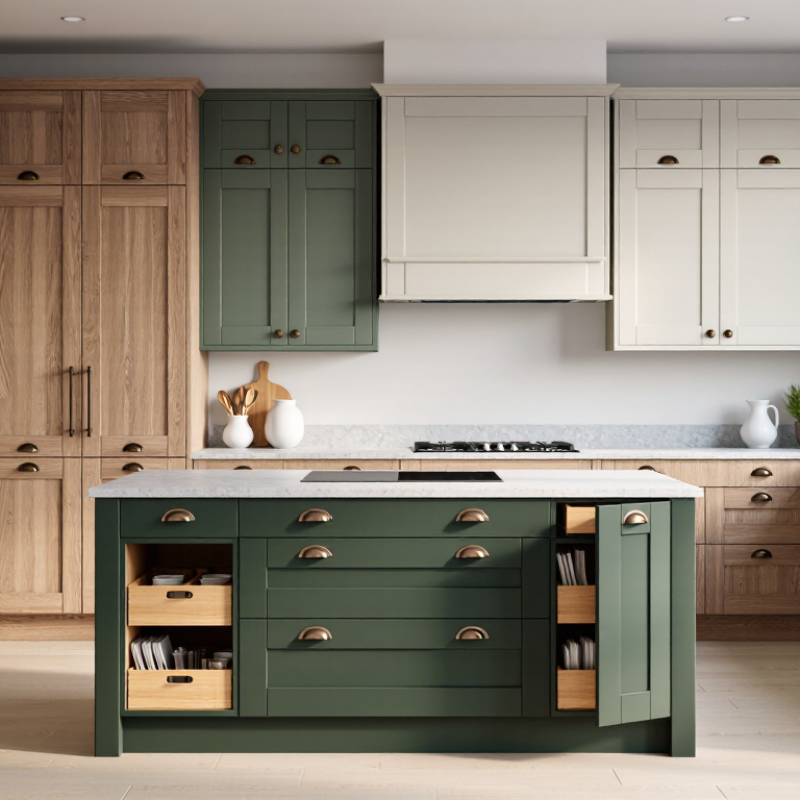
Kitchen cabinet styles in 2026 lean toward warmth, texture, and practical details rather than stark, all-white rooms. Natural oak and walnut bring visible grain to flat-panel or slim shaker doors. Muted olive, clay, and soft blue add color without making every cabinet compete for attention. Color needs daylight. In a dim kitchen, a green finish may read nearly gray, so test a sample beside the countertop and flooring.
Slim shaker cabinets remain popular because their narrow frame feels cleaner than a traditional raised panel. Handleless fronts and simple knobs also suit streamlined kitchens, but they are not equally convenient for everyone. Open a drawer with wet hands before choosing a grip style. Small details matter. A few glass-front doors can lighten a wall of cabinetry, while ribbed or reeded glass softens the view of dishes inside.
Mixed finishes are another noticeable direction: wood on an island, painted cabinets along the perimeter, or contrasting upper and lower units. The effect works best when the tones share a warm or cool undertone. Trends can look polished in photographs and feel busy in a real kitchen, especially beside patterned tile. That deserves a second look. Choose durable, easy-to-clean finishes where hands and cooking splashes are common, and let personal routines guide the final style.
How Shaker, Slab, and Traditional Cabinets Differ
What Are the Top Kitchen Cabinet Styles for 2026?
How Shaker, Slab, and Traditional Cabinets Differ
Shaker cabinets have a flat center panel framed by four simple rails. Their clean lines suit many kitchens, from warm, wood-heavy rooms to crisp spaces with pale paint. The narrow recess can collect grease and dust, so check how easily the finish can be cleaned. That small detail matters. Simple does not mean maintenance-free.
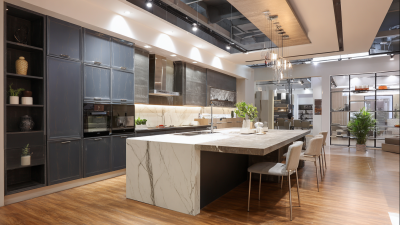
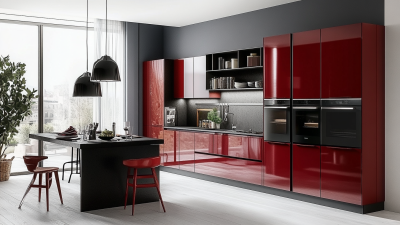
Slab cabinets have smooth, uninterrupted fronts, with no frame or panel. They can make a compact kitchen feel calmer and are easy to wipe down. But glossy surfaces may show fingerprints, while matte finishes can reveal scuffs in certain light. Handleless designs look spare, though opening them with wet hands may be less convenient. A trade-off.
Traditional cabinets often feature raised panels, molded edges, and more decorative trim. Those details can bring depth and a sense of formality, especially in larger rooms. They also create extra crevices to clean and may feel visually busy in a narrow kitchen. Materials, door thickness, and craftsmanship vary, so style alone cannot predict durability. Compare samples in your own lighting; a finish that looks soft in a showroom may appear much cooler at home.
What Are the Top Kitchen Cabinet Styles for 2026? — How Shaker, Slab, and Traditional Cabinets Differ
| Style |
Door Appearance |
Common Materials and Finish |
Cleaning and Upkeep |
Design Fit |
Key Consideration |
| Shaker |
A flat center panel framed by four simple rails and stiles; typically has clean, square lines. |
Often made with painted or stained wood, wood veneer, or engineered wood products. |
The recessed panel and frame can collect dust and grease; wipe regularly with a soft, damp cloth and dry promptly. |
Works across many settings, including transitional, farmhouse, and understated traditional kitchens. |
A versatile middle ground: more detail than a flat door, but less ornament than a traditional raised-panel design. |
| Slab |
A single flat, unframed door face with no recessed or raised panel. |
May use wood veneer, laminate, thermofoil, or painted surfaces, depending on the cabinet construction. |
The smooth face has few crevices to clean; visible fingerprints depend on the finish, color, and sheen. |
A natural fit for contemporary and minimalist interiors; can also suit other styles with suitable materials and hardware. |
The uninterrupted surface highlights alignment, finish quality, and hardware placement. |
| Traditional |
Often features raised panels, decorative molding, framed details, or shaped edges; designs vary in ornamentation. |
Commonly finished in painted or stained wood, wood veneer, or engineered wood products. |
Detailed profiles and molding can require extra attention when removing dust and cooking residue. |
Pairs naturally with classic, formal, and heritage-inspired kitchens. |
The amount of trim and panel detail affects the overall visual weight; simpler profiles can feel less formal. |
Selection note: Cabinet style describes the door’s design, not its durability or price. Construction, material, finish, hardware, and installation all influence performance and cost.
How Materials, Colors, and Finishes Shape Cabinet Style
Kitchen cabinet style in 2026 is shaped as much by touch and upkeep as by appearance. Natural wood remains appealing because its grain adds warmth, especially on flat-front or lightly detailed doors. Oak can show visible texture, while maple offers a quieter surface. Ask for a sample and view it in your kitchen; daylight and warm bulbs can make the same wood look surprisingly different.
Color changes the room’s balance. Soft greens, muted blues, and earthy neutrals bring character without making every cabinet compete for attention. In a small kitchen, a pale finish may help reflect light, but it will not fix poor lighting or a cramped layout. That distinction matters. Try samples beside your countertop and flooring, then check them morning and evening.
Finishes affect both mood and maintenance. Matte paint softens glare, though fingerprints may show on frequently touched doors. Satin finishes are easier to wipe in many households, but can highlight uneven surfaces. A clear seal can protect wood while preserving its grain; test it first, since coatings may deepen the color. Small details matter. I still find that a finish chosen from a tiny swatch can feel wrong across a full wall of cabinets, so live with a larger sample before committing.
How to Choose a Cabinet Style for Your Kitchen
Choosing a kitchen cabinet style starts with how you use the room, not a trend forecast.
Notice where cooking tools, dishes, and small appliances gather. Deep drawers can make heavy pots easier to reach, while upper cabinets may suit items used less often. Measure door swings and walkways before settling on a layout. A beautiful cabinet can still make a narrow kitchen feel cramped.
2026
For 2026, warm wood, muted colors, and simple slab or Shaker fronts are likely to remain popular choices. Match the style to your home’s architecture, but consider everyday upkeep too.
Glossy finishes show smudges under bright task lighting; textured surfaces can collect dust in grooves. Touch samples in your own kitchen, morning and evening. It helps.
Think about how the finish looks beside your flooring and countertops, not just on a screen. I would not choose a cabinet solely because it photographs well. A style can look right in a sample and feel wrong at home. Allow room for that doubt, then choose the option that suits your routines and is practical to clean.