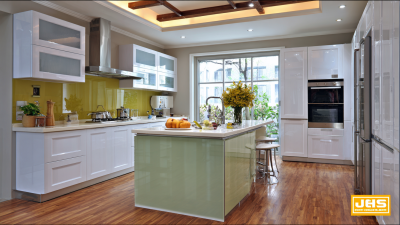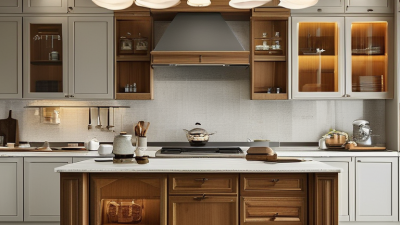

Choosing the right kitchen cabinetry involves more than comparing prices or browsing attractive photographs. China has become a major manufacturing center for Painted Kitchen Cabinets, offering broad design options, modern production equipment, and flexible order quantities. Buyers can find matte white doors, deep green finishes, shaker profiles, and custom color matching for different interior styles.
The real advantage depends on the manufacturer, not the country alone. Experienced suppliers usually provide detailed material specifications, paint samples, moisture-resistant panels, and production drawings before manufacturing begins. These details help confirm door thickness, coating type, edge treatment, hardware quality, and color consistency. Factory visits, video inspections, and independent quality checks can add useful evidence. Reliable suppliers should also explain packaging methods, lead times, replacement policies, and applicable product standards clearly.
Small details matter.
A well-painted cabinet should feel smooth, show even coverage, and resist ordinary kitchen humidity. Yet no supplier is perfect, and attractive samples may not represent every production batch. This is where careful communication becomes essential. Ask for pre-production samples, confirm acceptable color variation, and review inspection records rather than trusting promises alone. China may offer excellent value and craftsmanship, but responsible sourcing still requires patience, verification, and realistic expectations. The best Painted Kitchen Cabinets are not simply the cheapest or most fashionable. They are the result of suitable materials, controlled workmanship, transparent communication, and a supplier willing to correct mistakes when they appear.
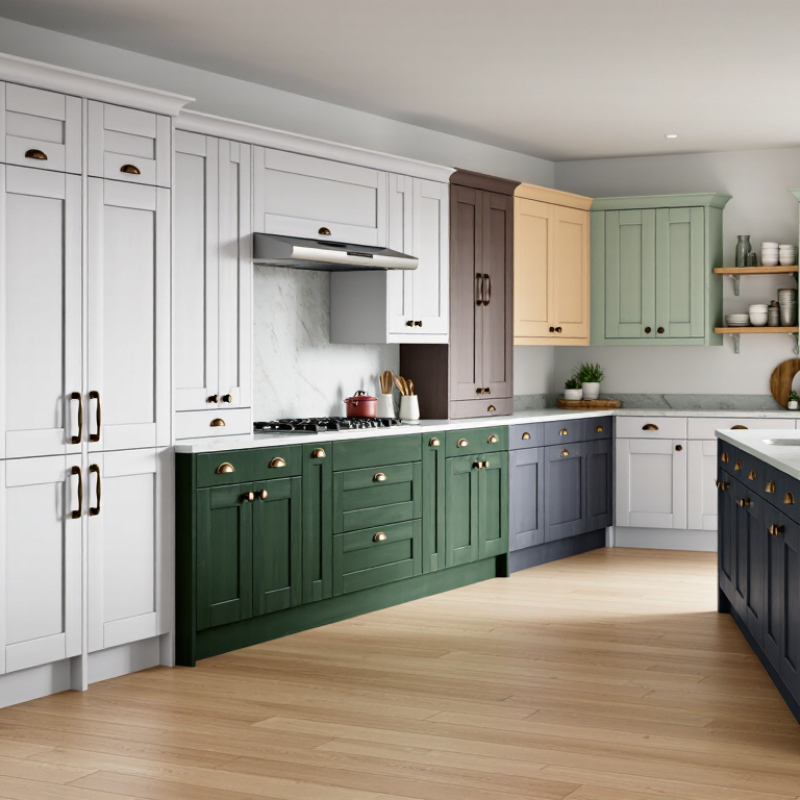
China’s best painted kitchen cabinets are not defined by country alone. They combine controlled manufacturing with careful design decisions. In practice, strong options use stable plywood or well-sealed engineered panels. Their doors feel even, not waxy or brittle. Look closely at corners. Clean edges matter.
Paint quality begins before spraying. Factories should prepare surfaces, seal exposed edges, and apply multiple thin coats in a controlled room. This reduces pinholes, uneven sheen, and early peeling. A reliable supplier can explain the paint system, curing time, and emissions documentation. Independent sample checks are still wise. Claims need evidence.
The best cabinets also fit real kitchens. Accurate measurements, adjustable hinges, soft-closing hardware, and protective packaging reduce installation problems. Ask for a full-size door sample, not only photographs.
Test it near steam, sunlight, and daily fingerprints. A glossy finish may look impressive but reveal marks quickly. Matte finishes hide some marks, yet can be harder to clean. There is no perfect choice.
I would rather accept slight color variation than ignore poor alignment or weak edge sealing. This judgment comes from handling samples, checking tolerances, and reviewing cabinet performance after installation.
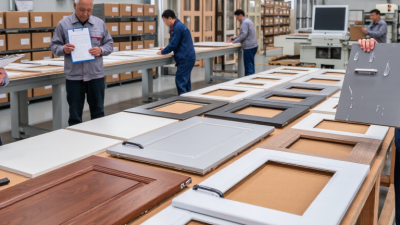
A painted kitchen cabinet is not finished in one step. In experienced Chinese factories, production usually begins with moisture-controlled MDF or plywood. Technicians inspect each board for dents, warping, and weak edges. Cutting follows approved drawings, often using CNC equipment for consistent dimensions. The exact sequence can vary by workshop and finish system.
After machining, workers seal exposed edges and sand the surfaces several times. A primer fills tiny pores and improves paint adhesion. The panels then receive several thin coats of waterborne or polyurethane-based paint. Between coats, they are dried in controlled rooms and checked under strong lighting. This reveals pinholes, dust marks, uneven gloss, or slight color differences.
Reliable factories keep batch records, material documents, and inspection reports. They also test door alignment, surface hardness, edge coverage, and packaging strength before shipment. Skilled inspectors compare samples with the approved color panel. Still, this process is not flawless. Small shade changes may appear under different lighting, especially with deep colors. Humidity can also affect drying time. Careful buyers should confirm the finish specification, paint system, inspection method, and replacement policy in writing. That practical step often matters more than attractive sample photos.
Painted kitchen cabinets made in China are judged less by appearance than by the materials beneath the surface. Experienced buyers inspect the cabinet box, door panel, and edge construction separately. Moisture-resistant MDF provides a smooth base for paint and detailed profiles. Plywood offers stronger screw holding and better stability in humid kitchens. Solid wood adds natural character, but it can expand and contract over time.
Quality also depends on the finishing process. A well-prepared panel is sanded evenly before primer is applied. Primer seals the surface and improves paint adhesion. Several thin coats usually create a more durable finish than one heavy coat. Satin finishes balance softness with easy cleaning. High-gloss surfaces reflect light beautifully, but they reveal dents and sanding marks quickly. Matt finishes look calm and modern, though fingerprints may still appear.
Edges deserve close attention. Poorly sealed edges can absorb moisture and lift after repeated cleaning. Reliable factories use controlled spraying, curing, inspection records, and consistent color checks. Buyers should request coating specifications and sample doors, not rely only on catalog images. Even careful production may show slight shade variation between batches. A flawless showroom door can hide weaknesses inside. That is why practical testing, measured expectations, and honest inspection matter more than attractive promises.
Why Choose China Best Painted Kitchen Cabinets?
Chinese kitchen cabinet manufacturers offer more than standard colors and fixed layouts. Their customization often begins with the room itself. Customers can provide wall measurements, ceiling height, window positions, and appliance locations. Factory designers then create cabinet drawings around those details.
Paint selection is highly flexible. You may request warm white, muted green, navy, or a custom color reference. Finishes can be matte, satin, or lightly textured. Door styles include shaker, slab, raised panel, and slim-frame designs. Manufacturers can also adjust panel thickness, edge shapes, and handle positions. These small changes affect both appearance and daily comfort.
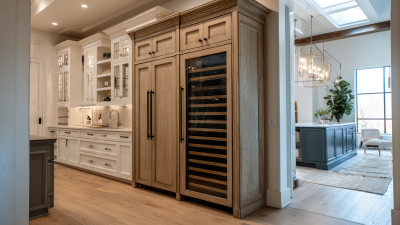
Storage can be tailored to real habits. Deep drawers may hold cookware, while narrow pull-outs can organize bottles and spices. Tall units can conceal ovens, refrigerators, or cleaning tools. Soft-close hinges, adjustable shelves, lift-up doors, and integrated lighting are common options. I have found that accurate measurements matter more than attractive renderings. A beautiful design may fail if the skirting, plumbing, or wall angle is overlooked.
Reliable suppliers usually send color chips, material samples, and technical drawings before production. Customers should check paint consistency, board materials, hardware specifications, and packaging details. A sample may still look different under home lighting. That is worth discussing early. Clear approval records also reduce misunderstandings about dimensions and finish quality. Some revisions feel inconvenient, but they can prevent expensive replacements later.
Chinese kitchen cabinet manufacturers commonly support flexible sizing for cabinet widths, heights, countertop depth, plinth height, and door thickness. These metric ranges represent typical planning dimensions and should be confirmed according to the project, appliances, and installation requirements.
Why Choose China Best Painted Kitchen Cabinets?
Buyers should evaluate suppliers beyond attractive photos and low prices. Request cabinet samples, not only digital renderings. Inspect the painted surface under direct light. Look for orange peel, uneven edges, pinholes, and color variation. Ask which board material, thickness, edge treatment, and paint system are used. A reliable supplier should explain each process clearly, including sanding, priming, curing, and final inspection. Production records and independent quality reports can also reveal whether the supplier follows consistent procedures.
Communication matters. Ask for technical drawings, a written specification, and a sample approval process. Confirm hardware brands, packaging methods, replacement policies, and production lead times. A video factory tour helps, but it is not enough. Request recent customer references where possible. I have seen buyers trust polished presentations too quickly. That mistake can become expensive.
Compare the complete cost, not just the cabinet price. A detailed quotation should separate panels, paint finishes, hardware, accessories, packaging, inspection, inland delivery, and international freight. Clarify payment stages and the delivery terms before signing. Calculate the landed cost at your warehouse. Small details matter. A thicker board may increase the initial price but reduce movement and installation problems. Conversely, an expensive finish may add little value in a rental project. I once underestimated packaging costs on a bulky order. The lesson was simple: leave room for overlooked charges and verify every assumption in writing.
| Evaluation Dimension | Practical Benchmark | Typical Cost or Lead-Time Range | What Buyers Should Verify | Why It Matters |
|---|---|---|---|---|
| Painted Door Material | Medium-density fiberboard is commonly used for painted doors because it provides a smooth, stable surface for routing and coating. | Usually 16–22 mm door thickness | Check panel density, moisture resistance, edge quality, and whether the substrate is suitable for the intended paint system. | A stable substrate reduces warping, telegraphing, and visible surface defects. |
| Paint System | Common options include water-based, acrylic, polyurethane, and UV-cured finishes. The specification should identify primer, topcoat, sheen, and curing method. | Painted doors commonly add about US$30–US$100 per square metre compared with basic melamine doors | Request a written coating specification, finish sample, color reference, and a confirmation of the number of coating and sanding stages. | Paint chemistry and preparation strongly affect color consistency, scratch resistance, and long-term appearance. |
| Surface Quality | A professional finish should have even color, consistent sheen, clean edges, and no obvious pinholes, orange peel, runs, dust particles, or polishing marks. | Sample approval is normally required before mass production | Inspect samples under daylight and angled light. Define acceptable limits for color variation and visible surface defects. | Painted surfaces can look different under different lighting conditions, so visual approval should be documented. |
| Cabinet Box Construction | Typical cabinet boxes use 16–18 mm board with edge banding or a specified joining system. | Approximately US$80–US$220 per linear metre for standard cabinet boxes before premium hardware and logistics | Confirm board thickness, back-panel construction, edge-banding material, shelf capacity, and assembly method. | The box construction affects rigidity, installation accuracy, moisture performance, and service life. |
| Hardware Specification | Soft-close hinges, drawer runners, lift systems, and pull-out mechanisms should be identified by load rating and adjustment range rather than by appearance alone. | Hardware may represent approximately 10%–30% of the cabinet package cost | Check opening cycles, load capacity, corrosion resistance, replacement availability, and compatibility with local installation practices. | Hardware is a frequent source of user complaints and can materially affect the total ownership cost. |
| Customization Capability | Suppliers should be able to produce different widths, heights, fillers, end panels, decorative doors, and appliance housing details. | Custom projects commonly require 10%–30% more than standard modular layouts | Ask for shop drawings, tolerance limits, sample corner details, and a clear process for design revisions. | Accurate customization reduces site modifications, installation delays, and unusable filler space. |
| Minimum Order Quantity | Cabinet factories often quote differently for a single project, a container load, and repeat production. | Small projects may carry a 5%–20% price premium | Confirm whether the quotation applies to one kitchen, a project batch, or a full production run. Ask about sample and tooling charges. | Order volume influences setup time, material purchasing, production efficiency, and freight allocation. |
| Production Lead Time | Lead time normally starts after drawing approval, deposit receipt, and final finish confirmation. | Samples: about 7–20 days; mass production: about 25–50 days | Separate design time, sample time, manufacturing time, inspection time, and shipping time in the purchase schedule. | A short factory lead time does not necessarily mean short delivery time if design approval or ocean freight is excluded. |
| Quality-Control Process | A structured process generally includes incoming-material inspection, first-piece approval, in-process checks, final inspection, and packaging inspection. | Independent pre-shipment inspection commonly costs about US$250–US$500 per visit, depending on scope and location | Request inspection records, defect classifications, corrective-action procedures, and photo reports tied to purchase-order numbers. | Documented inspection reduces the risk of receiving inconsistent colors, incorrect dimensions, or missing components. |
| Packaging Protection | Painted components should be individually protected against abrasion, corner impact, moisture, and movement during transit. | Protective packaging may add approximately 3%–8% to the product cost | Verify foam or corner protection, carton strength, palletization, moisture protection, labeling, and replacement-part packaging. | Good packaging protects a high-value painted surface from damage that may not be repairable at the installation site. |
| Shipping and Landed Cost | The delivered price should include product cost, inland transport, export handling, freight, insurance, destination charges, duties, taxes, and local delivery where applicable. | International logistics can add roughly 15%–35% to factory pricing, depending on route, volume, and delivery terms | Compare the same Incoterm, shipment volume, currency, validity period, and destination. Request a separate freight and duty estimate. | A low factory quotation can become expensive when freight, customs, port charges, and installation are omitted. |
| Payment Terms | A common international structure is a deposit before production followed by the balance after completion and inspection. | Often 30% deposit and 70% balance, subject to negotiation and buyer risk controls | Link the balance payment to approved drawings, inspection results, packing-list accuracy, and required export documents. | Payment milestones should protect both production continuity and buyer control over quality. |
| Compliance Documentation | Documentation may include material declarations, test reports, care instructions, packaging details, and market-specific compliance records. | Testing and documentation fees vary by product scope and destination-market requirements | Confirm which standards apply to the destination country and ensure documents match the actual materials, coatings, and hardware supplied. | Correct documentation supports customs clearance, project approval, and future warranty discussions. |
| Warranty and After-Sales Support | A useful warranty states coverage, exclusions, claim evidence, response time, replacement policy, and responsibility for shipping. | Commercial warranties commonly range from 1–5 years, depending on the component and contract | Ask whether the warranty covers paint failure, structural defects, hardware, installation errors, and color variation. | A written remedy process is more valuable than a long warranty period with unclear exclusions. |
| Total Cost Comparison | Compare equivalent specifications rather than comparing only the cabinet price. | A complete comparison should include cabinets, panels, hardware, packaging, freight, taxes, installation, and spare parts | Build a line-by-line landed-cost sheet and use the same door style, board thickness, finish, hardware level, and delivery location. | Specification-based comparison prevents an apparently cheaper quotation from hiding missing components or lower-quality finishes. |