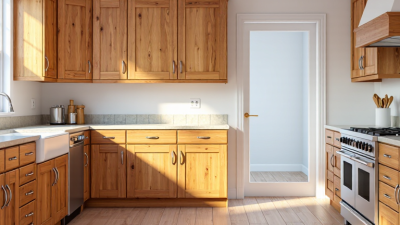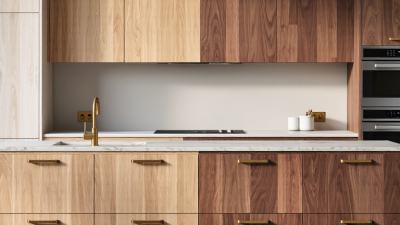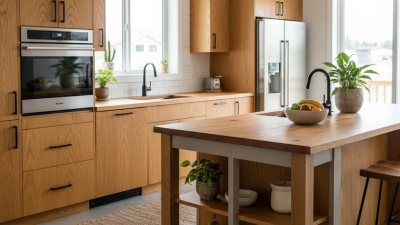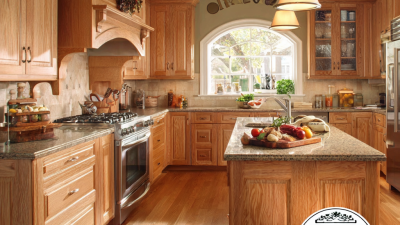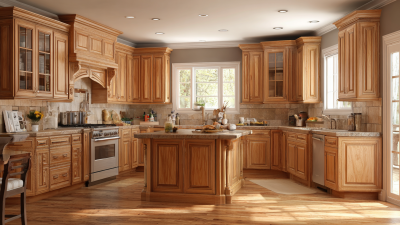

China has become a major sourcing destination for Oak Kitchen products, serving residential developers, distributors, and private-label brands worldwide. Its manufacturers offer broad capabilities, from solid oak cabinetry and oak veneer panels to custom islands, pantry units, and integrated storage. However, factory scale alone does not guarantee dependable quality.
Johnny Grey, a respected British kitchen designer, once described the kitchen as “the heart of the home.” That idea remains relevant when evaluating Chinese suppliers. An Oak Kitchen must feel warm under natural light, operate smoothly every morning, and withstand years of cleaning, cooking, and humidity. Buyers should examine timber grading, moisture control, joint construction, coating performance, and hardware durability. Factory audits matter. So do verified project references.
The strongest manufacturers usually provide detailed drawings, stable sampling procedures, and clear quality-control records. They can explain where oak is sourced and how panels are protected during shipping. Some also support low-formaldehyde materials, recyclable packaging, and recognized environmental certifications. These details may appear small, but they influence long-term value.
Still, the market is not perfectly consistent. Some impressive samples hide weaker internal materials. A beautiful door can distract from poor alignment or thin cabinet backs. That is where careful buyers must slow down. Compare specifications, not only photographs. Ask uncomfortable questions. Confirm lead times, replacement policies, and installation guidance before placing a large order.
This guide examines China’s leading Oak Kitchen manufacturers for global buyers. It focuses on craftsmanship, customization, export experience, communication, and practical reliability. The goal is not to praise every supplier. It is to identify the manufacturers most capable of turning attractive designs into dependable kitchens.
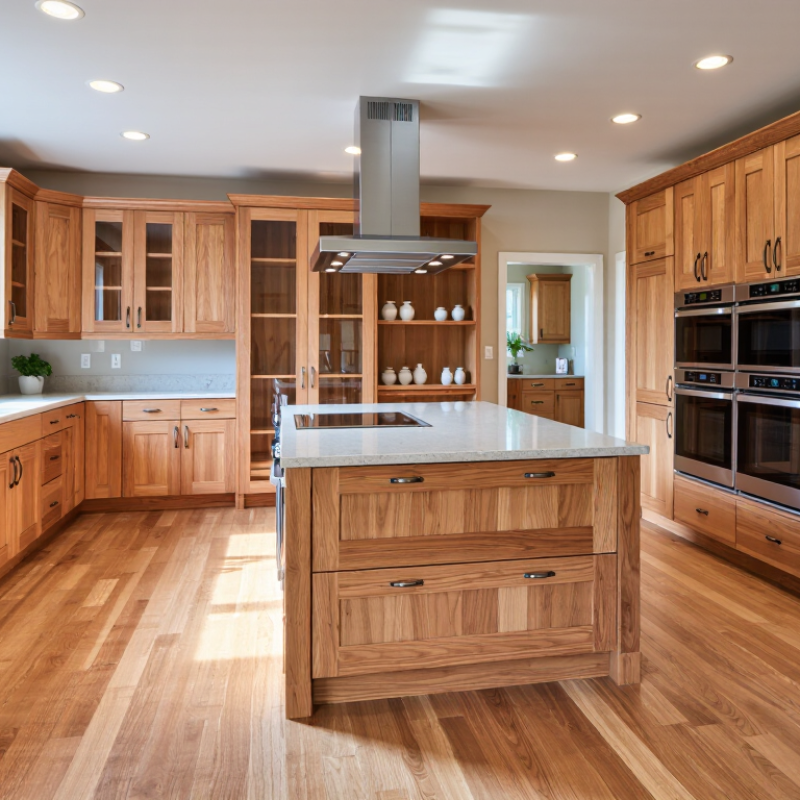
China’s oak kitchen manufacturing combines solid-wood processing, engineered panels, and large-scale export experience. According to CSIL’s World Furniture Outlook 2024, China produces about 40% of global furniture output. This scale supports competitive purchasing for oak boards, hardware, coatings, and packaging. However, oak kitchens are not automatically solid oak. Many factories use oak veneer over plywood or moisture-resistant MDF, while doors may contain laminated solid timber. Buyers should request a written material schedule.
The manufacturing process usually begins with kiln-dried oak, moisture testing, and defect grading. Factory technicians check warping, knots, color variation, and joint strength before cutting. The Forest Stewardship Council reported that certified forest areas exceeded 160 million hectares globally by 2023, but certification claims still require document verification. Ask for chain-of-custody evidence, moisture records, and sample approval. Details matter.
Quality is physical. Open a cabinet door. Feel the edge. Examine the spray finish under bright light. The World Bank reports that China remains a major participant in global manufactured-goods supply chains, yet factory performance can vary between regions and production teams. A weakness remains: visual samples may look better than bulk production. Independent inspections, approved shop drawings, and pre-shipment testing reduce that risk. Oak can move with humidity. Kitchen design must allow expansion, ventilation, and accurate installation tolerances.
This reference chart shows commonly used dimensions in European-style oak kitchen manufacturing. Base cabinet carcasses are typically about 720 mm high, while worktops are commonly around 600–650 mm deep. Actual dimensions may vary according to kitchen layout, hardware, export market, and project requirements.
Identifying a capable oak kitchen manufacturer requires more than viewing attractive photographs. Examine the factory’s experience with solid oak, oak veneer, moisture control, and cabinet construction. Ask for project references, production photos, and detailed material specifications. A reliable supplier should explain oak grades, core materials, finishes, hardware, and allowable color variation clearly. Vague answers deserve caution.
Request physical samples before approving a full order. Check the grain direction, edge treatment, coating consistency, and door alignment under natural light. Measure panel thickness yourself. Small details matter. Experienced buyers should also review kiln-drying records and moisture-test procedures, especially for humid or cold destinations. The target range may vary by component, so technical recommendations should come from qualified production staff, not only sales representatives.
Factory verification adds another layer of confidence. Review equipment, worker training, inspection checkpoints, packaging methods, and export documentation. Ask how defects are recorded and corrected. A strong manufacturer can provide a clear quality plan, realistic lead times, and traceable packing lists. Independent inspections may be worthwhile before shipment. Still, no supplier is perfect. I have seen impressive samples hide inconsistent drilling in later batches. Written tolerances, approved samples, and staged inspections reduce that risk. Communication also matters: delayed replies during sampling often become serious problems during installation.
China Top Oak Kitchen Manufacturers for Global Buyers
Major Production Regions and Factory Capabilities
China’s oak kitchen manufacturing base is concentrated in several strong production regions. Shandong supports large-scale woodworking and cabinet production, with access to inland timber-processing networks and efficient transport links. Jiangsu is known for organized furniture clusters, automated cutting lines, and stable hardware integration. Guangdong and Zhejiang often serve projects requiring refined finishing, custom sizing, and export-oriented development.
Factory capabilities vary widely. A reliable facility should show kiln-dried oak, moisture records, and clear material grading. Many factories use CNC nesting machines, edge banding systems, and drilling centers for repeatable cabinet components. Solid oak doors may receive wire brushing, staining, and multi-layer protective coatings. Veneered panels can reduce cost and movement, but their core construction needs close inspection.
Production volume alone proves little. Ask for sample joints, finish panels, packaging tests, and recent quality records. Experienced factories usually explain tolerances, hardware specifications, and replacement procedures without vague promises. Some workshops appear advanced but still rely heavily on manual sanding. That is not automatically negative, though consistency may suffer across large orders. Factory claims need checking. Independent inspections, moisture testing, and pre-shipment approval remain practical safeguards for global buyers.
Quality begins with the oak itself. Request clear photos of grain, knots, edge joints, and cabinet interiors. Ask for moisture readings between 8% and 12%, depending on the destination climate. Excess moisture can cause swelling after installation. Inspect door alignment, drawer movement, hinge strength, and finish consistency. A small sample is useful, but one sample cannot represent every production batch. That limitation deserves attention.
Certifications should match the buyer’s market and product scope. Check FSC documentation when responsible wood sourcing matters. For panels and coatings, request relevant formaldehyde tests, such as CARB Phase 2, TSCA Title VI, or applicable European requirements. Verify the certificate holder, testing laboratory, issue date, and covered materials. Do not accept a certificate image alone. Contact the issuing body when details seem unclear. Factory experience also matters. Review quality-control records, inspection photos, packaging tests, and corrective-action reports. Reliable manufacturers can explain failures, not only display successes.
Tips: Compare the same cabinet specification across suppliers. Ask for test reports tied to the exact panel and finish. Check carton strength through drop testing. Confirm whether certificates remain valid for the current factory address. Keep written approval samples. They prevent costly misunderstandings. Some buyers overlook installation conditions, which can make good cabinets perform poorly. That is a practical weakness in many evaluations.
For global buyers, choosing a Chinese oak kitchen manufacturer involves more than comparing catalog photos. OEM discussions should define wood grade, moisture content, panel construction, finish, hardware, and acceptable color variation. Request a physical sample, not only digital drawings. Oak grain changes visibly across doors. That matters.
MOQ, tooling charges, packaging standards, and lead times should appear in the quotation. Ask whether the price includes cabinetry, countertops, hardware, or only flat-packed units. A low unit price can hide sampling, edge-banding, or carton fees. Clarify payment milestones and the process for handling defects. Pricing should be compared on the same specification sheet. A useful quote lists dimensions, quantities, finish system, tests, and warranty terms. For OEM projects, confirm who owns approved drawings and whether design changes affect tooling or production time. Small revisions can become expensive.
Shipping needs equal attention. Confirm carton dimensions, gross weight, pallet treatment, container loading plans, and Incoterms in writing. Ask for photographs before sealing cartons. This simple check can reveal weak corner protection or mixed labels.
Before ordering, check destination-country requirements for timber documentation, labeling, chemical emissions, fire performance, and electrical components if included. Customs classification and duties vary by product composition and destination. Use an independent inspection before final payment when possible. Not perfect, but useful. Allow buffer time for port congestion, factory closures, and customs questions. Verify every document against the actual shipment. Assumptions are costly.