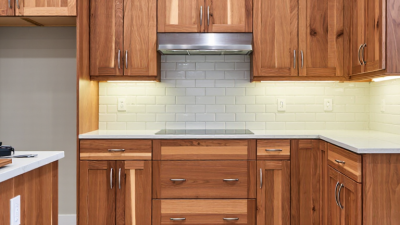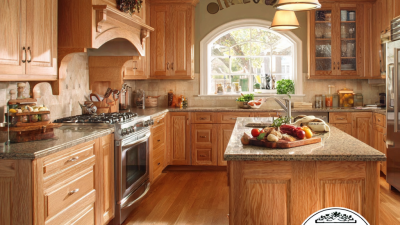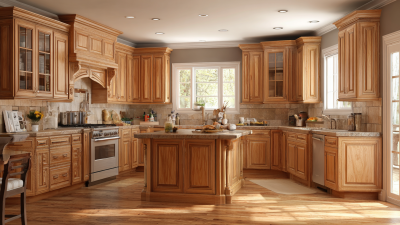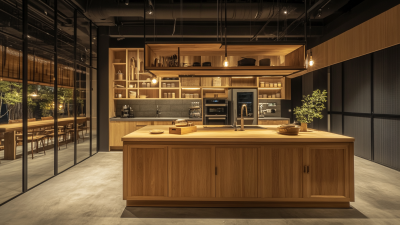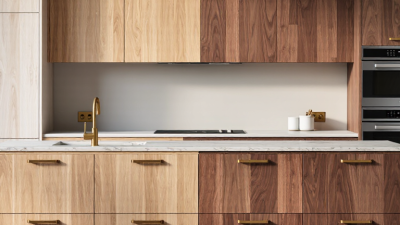

Choosing Oak Kitchen Cabinets is not simply a matter of liking warm wood tones. The right cabinets must suit your cooking habits, room size, lighting, and maintenance expectations. In a kitchen with morning sunlight, natural oak can show golden grain and subtle knots. In a darker room, a lighter stain may prevent the space from feeling heavy. These details matter.
Experienced kitchen designers usually begin with measurements, not color samples. Check wall lengths, appliance clearances, door swings, and plumbing locations before selecting cabinet styles. Oak is durable and widely available, but its open grain may collect dust around handles and raised panels. A professional finish can reduce staining, although no coating eliminates care completely. Wipe spills promptly. Small habits protect the surface.
Quality also depends on construction. Look for sturdy hardwood doors, reliable hinges, reinforced corners, and drawers that open smoothly under weight. Ask suppliers about wood sourcing, finish warranties, and replacement parts. A lower price can be attractive, yet weak hardware may create expensive frustrations later. Not every showroom sample reflects daily use. Touch the doors, inspect the joints, and request a larger finish sample before ordering.
There is no flawless cabinet choice. Oak may feel too traditional for some homes, while its natural variation can seem inconsistent. That is not necessarily a defect. It is part of real wood. This guide will help compare grain patterns, stains, layouts, construction quality, and long-term value, so the final decision feels practical rather than rushed.
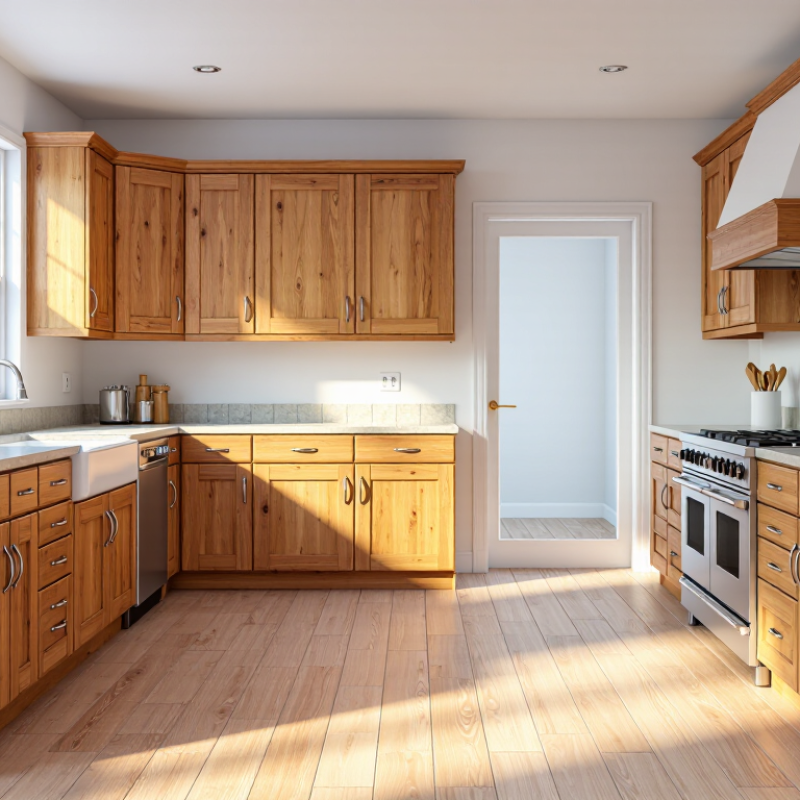
Oak Kitchen Cabinets: Grades, Styles, and Construction
Oak remains practical because its open grain hides small scratches and adds visible texture. The 2024 NKBA Kitchen Trends Report identifies natural wood tones as an active kitchen direction. That finding matters, but trends should not replace careful inspection. Bring home a door sample. View it beside flooring, worktops, and morning light.
Cabinet grades need clarification. “Select” oak usually has fewer knots and more consistent color, while “rustic” grades show knots, mineral streaks, and stronger variation. These terms are not fully standardized across suppliers. Ask for the mill’s grading definition. A polished showroom sample can mislead. Real doors may differ.
Construction affects daily performance more than appearance. Look for stable plywood cabinet boxes, solid oak frames, reinforced corners, and dovetail drawer joints. Oak veneer can be a sensible choice because it uses a thin real-wood surface over a stable core. The 2023 U.S. Houzz Kitchen Trends Study found that homeowners commonly improve storage during kitchen renovations, making drawer layout worth examining closely. Test a drawer with one hand. It should glide without wobbling. Hinges should close quietly and stay aligned.
A mistake is choosing only by color. Oak can darken slightly with light and may reveal uneven grain after finishing. That is not necessarily a defect. It may still feel wrong in your room. Consider matte finishes, narrow rails, or slab doors if the grain feels visually busy. The best decision comes from comparing construction samples, not trusting a single photograph.
| Decision Area | Option or Grade | Typical Characteristics | Advantages | Best Use |
|---|---|---|---|---|
| Wood Species | Red Oak | Open grain, prominent cathedral patterns, and warm pink, tan, or reddish undertones. | Usually widely available, durable, and often more budget-friendly than white oak. | Traditional, farmhouse, country, and warm transitional kitchens. |
| Wood Species | White Oak | More subdued grain than red oak, with tan, beige, gray, or olive undertones; quarter-sawn boards may show ray fleck. | Strong, moisture-resistant relative to many hardwoods, and well suited to natural or light finishes. | Modern, Scandinavian, contemporary, and refined transitional kitchens. |
| Appearance Grade | Clear or Select Appearance | Fewer visible knots, mineral streaks, and other natural markings; grain looks more uniform. | Creates a cleaner, more consistent visual effect. | Minimalist designs, painted finishes, and kitchens where uniformity is important. |
| Appearance Grade | Common or Natural Appearance | Visible grain variation, small knots, mineral streaks, and color differences may be present. | Shows authentic wood character and can reduce material cost. | Rustic, farmhouse, cottage, and relaxed family kitchens. |
| Door Style | Raised-Panel | A center panel sits above the surrounding frame, often with shaped edges or profiled details. | Adds depth and a classic furniture-like appearance. | Traditional and formal kitchen designs. |
| Door Style | Shaker or Recessed-Panel | A flat center panel is surrounded by a simple, straight frame. | Adaptable, easy to coordinate, and less visually heavy than ornate doors. | Transitional, modern farmhouse, and contemporary kitchens. |
| Door Style | Slab or Flat-Panel | A single flat door face with little or no framing detail. | Creates a streamlined appearance and highlights the oak grain or veneer pattern. | Contemporary and minimalist kitchens. |
| Cabinet Construction | Solid-Oak Door and Drawer Front | Oak is used for visible door frames, center panels, and/or drawer fronts; panels may be solid wood or engineered wood depending on design. | Offers authentic texture and can be repaired or refinished in many cases. | Homes prioritizing natural wood appearance and long-term serviceability. |
| Cabinet Construction | Oak Veneer Panels | A thin oak layer is bonded to a stable substrate such as plywood or medium-density fiberboard. | Provides real oak appearance with reduced movement from changes in humidity. | Large flat panels, slab doors, and areas where dimensional stability matters. |
| Cabinet Construction | Plywood Cabinet Box | Layered wood veneer sheets bonded into panels for the cabinet sides, bottom, and back. | Good screw-holding ability, strength, and resistance to splitting compared with many particleboard panels. | High-use kitchens and installations requiring durable cabinet boxes. |
| Cabinet Construction | Furniture-Board Cabinet Box | Engineered wood particles or fibers are bonded into a uniform panel, often covered with veneer or laminate. | Consistent, smooth, and often cost-effective when protected from prolonged water exposure. | Budget-conscious projects with careful moisture control. |
| Cabinet Assembly | Face-Frame Construction | A wood frame is attached to the front of the cabinet box and surrounds the doors and drawer openings. | Provides a traditional look and can add front-edge rigidity. | Traditional and transitional kitchens. |
| Cabinet Assembly | Frameless Construction | The cabinet box has no front face frame, allowing doors and drawers to cover most of the front surface. | Offers a clean appearance and slightly more accessible interior space. | Modern, European-inspired, and minimalist kitchens. |
| Finish Selection | Clear or Natural Finish | A transparent protective coating preserves the visible oak grain and natural color variation. | Makes the species and grain pattern the focal point. | Warm, organic, and nature-inspired interiors. |
| Finish Selection | Stained Finish | A pigmented product changes the wood tone while generally allowing the grain to remain visible. | Can deepen, soften, or coordinate oak with flooring, countertops, and hardware. | Most design styles, especially traditional and transitional rooms. |
| Finish Selection | Painted Finish | Opaque coating covers most of the oak color while the door profile remains visible. | Provides broad color choices, although open oak pores may remain subtly visible unless filled. | Bright, classic, or two-tone kitchens. |
Note: Oak appearance terms such as “select,” “natural,” and “rustic” are commonly used descriptively and may not represent one universal cabinet-industry grading system. Request a physical sample and confirm the exact wood, substrate, finish, and construction specifications before ordering.
Before choosing oak kitchen cabinets, measure the kitchen carefully. Record wall lengths, ceiling height, doors, windows, and appliance positions. Measure twice. A detailed layout reveals whether full-height cabinets or open space will work better. Keep at least 36 inches of walking clearance between opposing cabinet runs. Place frequently used storage near the sink, cooktop, and refrigerator. This simple work triangle still helps, although modern kitchens often have several activity zones.
Assess storage needs by listing your actual cookware, dishes, food containers, and small appliances. Deep drawers can hold heavy pans more safely than wide shelves. Oak has a visible grain and strong structure, but thick doors may feel visually heavy in a compact room. Glass-front sections or lighter finishes can reduce that effect. Leave breathing room. For example, reserve a tall cabinet for trays, cleaning tools, or an awkward appliance.
Set a cabinet budget before selecting door styles or hardware. Include installation, delivery, trim, handles, lighting changes, and possible plumbing adjustments. A realistic reserve of 10 to 20 percent can protect the project from surprises. My first renovation estimate was too optimistic because filler panels and finishing work were overlooked. That mistake changed how I review quotations. Compare construction details, finish durability, warranty terms, and installation responsibilities. Ask for written measurements and a clear payment schedule. An experienced kitchen planner should explain compromises rather than promise that every wish will fit.
Oak kitchen cabinets bring visible grain, warmth, and practical character to a home. I have found that finish selection changes their appearance more than many homeowners expect. A clear matte finish keeps the grain natural and relaxed. A satin finish reflects more light and feels easier to clean. Glossy coatings can look polished, but they may highlight fingerprints and uneven wood texture.
Color should respond to your room’s light. Honey oak adds warmth in north-facing kitchens, while pale oak can brighten smaller spaces. Medium brown stains create a grounded, traditional atmosphere. Test samples beside your flooring and countertop during morning and evening. Artificial light can change the tone dramatically. I once chose a stain from a showroom sample alone, and it looked much darker at home.
Door design also affects the kitchen’s visual weight. Shaker doors offer clean lines and suit both modern and classic interiors. Raised-panel doors feel more formal, especially with deeper stains. Flat-panel designs create a quieter, contemporary look. Consider the grain direction around each panel. Strong grain can become busy across many doors. That is not always a problem, but it deserves attention. Ask a qualified cabinet professional about moisture-resistant finishes, hinge quality, and local installation conditions before ordering. Allow room for natural wood movement. Oak is durable, but it is not completely immune to humidity, scratches, or changing light.
How to Choose Oak Kitchen Cabinets for Your Home
Oak cabinets bring visible grain, warmth, and a practical sense of durability. Their color can shift from honey to muted brown under different lighting. I recommend viewing large oak samples beside your countertop, not relying on small online images. Check them in morning, afternoon, and evening light. Small samples can mislead.
For a balanced kitchen, pair warm oak with a countertop that has gentle cream, beige, or soft gray undertones. Strong blue-gray surfaces may make the wood look orange. That contrast can work, but it needs careful testing. A lightly veined surface often supports oak without competing with its natural pattern. Matte finishes hide fingerprints better than polished ones, especially around busy preparation areas.
Hardware should connect the cabinets and countertop visually. Brushed metal can soften a rustic oak finish, while darker pulls create sharper definition. Keep the shape simple if the grain is highly active. Flooring requires equal attention. Pale wood flooring can blend too closely with the cabinets, while charcoal flooring may feel heavy. Medium natural flooring usually creates useful separation. Leave samples on the floor for at least a day. I once chose a cabinet tone that looked perfect in a showroom, yet appeared too yellow beside my home’s warm tile. The lesson was uncomfortable: design confidence should include room for revision. Also check undertones at night, when kitchen lighting can change everything.
Typical U.S. residential material cost ranges can help compare practical combinations with oak cabinets. Light countertops and medium-tone flooring create a balanced look, while darker materials produce stronger contrast. Actual prices vary by region, material grade, installation complexity, and project size.
Estimated material and installation ranges shown in USD per square foot; ranges reflect commonly reported residential market estimates for 2024–2025.
Oak cabinets reward careful comparison, not quick showroom decisions. Choose clear, straight-grained doors with consistent color and tight joints. Quarter-sawn oak costs more, but its flecked grain can resist visual monotony. Check the cabinet box, too. A durable plywood box, adjustable hinges, and a tough conversion varnish matter more than dramatic grain.
The 2024 Houzz & Home Study reported a $75,000 median spend for major U.S. kitchen renovations. That makes installation quality financially important. Walls are rarely perfectly square. Installers should level the base cabinets, leave proper filler space, and secure units into wall studs. Poor alignment can make expensive oak doors rub, sag, or reveal uneven gaps. Professional fitting is not optional for a complex layout.
Maintenance remains simple, but not careless. Wipe spills quickly with a soft, damp cloth and mild soap. Avoid abrasive pads, standing water, and household wax. Keep indoor humidity reasonably stable; repeated swelling and drying can stress joints. Oak’s visible grain hides small marks well, yet it will not hide neglect forever. Harvard’s Joint Center for Housing Studies reported $472 billion in homeowner improvement and maintenance spending in 2022, showing how much value homeowners place on durable upgrades. Still, resale value is never guaranteed. A warm honey finish may age beautifully, but personal taste can change. Test full-size samples beside your floor, counters, and daylight before ordering.