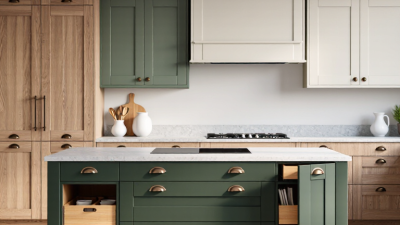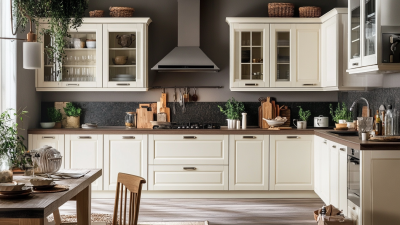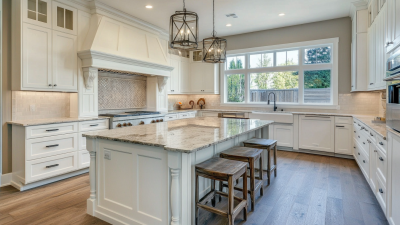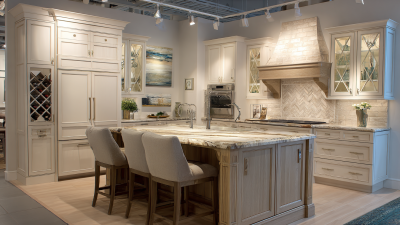

Choosing Custom White Kitchen Cabinets is less about finding one perfect shade and more about understanding how your kitchen works. White can look crisp beside a marble backsplash, warm against oak flooring, or unexpectedly stark beneath cool LED lights. There is no perfect white. Door style, cabinet construction, finish, and hardware all shape the final result. A small sample on a showroom wall may look different beside your own counters, especially when daylight shifts through the room.
Interior designer Nate Berkus has said, “Your home should tell the story of who you are, and be a collection of what you love.” That idea can guide cabinet choices without making the process feel overly precious. Consider how often you cook, where fingerprints show, and whether you prefer a soft satin finish or a brighter gloss. Ask suppliers about materials, cleaning requirements, warranty terms, and sample availability. Then compare samples at different times of day. It takes patience. Even careful planning can miss a detail, such as a cabinet door that blocks a nearby drawer. The sections ahead examine the decisions that matter, from measuring and choosing finishes to balancing style, durability, and budget. A beautiful kitchen should also feel practical on an ordinary Tuesday.
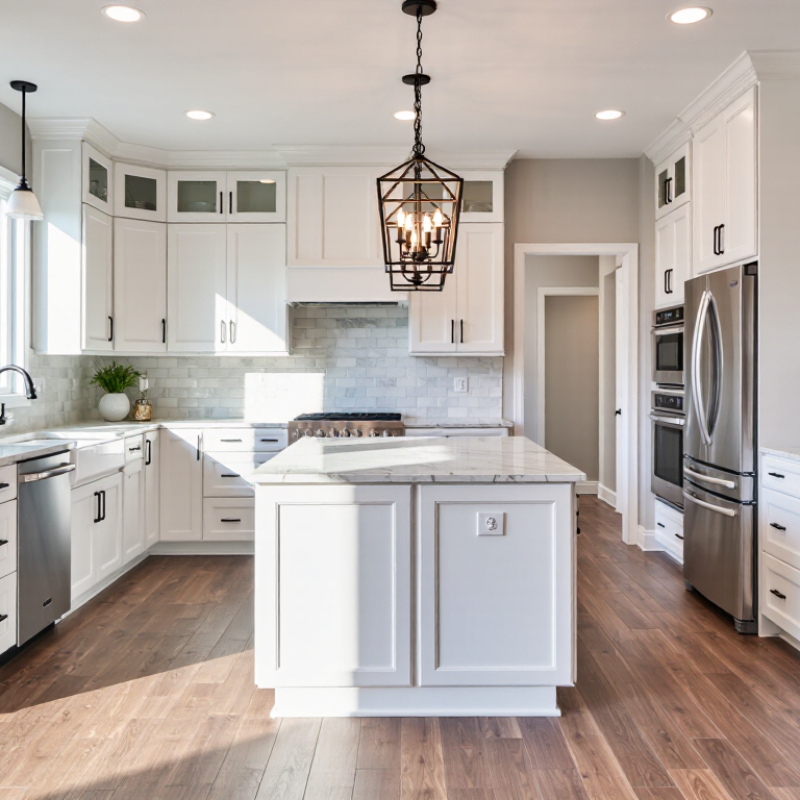
White cabinets can brighten a kitchen, but their finish cannot fix a cramped work zone. When planning a one-cook kitchen, allow a 42-inch work aisle, following NKBA guidance. Measure between opposing countertop edges, not cabinet boxes, and check the narrowest point. That detail matters. An island that looks slim on a drawing may leave too little room beside deep counters. Include handles and nearby cabinet doors in your plan. Then test the layout with appliance doors open; an oven can block the route at the busiest moment.
Tips: Mark the aisle on the floor with painter’s tape. Walk through carrying a baking tray, then open drawers and the dishwasher. Notice where your hips or elbows catch. A small adjustment now may prevent daily frustration later.
Custom white cabinetry can be tailored around the aisle rather than forcing the room to fit standard units. Consider shallower island storage or moving a cabinet run to protect the clearance. If the room cannot provide 42 inches, ask a qualified kitchen designer to review the constraints and applicable guidance before ordering. I would not assume that a visually balanced plan feels comfortable in use. Test it at full scale, especially near corners and appliance handles.
When comparing custom white kitchen cabinets, look beyond the painted surface. Ask what the cabinet boxes, doors, and drawer bottoms are made from. Plywood boxes often hold fasteners well, but exposed edges still need proper sealing. MDF doors can provide a smooth, even surface for paint. They are less forgiving of standing water. Solid wood offers natural strength, yet it can move as humidity changes. There is no perfect material. The best choice depends on the room and how you use it.
KCMA certification offers a useful way to assess cabinet construction. It indicates that cabinets have been tested against performance requirements for areas such as strength, drawer operation, and finish durability. Ask for documentation and confirm which cabinet components the certification covers. A certificate is helpful, not a promise that every finish or installation detail will suit your kitchen. Check the warranty and care instructions, too.
Look closely at corners, shelf supports, drawer joints, and the finish near sink-side edges. Ask how white paint will be repaired if it chips. Bring home a sample and view it beside your countertop in morning and evening light. Small details matter. I would not choose on material labels alone; construction quality and careful installation can change the result, and that part is easy to underestimate.
How to Choose Custom White Kitchen Cabinets?
Choose white cabinet doors after studying the light in your kitchen. North-facing rooms often make cool whites look gray, while warm evening bulbs can turn creamy finishes yellow. Check large samples near a window and under your usual lights. Look at them morning and night. Small paint chips can mislead.
Door style affects both appearance and upkeep. Shaker doors suit many kitchens, but their recessed edges collect crumbs and grease. Flat-front doors are easier to wipe, though fingerprints may show more clearly on glossy finishes. Matte finishes soften glare and hide minor smudges, but some marks need extra effort to remove. Ask how the finish handles routine cleaning, and follow its care instructions. The “perfect white” may still look different beside your countertop. That is worth considering.
Tips: Use a soft cloth and mild, finish-safe cleaner. Avoid abrasive pads. Test cleaners on an inconspicuous spot first. Before ordering, view door samples beside flooring and counters, then check them in daylight and at night. A little extra checking helps; I’d still expect the color to shift slightly as the room changes.
Typical 60° gloss ranges, measured in gloss units (GU). Finish names and ranges vary by product; use these as a general comparison, not a specification.
How to use this chart: Higher-sheen finishes tend to reflect more light, which can brighten a room, while also making surface flaws and fingerprints more noticeable. Smoother finishes are often easier to wipe, but cleanability depends on the coating and care instructions. For low-light kitchens, consider a brighter white and test a finish sample under your actual lighting.
Custom white cabinets should fit the room before their finish is chosen. Common U.S. base-box dimensions are 34.5 inches high and 24 inches deep, before countertop installation. Houzz’s 2024 U.S. Kitchen Trends Study found white was the most-selected cabinet color, at 40% of renovated kitchens. That popularity makes careful sizing especially useful: white fronts can make uneven gaps and misaligned doors easy to notice.
Measure from the finished floor, not the subfloor. A sloping floor can make identical boxes appear uneven, so check level at several points. Confirm whether the quoted 34.5-inch height includes adjustable legs or a separate toe kick. It often does not. Depth also needs a clear definition: the 24-inch figure generally describes the cabinet box, while doors and handles may extend farther. Check appliance specifications and countertop overhangs before approving drawings. Small differences matter.
NKBA kitchen-planning guidance treats clearances and appliance access as core layout considerations. Test the proposed cabinet run against the refrigerator, range, and dishwasher—not just the wall dimensions. A dishwasher door needs room to open, and a deep handle can narrow a walkway. I would still request a measured drawing. Paper plans can miss an out-of-square corner. Ask for a finish sample, too; daylight and warm bulbs can make the same white look noticeably different.
How to Choose Custom White Kitchen Cabinets?
Review KCMA A161.1 Finish-Performance Tests Before Ordering
White cabinets make finish flaws easy to spot. Before ordering, ask the cabinet maker for documentation showing whether the proposed cabinets were tested to the current KCMA A161.1 standard. The standard includes finish-performance testing against specified household substances. This can help you judge how a finish may handle everyday spills and cleaning, rather than relying on a showroom sample alone. Ask which finish and cabinet configuration the test covered. A result for one coating may not apply to a different paint, sheen, or substrate.
Read the details. Look for the tested substances, test method, and pass criteria, and ask how results relate to your chosen finish. A small painted sample can also help you inspect color, texture, and edge coverage in your own lighting. It is not a substitute for test documentation, though. White can reveal uneven sheen near a window or beneath under-cabinet lights. That matters.
A standard test is useful evidence, not a guarantee against every kitchen mishap. It may not predict years of sunlight exposure, harsh cleaning habits, or damage from a chipped edge. Ask what routine cleaning the finish permits, and whether touch-up material is available. I would also check a door’s corners and drilled hinge areas; these spots can be less forgiving than a flat sample. The paperwork helps, but careful questions still matter.
| Finish-performance area | What the evaluation addresses | Why it matters for white cabinets | What to verify before ordering |
|---|---|---|---|
| Household chemical resistance | Resistance of the cabinet finish to specified household substances under the test conditions in the applicable KCMA A161.1 edition. | Kitchen surfaces can encounter food, beverages, cleaners, and other common household products. White finishes may make discoloration or surface damage easier to notice. | Ask whether the exact door finish and color being ordered are covered by the manufacturer’s applicable KCMA A161.1 test documentation. |
| Detergent resistance | How the finished surface withstands exposure to a specified detergent solution and test procedure. | Routine cleaning can affect sheen, color, or surface integrity if the finish is not suitable for the cleaning products used. | Request the recommended cleaning method and confirm that the tested finish corresponds to the selected cabinet construction and finish system. |
| Hot and cold cycling | Resistance to the temperature changes and cycling conditions specified by the standard. | Cabinets near ovens, dishwashers, exterior walls, or other sources of temperature variation may experience changing conditions. | Ask for documentation showing compliance with the applicable edition of A161.1; do not assume this test guarantees suitability for every location or installation condition. |
| Finish appearance and surface condition | Assessment of the finish for the defects and acceptance criteria defined by the applicable test requirements. | Uniform color and sheen are important across white doors, drawer fronts, and exposed cabinet panels. | Review a physical sample in the intended lighting and ask how the supplier handles color or sheen variation between components and production batches. |
| Standard edition and test scope | KCMA A161.1 is a cabinet performance standard; its requirements and test procedures should be checked against the edition cited in the certification or test documentation. | A general claim of “KCMA compliant” may not answer whether the specific finish, color, or cabinet configuration you are buying was included in the evaluation. | Request the applicable standard edition, the scope of the documentation, and confirmation that the ordered product is covered. Verify current requirements with KCMA or the testing organization. |
| Items to confirm separately | Color stability over time, UV exposure, long-term yellowing, and cleaning-product compatibility may require additional product-specific information beyond a general standards claim. | White finishes can change in appearance depending on lighting, exposure, materials, and care practices. | Ask for separate warranty terms, care instructions, and any available color-stability information. Compare samples under the lighting conditions where the cabinets will be installed. |
Buyer’s note: Request written, product-specific documentation rather than relying on a general marketing statement. Test procedures and acceptance criteria can depend on the applicable standard edition; confirm details with the manufacturer, KCMA, or the testing organization.