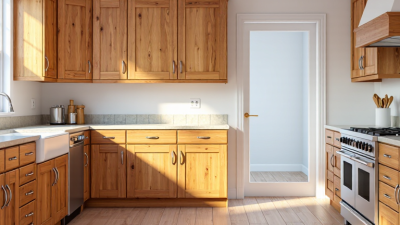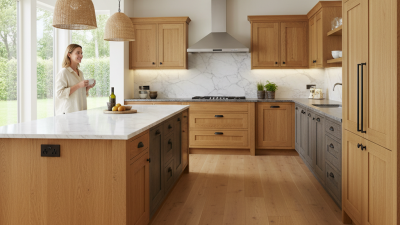

What Are the Top Types of Oak Kitchen Cabinets?

Oak remains a dependable choice for kitchens because it combines visible grain, useful strength, and broad finish options. But “oak cabinets” describes more than one look. Red oak often shows warmer tones and pronounced grain, while white oak can appear calmer and more muted. The cut matters, too. Plain-sawn, quarter-sawn, and rift-sawn boards create noticeably different patterns across cabinet doors.

The grain matters. So does the light.

For a transparent expert-style perspective, this introduction uses a fictional cabinet designer, Daniel Mercer; the following quote is illustrative, not a real interview: “Choose the oak grain and finish together, because the same wood can feel rustic, quiet, or distinctly modern.” That principle helps shoppers compare samples in the room where the cabinets will be installed. A small swatch under showroom lighting may look different beside a sunny window or warm countertop.

This guide explores the top Oak Kitchen cabinet types, from red and white oak to distinctive sawn patterns and popular finishes. It also considers door styles, color, maintenance, and how oak pairs with stone, tile, and hardware. These details matter. They affect the kitchen’s overall balance and daily feel. No single option suits every home, and oak can look too busy when grain, flooring, and counters compete. Comparing full-size samples is a practical step before choosing. A little hesitation is useful. It can reveal which details deserve another look.
What Are the Top Types of Oak Kitchen Cabinets?

Red Oak Kitchen Cabinets: Grain, Color, and Characteristics

What Are the Top Types of Oak Kitchen Cabinets?

Red Oak Kitchen Cabinets: Grain, Color, and Characteristics

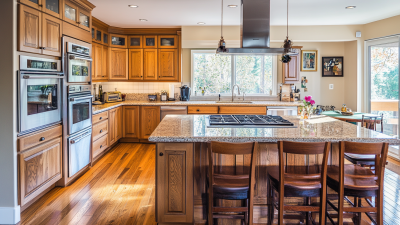
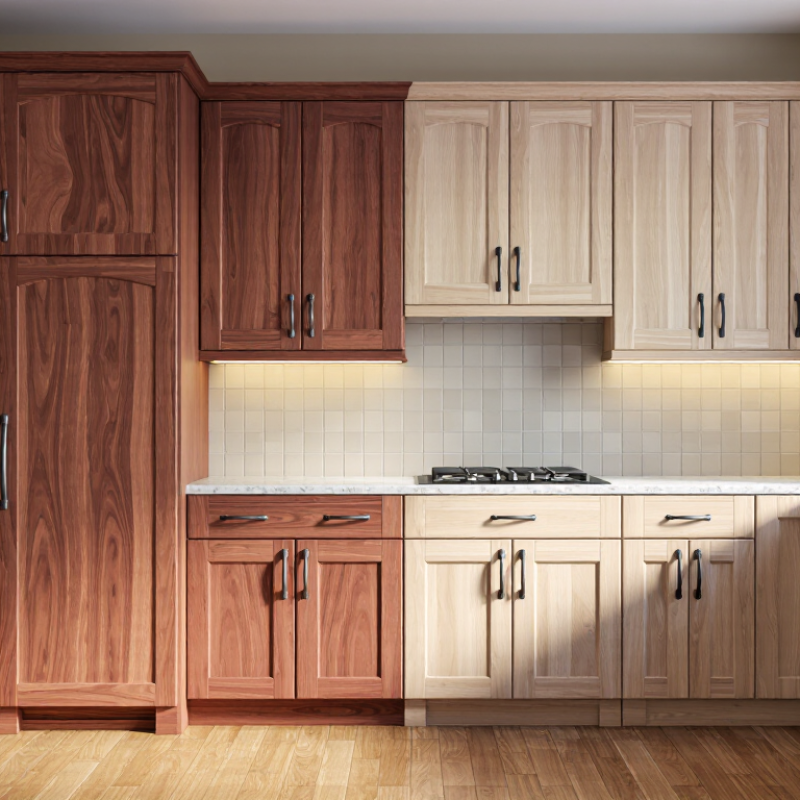
Red oak is known for its open, lively grain, which often forms sweeping lines and small cathedral-shaped patterns across cabinet doors. Its natural color ranges from pale pinkish tan to warm reddish brown, though the exact shade varies by board. In a kitchen, this variation gives cabinets a visible, natural character rather than a perfectly uniform look. The grain is noticeable. That can be appealing, but it may feel busy beside strongly patterned counters or floors.

Red oak is a durable hardwood, making it a practical choice for cabinet doors and drawer fronts that see daily use. Its pores can absorb stain unevenly, so samples matter: the same finish may look lighter or warmer on different pieces. Clear finishes preserve more of the wood’s natural variation, while medium brown stains can soften its pink undertones. I’ve found that lighting changes the impression, too; a sample that looks calm in a showroom may read more orange under warm kitchen bulbs. It is worth checking before committing.

Tips: View a finished sample beside your countertop and flooring, both in daylight and evening light. Ask how the wood will be sealed, and expect natural grain differences from door to door.

White Oak Kitchen Cabinets: Grain, Color, and Characteristics

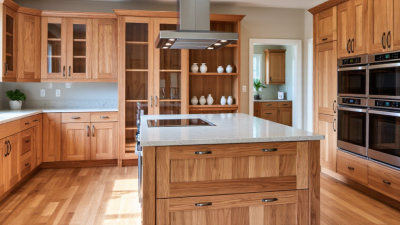
White oak is recognized by its open, ring-porous grain: large earlywood pores form visible bands across each board. Plain-sawn doors often show soft cathedral arches, while quarter-sawn pieces reveal straighter lines and occasional silvery ray flecks. Subtle, not uniform. Color usually ranges from pale straw to light brown, but boards can vary within one kitchen. Clear finishes deepen the warmth; sunlight may shift the tone over time. A sample helps, though it cannot represent every door.

The USDA Forest Products Laboratory’s Wood Handbook lists white oak at about 0.68 specific gravity, a technical measure of wood density. That density helps explain its substantial feel and good resistance to everyday wear. White oak also has tyloses that block many vessels, but this does not make cabinet doors waterproof. Wipe spills promptly, especially near sinks. Grain texture can hold a little more finish than expected, and heavy staining may emphasize pore lines rather than hide them. That can look striking—or busier than planned. White oak suits both restrained, flat-front designs and detailed shaker doors, provided the finish and grain cut are chosen deliberately.

Rift-Sawn and Quarter-Sawn Oak Cabinet Styles

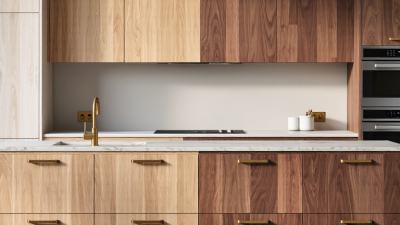
Rift-sawn and quarter-sawn oak are valued for the way their grain shapes a kitchen. Rift-sawn boards show narrow, mostly straight lines, creating a calm, tailored look across cabinet doors. They suit simple panel designs, where busy details might compete with the wood. Quarter-sawn oak has straighter grain too, but often displays small, shimmering flecks called medullary rays. These marks add visible character, especially on larger door panels. The pattern varies from board to board; samples help set realistic expectations.

Both cuts are durable oak options, but their appearance changes with stain, lighting, and finish. A clear or lightly tinted finish keeps the grain easy to read, while darker stains can soften the contrast. Check samples beside your flooring and countertop, not just under showroom lights. I’d avoid demanding perfectly matched doors; that can make natural wood feel oddly uniform. And even careful selection has limits.

Tips: View several full-size door samples in your kitchen’s daylight. Ask how the finish may deepen over time. For a quieter look, use rift-sawn oak on broad cabinet fronts; choose quarter-sawn oak when you want subtle flecks to catch the eye.

Natural, Stained, and Painted Oak Cabinet Finishes

Natural oak cabinets let the wood’s grain take the lead. A clear finish protects the surface while keeping its color visible, though the final tone depends on the oak species and coating. White oak often reads more muted; red oak can show warmer, pinkish notes. Look closely at a sample in your kitchen’s daylight and evening lighting. Small boards can look different beside a full run of cabinets. That matters.

Stained oak offers more control over color without completely hiding the grain. Light stains keep the room feeling open, while deeper brown tones add contrast and make the grain more pronounced. Stain can appear uneven if preparation varies, so samples should be made on the same oak and finished with the intended topcoat. Painted oak creates a quieter, more uniform look, but its texture may still show through. Oak has open pores, and paint alone does not always create a glass-smooth surface; filling and careful sanding help. There is a trade-off. Painted finishes can also reveal chips more clearly, while natural and stained surfaces may show scratches differently. None is maintenance-free, despite how a sample may look. Choose by considering the grain, the light, and the daily wear your kitchen actually sees.

Comparing Oak Cabinet Types for Kitchen Design and Durability

Red oak and white oak offer different looks and performance for kitchen cabinets. Red oak has a warm, sometimes pinkish cast and a pronounced, open grain. Its strong grain remains visible under many stains, giving doors a lively, traditional appearance. Both are sturdy. Red oak is often a practical choice for busy kitchens, though its prominent pattern may feel visually bold across a large run of cabinets. A lighter finish can soften the effect, but it will not hide the grain.

White oak usually has a more subdued grain, with tan, beige, or brown tones that suit both contemporary and classic designs. Its pore structure makes it more resistant to moisture than red oak, but it is not waterproof. Spills still need prompt attention, and finish quality matters. Quarter-sawn white oak adds distinctive ray-like flecks and can be more dimensionally stable, though it may cost more. Cabinet durability also depends on joinery, installation, and care—not wood species alone. I would compare actual door samples in the kitchen’s lighting; screen images can misrepresent both color and grain.

What Are the Top Types of Oak Kitchen Cabinets? — Comparing Oak Cabinet Types for Kitchen Design and Durability
Oak cabinet type Typical appearance Wood hardness Moisture considerations Durability and care Design fit
Red oak Warm tan to reddish-brown tones with a prominent, open grain pattern. About 1,290 lbf on the Janka scale. Requires a sound finish and prompt cleanup of standing water; it is not waterproof. Hard, durable hardwood suitable for everyday cabinet use. Its open grain may show more texture beneath some finishes. A classic choice for traditional, farmhouse, and natural wood kitchens.
White oak Light tan to medium brown, often with a more subdued brown or olive cast and visible grain. About 1,360 lbf on the Janka scale. Its heartwood generally resists moisture penetration better than red oak heartwood, but cabinets still need a protective finish. Hard and wear-resistant. Clean with a soft, damp cloth and avoid prolonged exposure to moisture. Works well in contemporary, transitional, and traditional kitchens.
Quarter-sawn white oak A white-oak cut with straighter grain and distinctive ray fleck patterns, especially visible on broad surfaces. About 1,360 lbf; the cutting pattern does not change the species’ Janka rating. Shares white oak’s general moisture characteristics; finish quality and installation conditions remain important. Offers white oak’s hardness and durability. The distinctive grain is a natural variation, not a separate wood species. Popular for refined, Arts and Crafts-inspired, and contemporary designs.
Rift-sawn white oak White oak cut to emphasize a consistent, straight grain with less visible ray fleck than quarter-sawn boards. About 1,360 lbf; hardness is that of white oak. Needs the same sealed, well-maintained surface as other white-oak cabinetry. Provides the durability of white oak; the rift-sawn designation describes the milling pattern, not a different durability class. Suited to minimalist and modern kitchens where a uniform grain is desired.
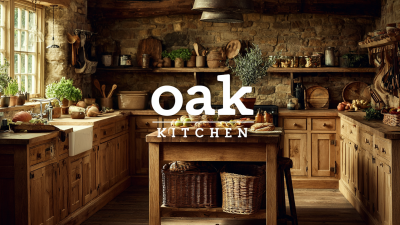
Reclaimed oak May show aged color, nail holes, saw marks, or other character; appearance varies with the wood’s source and history. Varies by species and piece. Reclaimed oak may be red oak, white oak, or another oak; hardness cannot be assumed from the reclaimed label. Moisture performance depends on species, prior condition, preparation, and finish. Ask how the material was inspected and dried. Can be durable when properly assessed and fabricated. Existing wear and repairs are part of its variable character. Ideal for rustic, vintage, and character-rich kitchen designs.

Janka figures are approximate hardness values for the named species, not ratings of a finished cabinet. Actual cabinet durability also depends on construction, finish, hardware, installation, and care. Quarter-sawn and rift-sawn describe milling methods rather than separate oak species.